Portrait of a Man by Corneille de Lyon
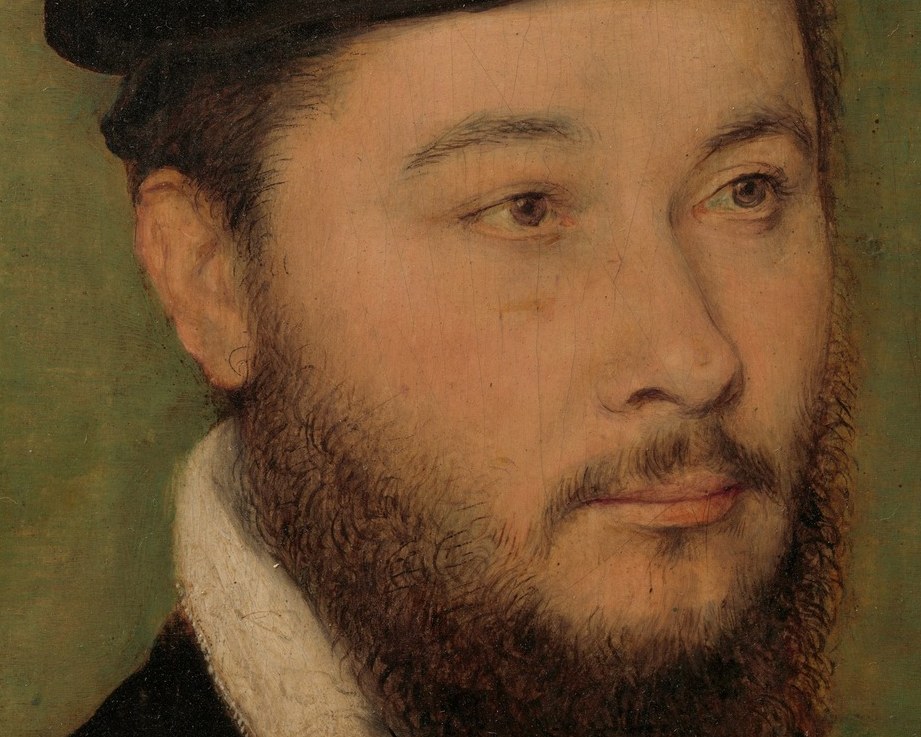
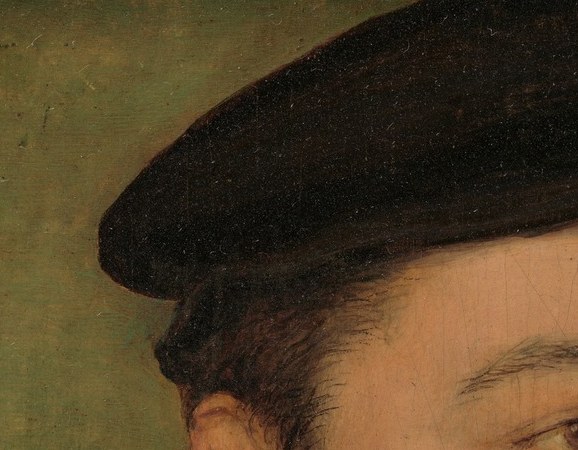
Corneille de Lyon’s Portrait of a Man, painted in 1540 and held at The Metropolitan Museum of Art, exemplifies the refined and intimate portraiture of the French Renaissance. This painting showcases the artist's masterful use of light and shadow.
Look closely at the man's face, particularly the subtle modeling of his features. De Lyon's technique of soft, diffused lighting creates a sense of psychological depth, making the figure seem to emerge from the uniform dark green background. The textures of his skin and beard are rendered with remarkable precision.
Originally Dutch, Corneille de Lyon became a highly sought-after court painter in Lyon, France. He specialized in these small, half-length portraits, which blended Dutch precision with a French courtly sensibility, influencing the development of French portrait tradition.
The artist's ability to capture such a thoughtful demeanor with restrained elegance is truly remarkable. What do you notice first about him?
Details
Transcript
This painter was a master of subtle observation. He created portraits that felt immediate, intimate. Notice the soft, diffused light on his face. This technique makes his features emerge from the dark. He was Dutch, but became a prominent court painter in France. His name was Corneille de Lyon, active from 1533.