Allegory of Lyric Poetry by François Boucher
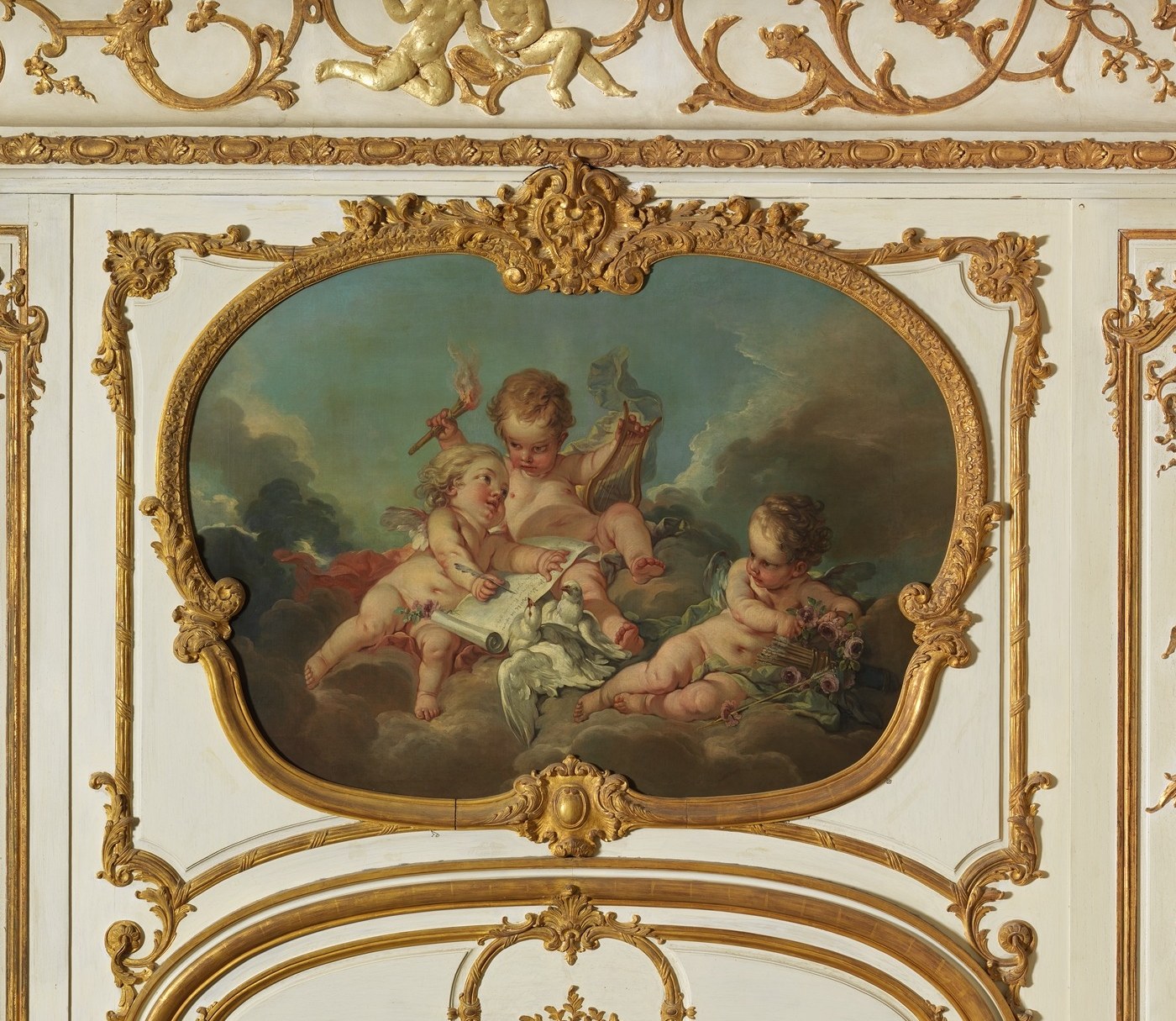
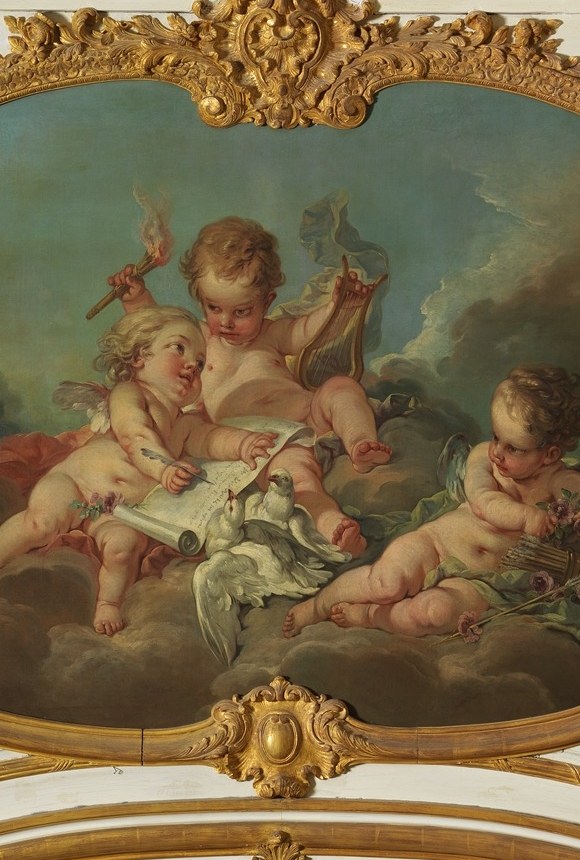
Allegory of Lyric Poetry is not an easel painting in a decorative frame. The gilded cartouche, the acanthus crest, the pilasters on either side, the whole thing is one continuous painted surface. François Boucher created it in 1753 as a boiserie panel, designed to be set directly into the paneled wall of a grand Paris interior.
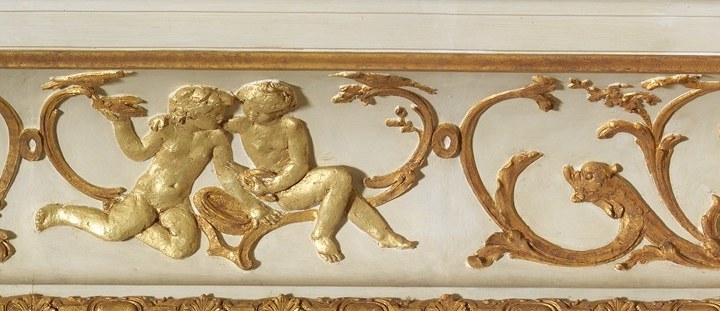
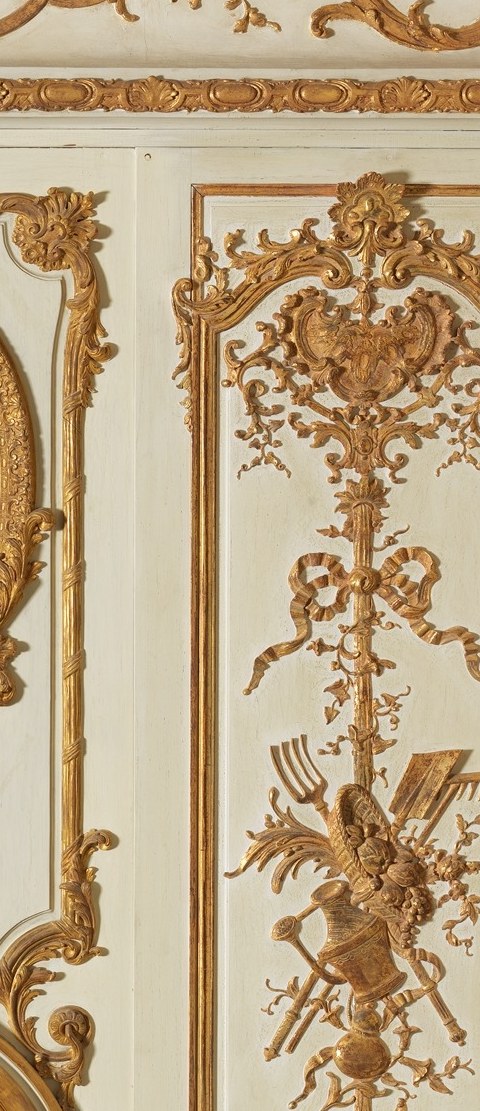
Look at the frame ornaments: the floral festoons on the left pilaster echo the flower garland beneath the putti. The ribbon-and-instrument trophy on the right specifically mirrors the lyre and flute inside the painted scene. The room and the canvas were programmed together, a unified decorative scheme for a single wealthy patron.
That patron was likely a royal financier under Louis XV. Boucher was the most celebrated decorative artist of mid-18th-century France, and panels like this one turned aristocratic salons into continuous fantasy landscapes of pink cloud, plump cherubs, and allegorical sweetness.
In the 1930s, the panel was cut from its original wall, removed from France, and smuggled into the United States. The Metropolitan Museum of Art acquired it and today preserves not just a painting but an orphaned piece of a lost Louis XV interior, a crime that became a gift to the public.
Details

Transcript
It looks like a painting in a frame. But the frame is part of the painting. This is a slice of an actual wall. Boucher painted it for the Paris townhouse of a royal financier. In the 1930s, it was hacked out of the wall. Smuggled past customs and shipped to New York. Now the Met keeps the whole room alive.