Twelfth Night by Jan Steen
Jan Steen's Twelfth Night (1660) captures the chaos of Epiphany, the traditional Dutch feast marking the end of Christmas. In Holland, a messy, noisy home is still called 'een huishouden van Jan Steen,' a Jan Steen household. The painting hangs at the Los Angeles County Museum of Art.
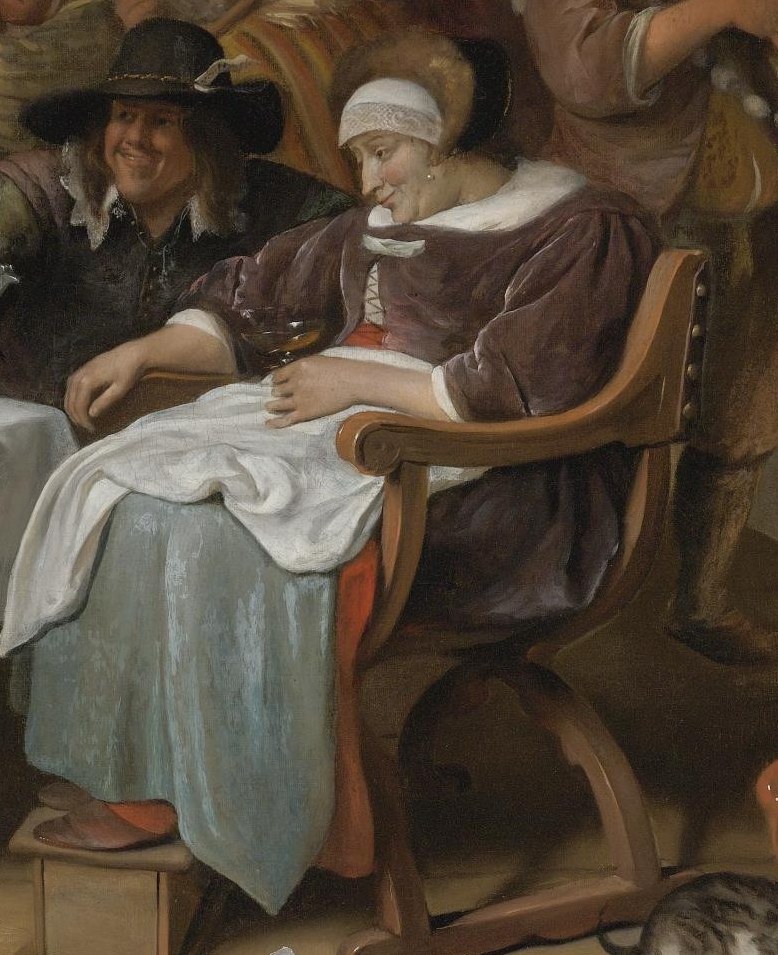
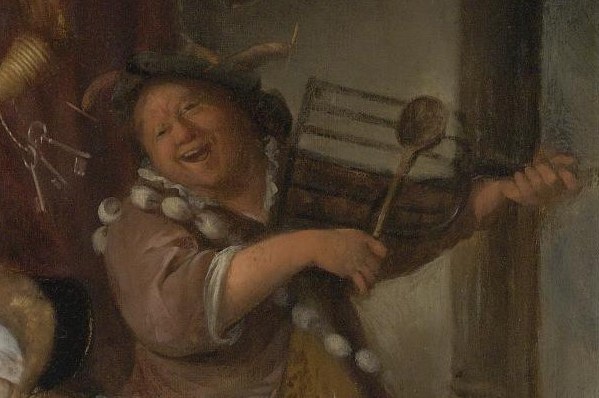
Look for the giant wheel of cheese, the symbol of the Twelfth Night feast, and the pitcher at the center of the table. Steen painted his own monogram onto that pitcher, a signature hidden in plain sight among the clutter. A fiddler plays on, a woman lifts her glass, and even the dog under the table hopes for a falling scrap.
Steen was the great chronicler of Dutch domestic life, painting with psychological insight and a sharp sense of humor. His genre scenes often carried a moral warning about excess, but they clearly enjoyed the party first. The painting entered LACMA's collection in the 20th century.
Next time you walk into a messy kitchen after a holiday dinner, you can call it a Jan Steen, and you will be speaking a four-century-old Dutch proverb.
Details
Transcript
Epiphany, 1660. The twelfth day of Christmas. The wheel of cheese marks the Twelfth Night feast. She lifts her glass at the center of the celebration. The fiddler plays on, his face joyful. The pitcher bears the painter's monogram. He signed the chaos.