Village at the Water's Edge by La Fresnaye, Roger de
Roger de La Fresnaye's 'Village at the Water's Edge,' painted in 1910, is an oil on wood landscape held in a private collection. It's a striking example of modernism, where the very act of painting becomes part of the art.
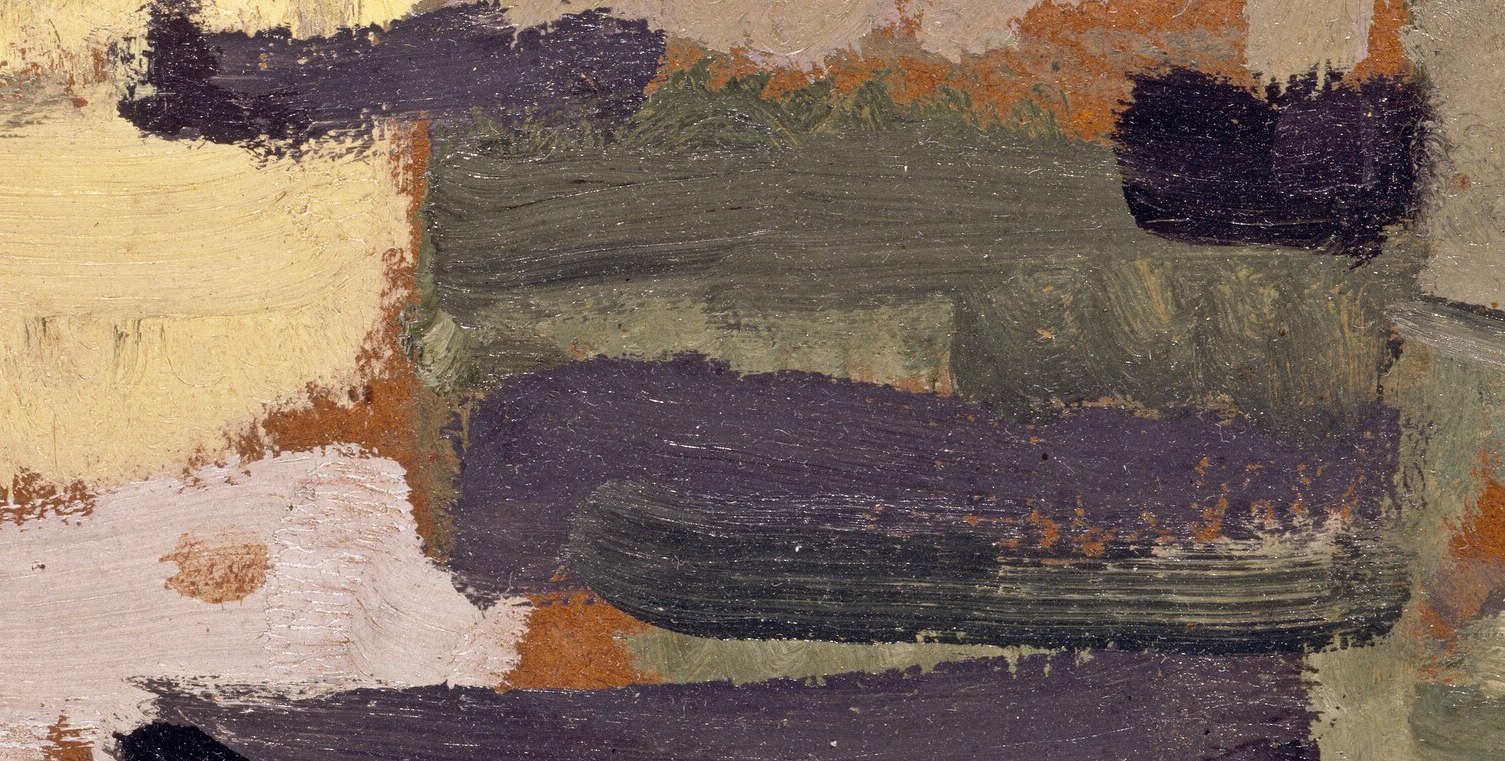
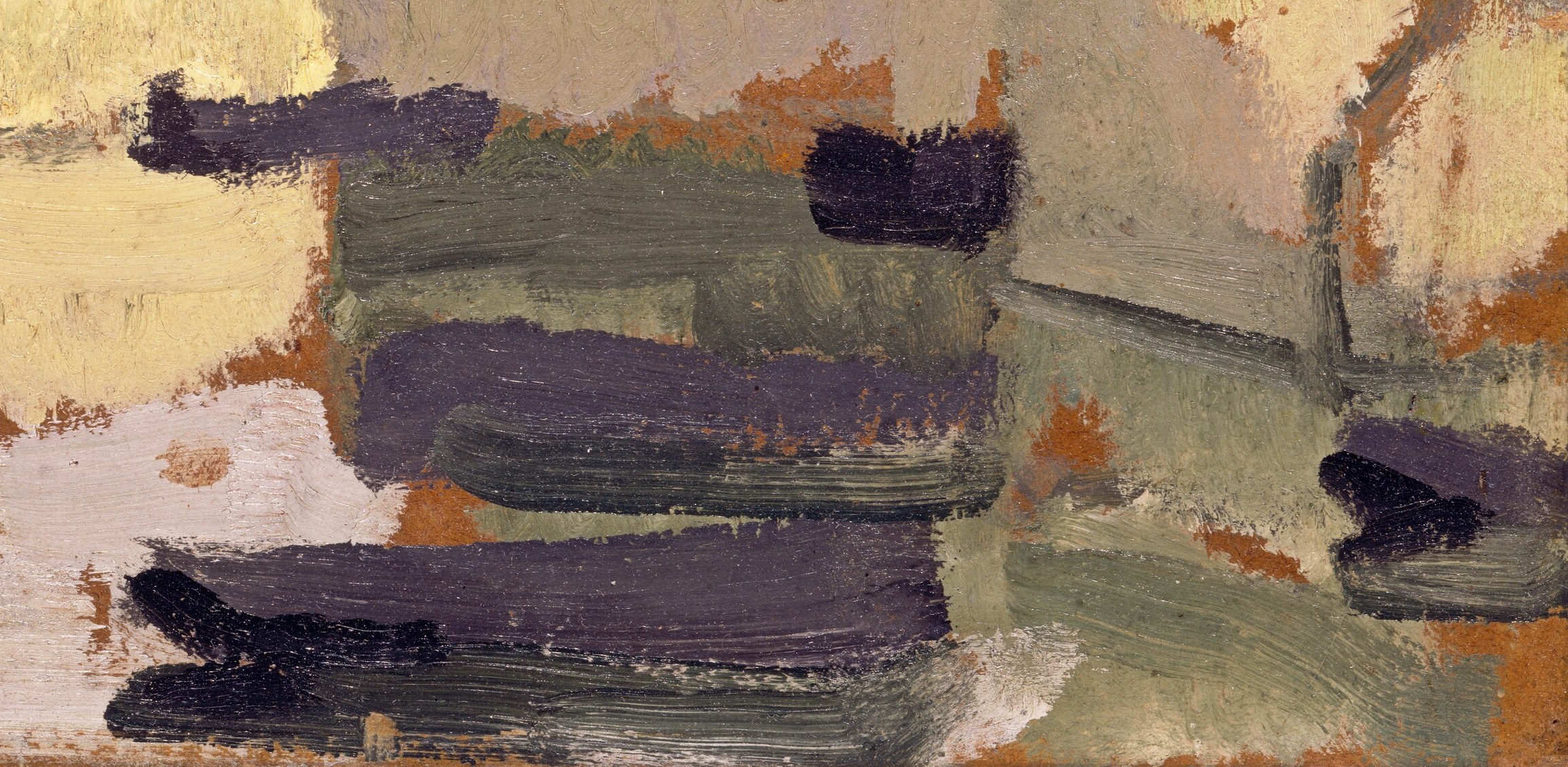
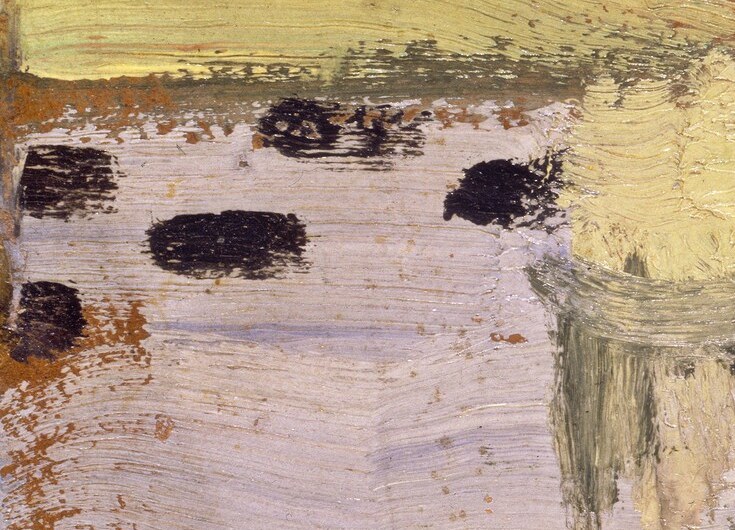
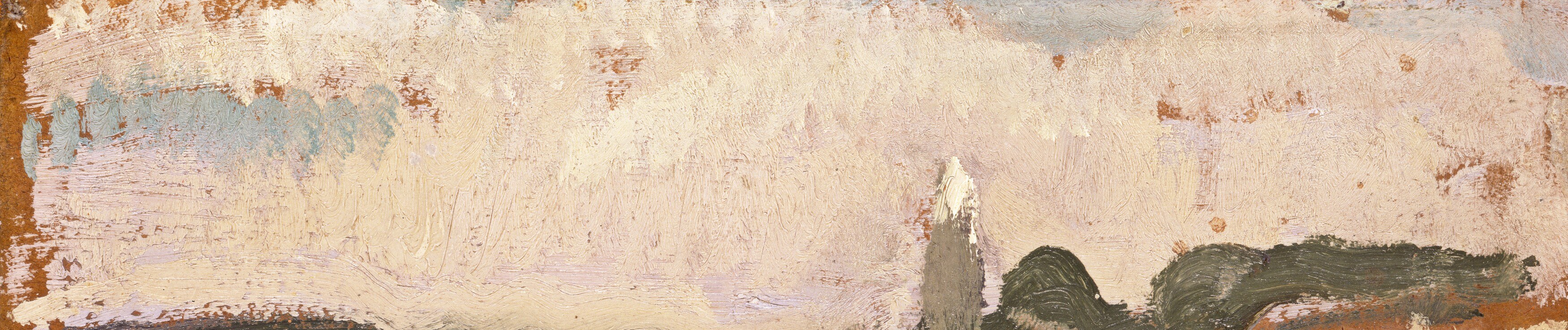
Look closely at the surface: you can see the texture of the paint. La Fresnaye used a technique called impasto, applying the paint thickly and with visible brushstrokes, almost as if scraped onto the wood panel. This emphasizes the material quality of the paint, making the work feel physically present.
Rather than just depicting a scene, the artist's hand is very much a part of the visual experience. This approach, focusing on form and surface over detailed naturalism, gives the quiet village an unexpected vibrancy. It reflects how early 20th-century artists were rethinking traditional landscape painting.
What details in the brushwork catch your eye the most?
Details
Transcript
This village looks calm, but the painting is full of energy. The artist applied paint thickly, a technique called impasto. His brushstrokes are rough, almost scraped onto the wood. This emphasizes the paint itself, not just the scene. Even the sky shows this tactile, physical quality. It's signed, a personal touch on a modernist vision.