Agostina by Corot, Jean-Baptiste-Camille
Jean-Baptiste-Camille Corot's 1866 portrait, *Agostina*, offers a compelling glimpse into 19th-century life, now housed in a European museum. Corot, a pivotal figure bridging Neo-Classicism and Impressionism, painted her with a Realist's eye for truth.
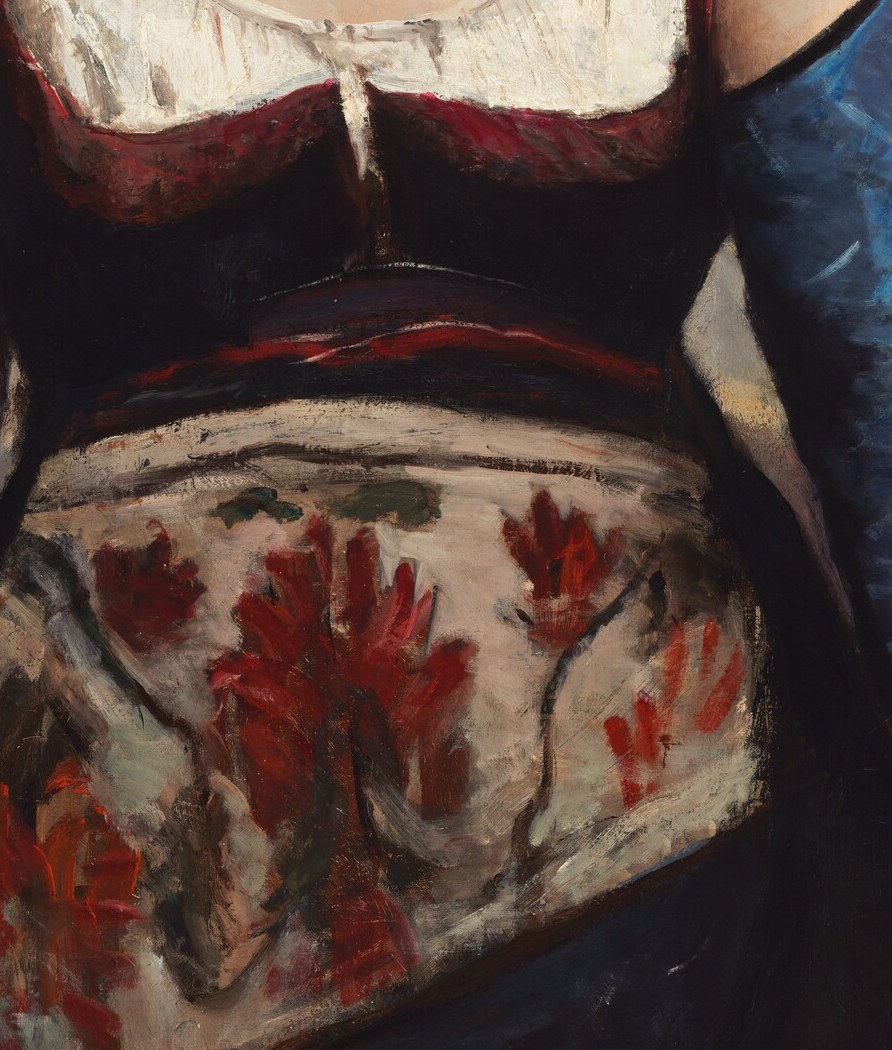
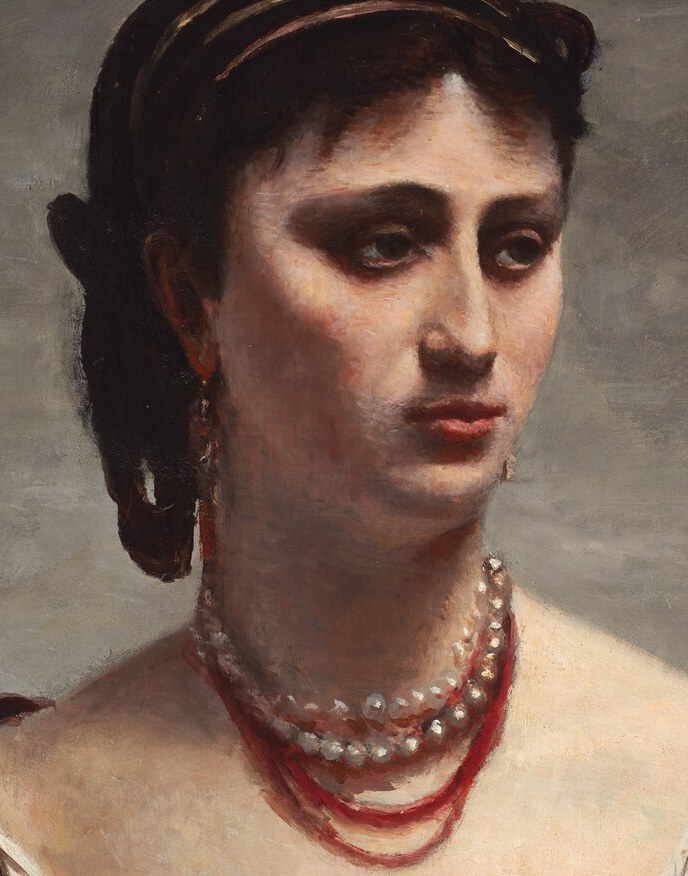
Look closely at Agostina's attire: her practical floral apron and white blouse suggest a working-class woman, grounded in her environment. Yet, the subtle detail of her pearl necklace adds a touch of personal value, hinting at a hidden world beneath the surface of daily labor.
Corot created *Agostina* in the later part of his career, when he increasingly turned to portraiture alongside his renowned landscapes. The painting’s unidealized depiction aligns with the Realist movement's focus on ordinary people, connecting labor and landscape in mid-nineteenth-century France.
What do you see in her quiet expression?
Details
Transcript
Meet Agostina, painted in 1866, in France. This painter was known for landscapes and portraits. Her practical clothing places her in the working class. The simple pearl necklace hints at personal value. Her gaze is averted, perhaps a quiet introspection. Corot painted her with quiet, everyday dignity.