madonna col bambino in un giardino by Cosimo Tura
Cosimo Tura painted 'Madonna col Bambino in un giardino' around 1450, and looking at it now at the National Gallery in Washington, you feel why he was called both genius and heretic. The enameled, almost metallic skin of the Virgin divided Ferrara in his lifetime: some saw rapturous stillness, others a cold, petrified queen. This painting is one of the earliest statements of the Ferrarese manner that would later erupt into open scandal when Tura's extreme stylizations were denounced as grotesque.
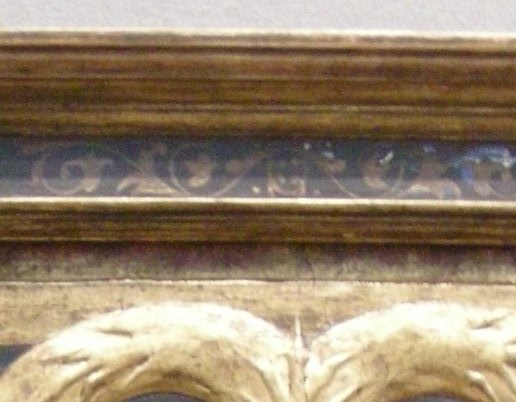
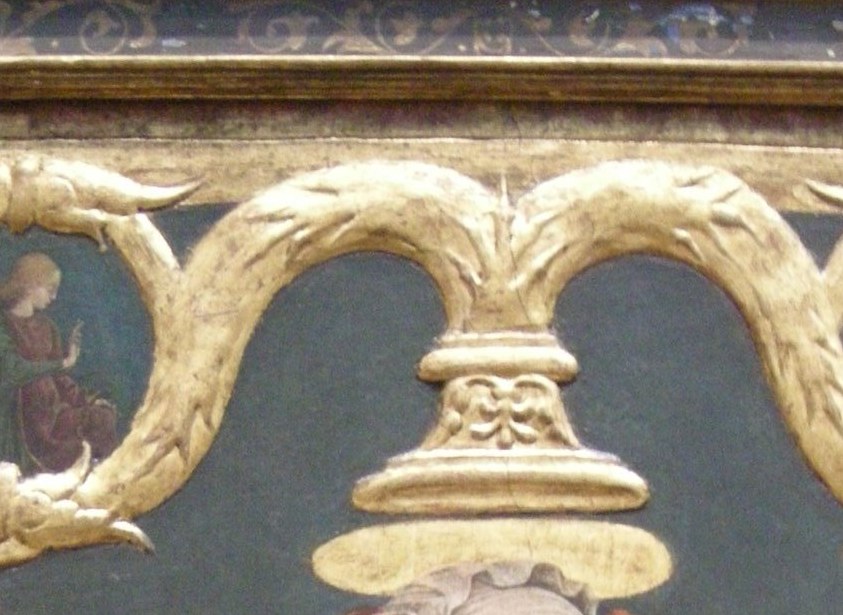
Look at the background: every element is a coded message. The sealed garden is the hortus conclusus from the Song of Songs, a medieval and Renaissance emblem of Mary's inviolate purity. The stone basins on the ledge flank her like temple vessels, likely a reference to lustral purification. Even the gilded urn atop the arch is theological shorthand: the Virgin as the chosen vessel of the Incarnation. This is doctrine dressed as decoration.
Tura, born around 1430, was a founder of the Ferrara School and spent much of his career in the service of the Este court. His enameled surfaces and torqued linear rhythms pulled Ferrarese painting away from Venetian softness toward something stranger and more ecstatic. By the end of his life, the taste he helped create outran him; his later works were rejected for their 'ugly' intensity, and he died in poverty in 1495. Fame is a pendulum: his rank sits around 2,978 today, but his influence on the city's visual identity is incalculable.
A portrait of the divine mother, or a mirror of the artist's own unrepentant intensity?
Details



Transcript
She is not soft. She is not warm. Cosimo Tura painted the Virgin like sculpted porcelain. His enameled, metallic style divided Ferrara completely. The eyes are downcast. The hands pray toward her own child. Writers called it petrified. Others found it ecstatic. Every detail is a coded Marian emblem. The sealed garden, the lustral basins, the urn. This intensity, years later, would earn him outright rejection.