Portrait of Count Nikolay Guryev by Jean Auguste Dominique Ingres
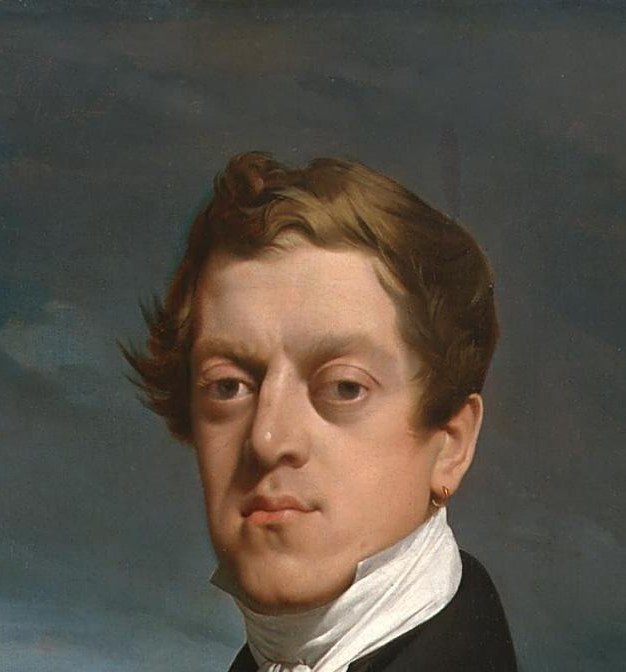
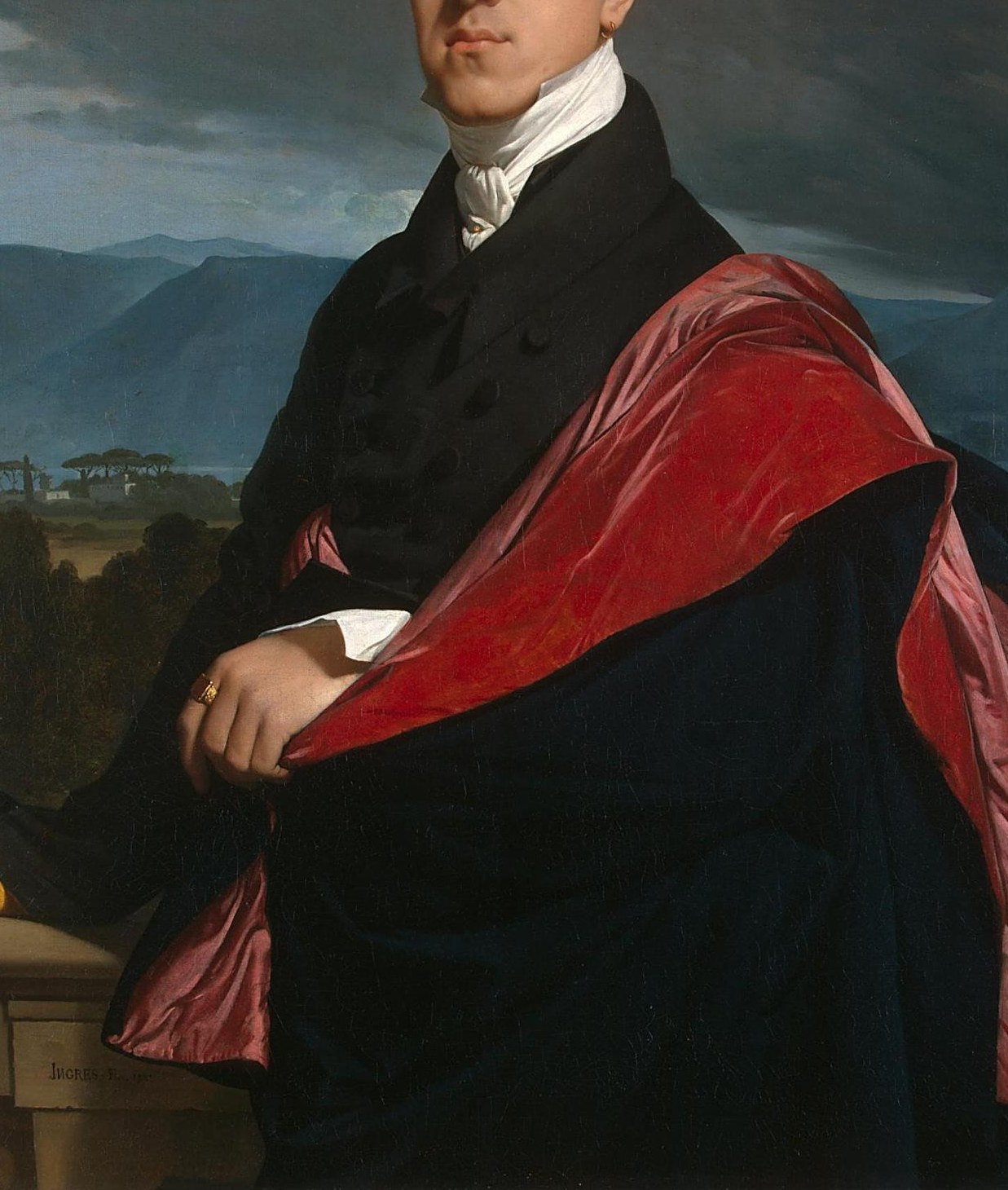
This is Ingres's 1821 portrait of Count Nikolay Guryev, a Russian diplomat and aristocrat, painted in Florence and now held at the State Hermitage Museum. It is a picture of a man who moved through the highest rooms in Europe, and Ingres records exactly how he got through the door.
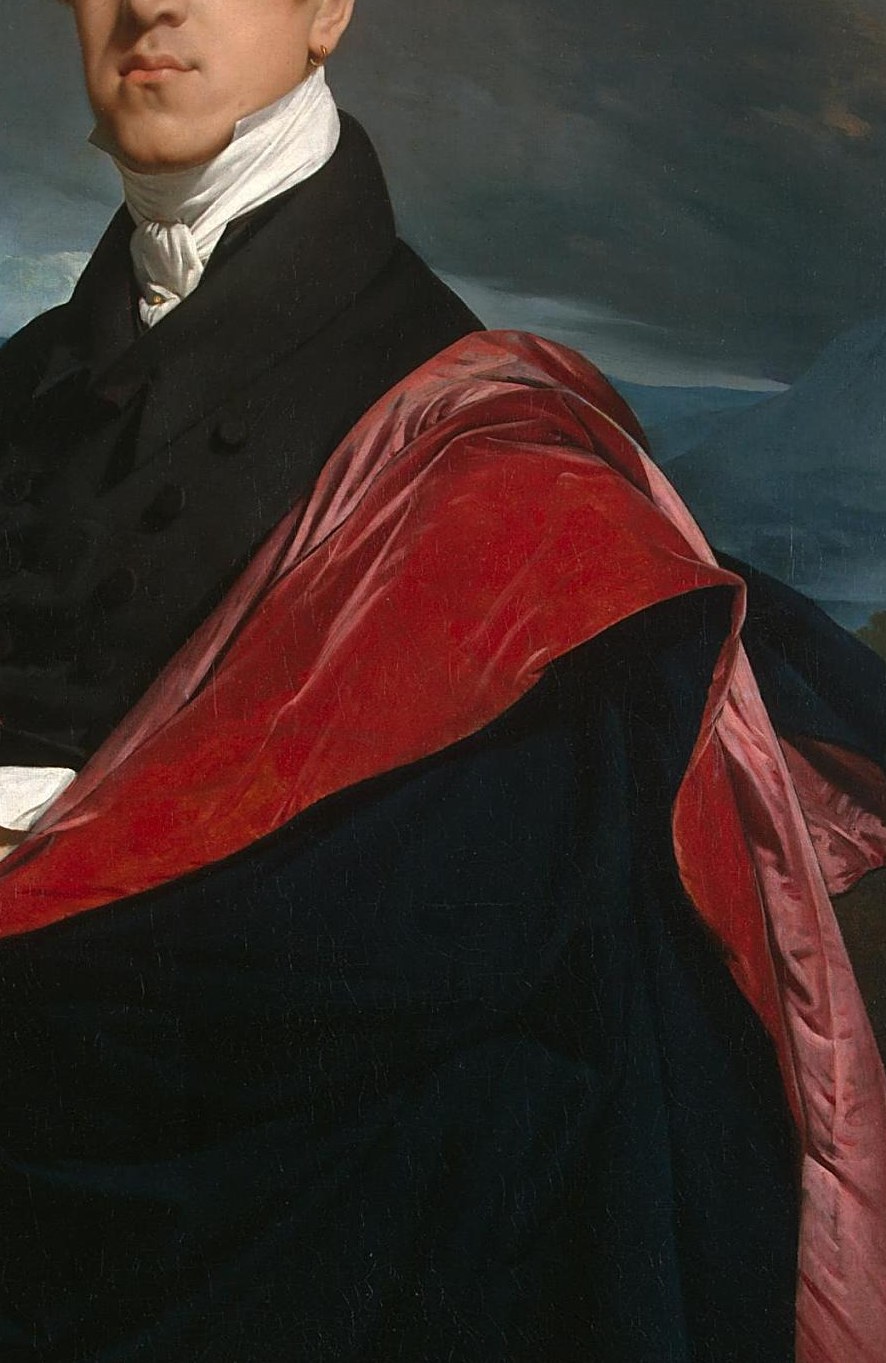
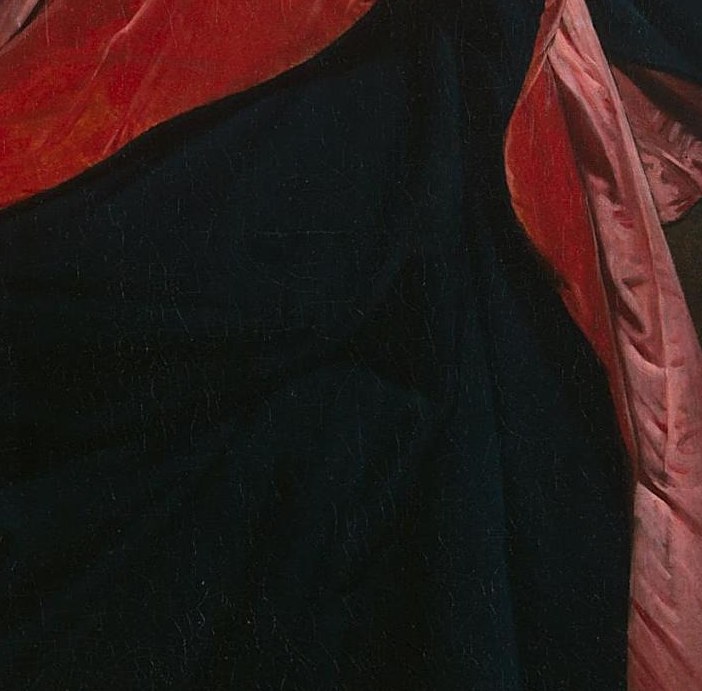
Start with the red sash. It cuts the canvas on a severe diagonal, the boldest compositional stroke in the painting. That sash is almost certainly the Order of St. Alexander Nevsky, an imperial Russian decoration given only for state service. Ingres treats the silk with extraordinary economy: a few tonal shifts describe weight, sheen, and the pull of gravity where the fabric pools near the hip. The sash is rank made visible.
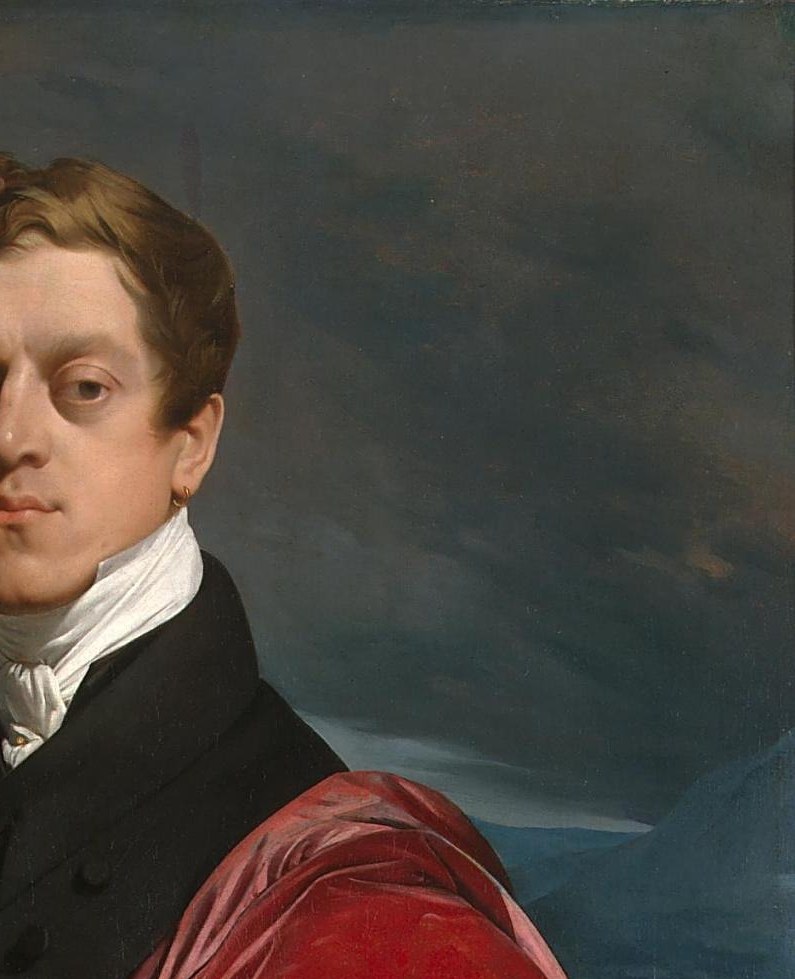
Then look at the sky. Behind the Count's left shoulder, a pale horizon glows, but the upper right of the canvas churns with dark Romantic storm clouds. Ingres, a self-described guardian of Neoclassical order, lets weather into the picture. The contrast is the point: the man is immovable. The storm is not.
The Count's gaze meets yours directly, steady and emotionless. Ingres was in his early forties, still building his Italian reputation; this portrait is a calling card as much as a likeness. Nikolay Guryev would later serve as Russia's foreign minister. Did Ingres know just how powerful his sitter would become, or did he simply paint the ambition he saw?
Details
Transcript
Florence, 1821. A French painter finishes a portrait. The sitter is not Italian. He is a Russian count. This crimson sash is the Order of St. Alexander Nevsky. An imperial award. You could not buy it. Ingres gives him a storm for a backdrop. The turbulence makes his stillness feel like power.