A wedding feast, traditionally called 'The wedding of Adriaen Ploos van Amstel and Agnes van Bijler', 1616 by Willem Cornelisz Duyster
In 'A wedding feast', painted around 1625 by Willem Cornelisz Duyster, we get a rare glimpse into a Dutch Golden Age family celebration. While Duyster was primarily known for his military scenes, this work captures the intricate social fabric of civilian life.
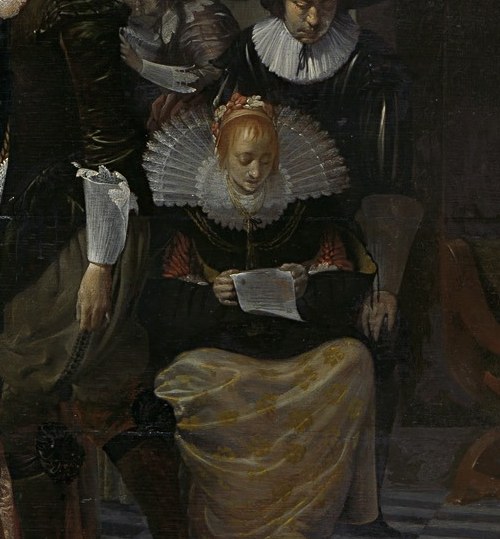
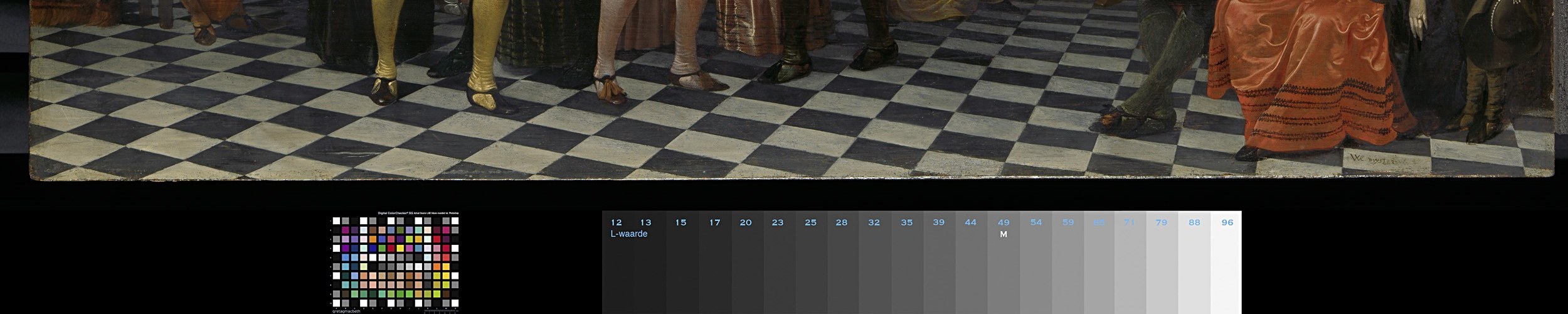
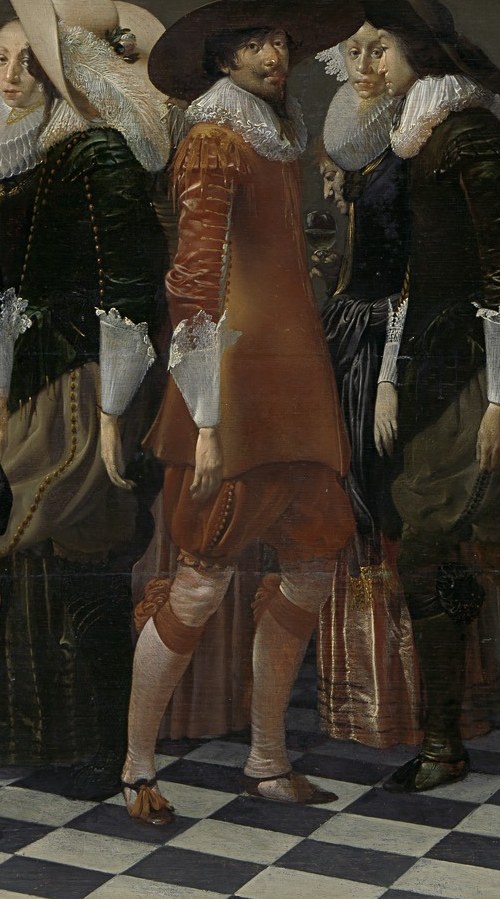
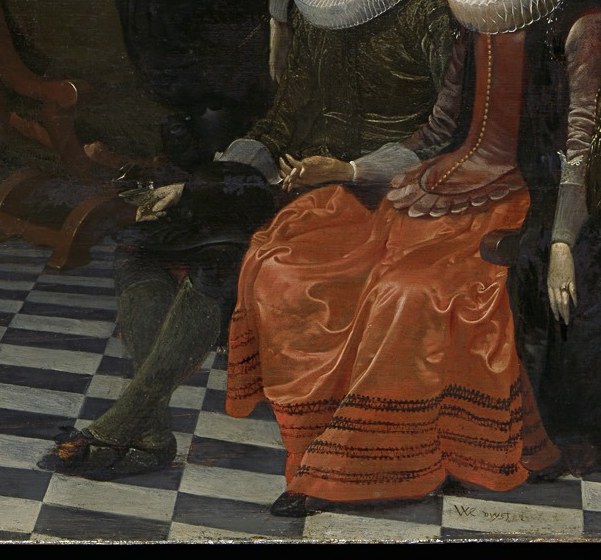
Observe the exquisite detail in the guests' attire, particularly the elaborate ruffs and patterned dresses, which speak to the fashion and social customs of the period. The geometric pattern of the checkered floor also provides a strong visual anchor to the domestic scene.
This oil painting, now housed in the Rijksmuseum, reflects the burgeoning interest among Dutch artists of the time in documenting everyday events and middle-class customs. It’s a testament to the period's focus on civic identity and personal milestones.
What details in the painting make it feel like a true moment in time?
Details
Transcript
This painting records a wedding feast in 1625, Holland. The guests wear the finest fashions of the Dutch Golden Age. Her elaborate ruff shows the social customs of the time. The patterned floor was also a common design element. The artist usually painted soldiers, but here captures a rare family ritual. This quiet realism was typical of Dutch genre painting.