Head of Jean-Baptiste Faure (1830–1914) by Édouard Manet
This is Head of Jean-Baptiste Faure, painted by Édouard Manet around 1882. Faure was the most celebrated baritone of the 19th century, a man accustomed to applause, costumes, and total command of a room. Manet gave him this instead.
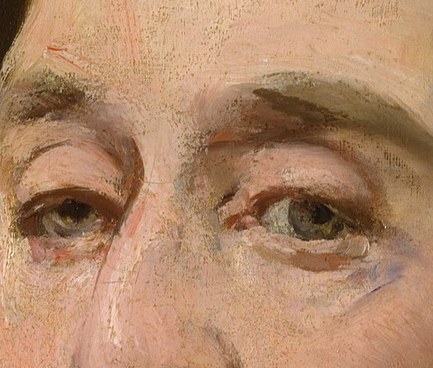
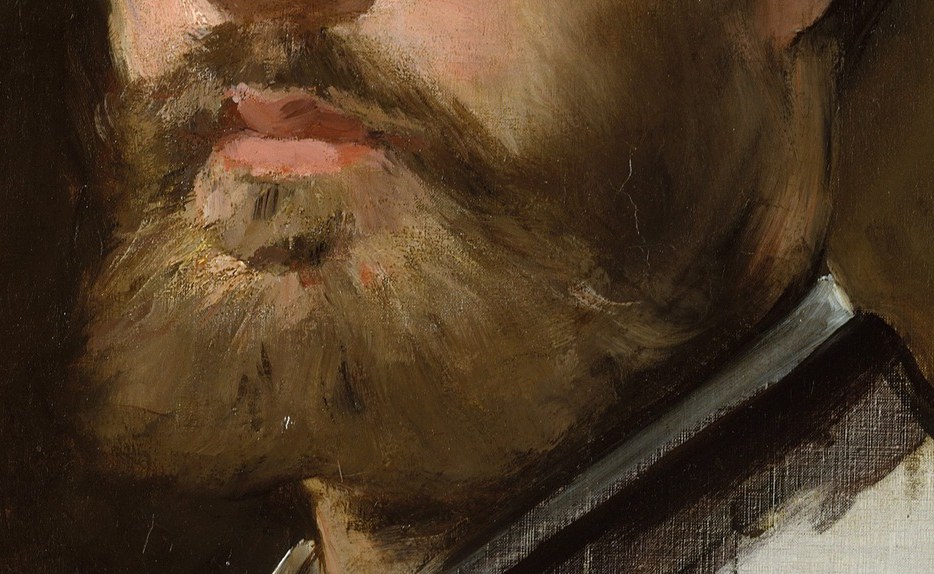
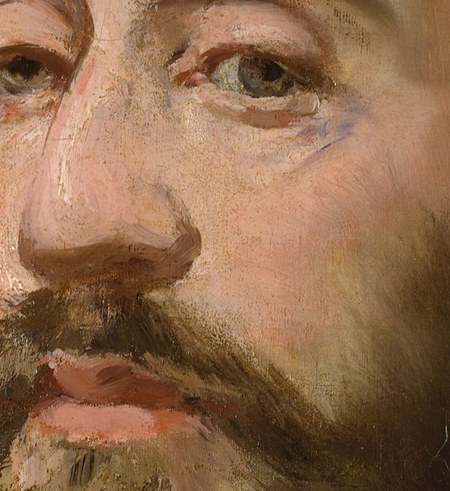
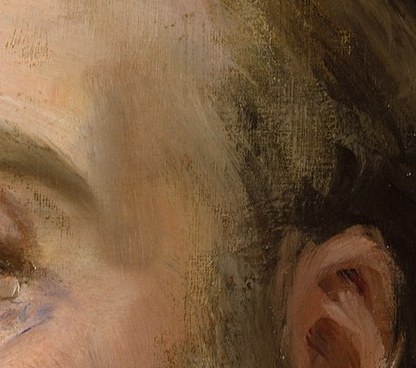
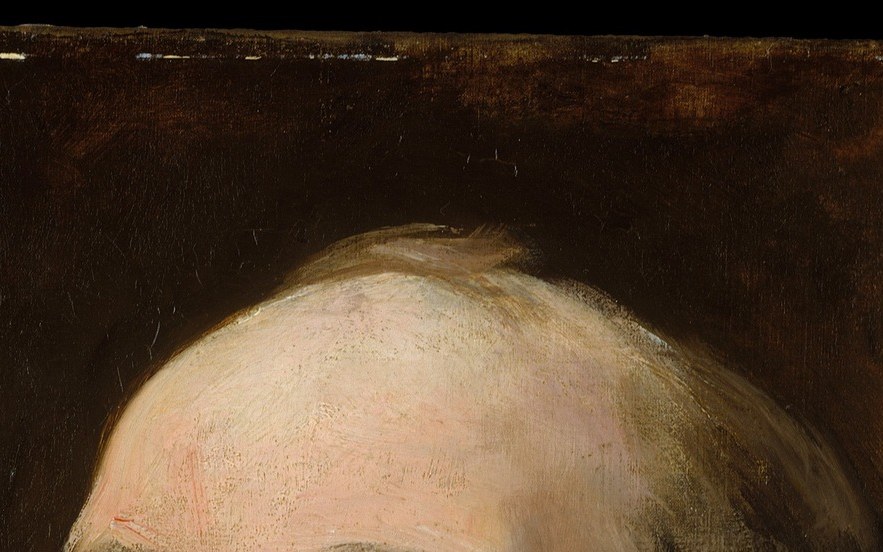
Look at the beard and mustache, Manet paints them with such rapid, broken strokes that they almost read as a costume being taken off. The dark coat is a shorthand smear. All the energy and attention goes to the eyes and the bare, modeled crown of the head. Faure's wealthy, theatrical public image is stripped away, and what remains is a tired man with a slightly weary gaze.
Faure owned dozens of works by Manet, one of the artist's most important patrons. But when he saw this portrait, he rejected it outright. Manet was furious, calling the singer conceited and refusing to rework it. The rupture was permanent. For Faure, the painting failed because it refused to perform. For Manet, that refusal was the whole point.
The Met now holds it, a small, confrontational study in what a portrait owes its sitter, and what it doesn't.
Details
Transcript
Jean-Baptiste Faure. The most famous baritone in Paris. He commissioned Manet to paint him several times. But when Faure saw this one, he refused to accept it. Manet called him vain. Their friendship never recovered. The singer demanded a flattering mask. Manet gave him this. A face with nowhere to hide, rapid, unsparing strokes. The rehearsed stage presence is gone. Only the private man remains.