Saint Lucy by Francesco da Cotignola
Francesco da Cotignola's "Saint Lucy," painted in 1515, presents a powerful devotional image of the saint who is the patron of sight. This oil on panel work, held at The Metropolitan Museum of Art, invites us into a moment of serene contemplation.
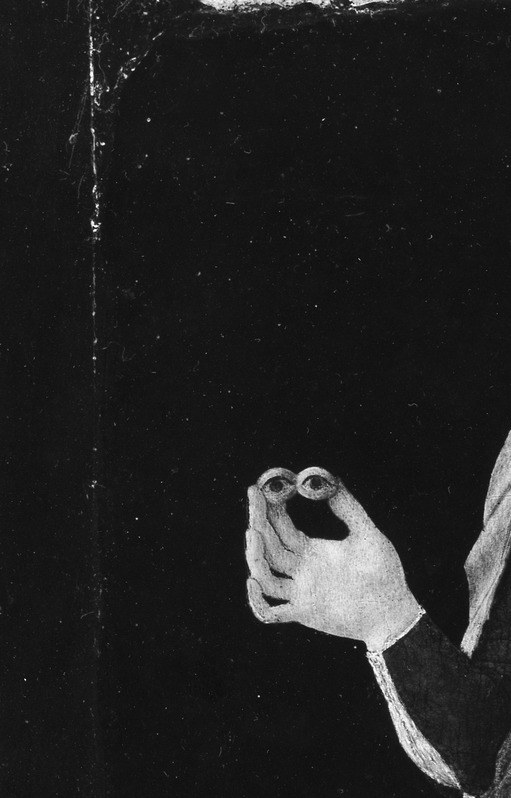
Look closely at Saint Lucy's face and eyes. Despite the tradition that she lost her eyes in martyrdom, the painter depicts her with a composed and almost inward gaze, suggesting a deep spiritual peace rather than physical torment. The object she holds in her raised right hand is likely an oil lamp, referencing her name (lux, meaning light) and her association with sight.
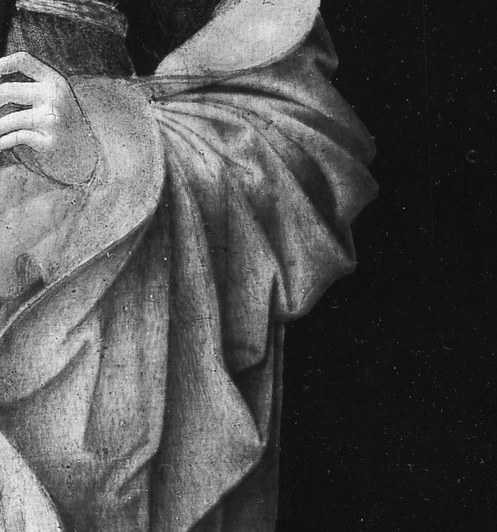
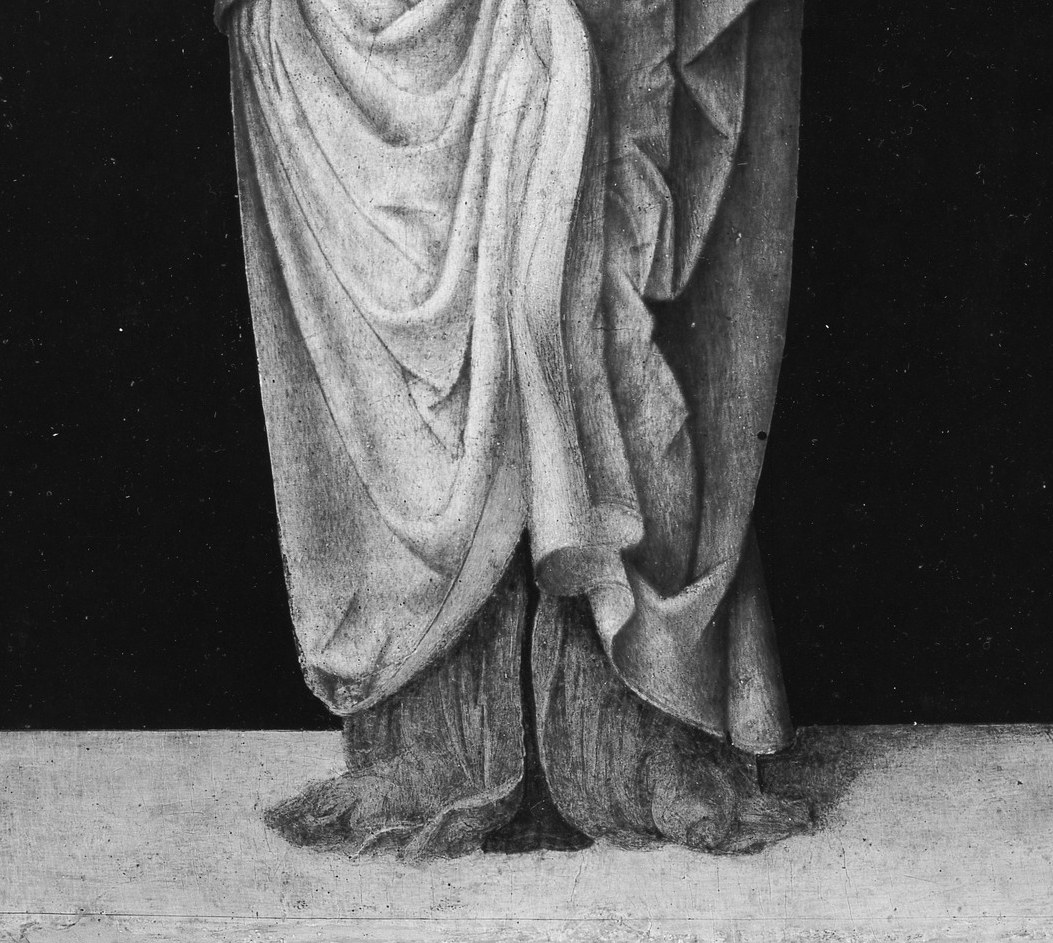
Cotignola, active across Italian cities like Parma and Ravenna, created religious works for various patrons during the early 16th century. His use of strong contrast and sculptural drapery gives the figure a striking presence against the dark background, placing her in a timeless sacred space.
What do you see in her expression that speaks of enduring strength?
Details


Transcript
This is Saint Lucy, painted in 1515. The painter was Francesco da Cotignola, an Italian master. Lucy is patron saint of the blind and of sight. Her story tells how she was martyred by losing her eyes. But her gaze here is serene, almost inward. A quiet triumph over her suffering, held in sacred space.