Padre Sebastiano by John Singer Sargent
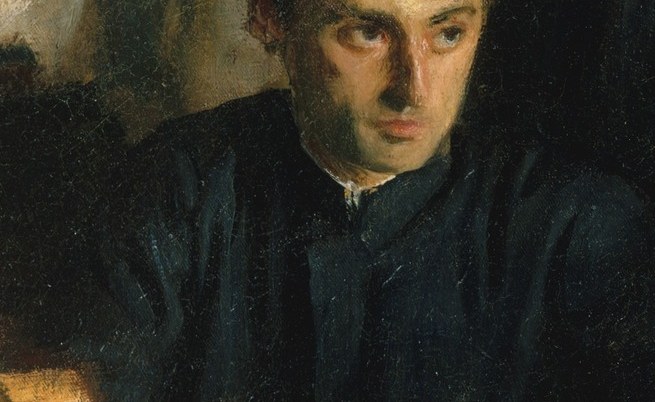
John Singer Sargent's "Padre Sebastiano," painted between 1904 and 1906, portrays an Italian priest with a rich inner life, currently housed at the Metropolitan Museum of Art. Sargent encountered Padre Sebastiano in the Italian Alps, and was struck by his dedication to intellectual pursuits beyond his clerical duties.
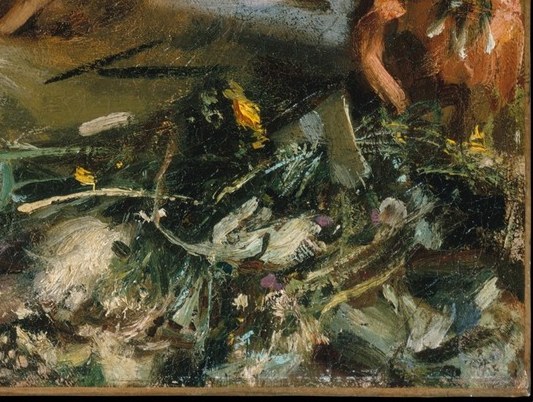
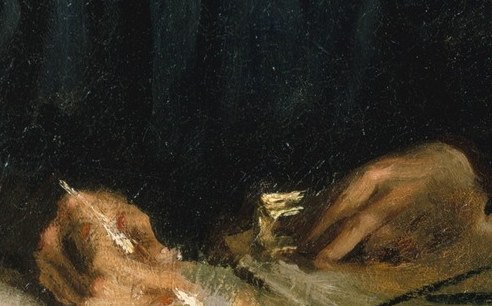
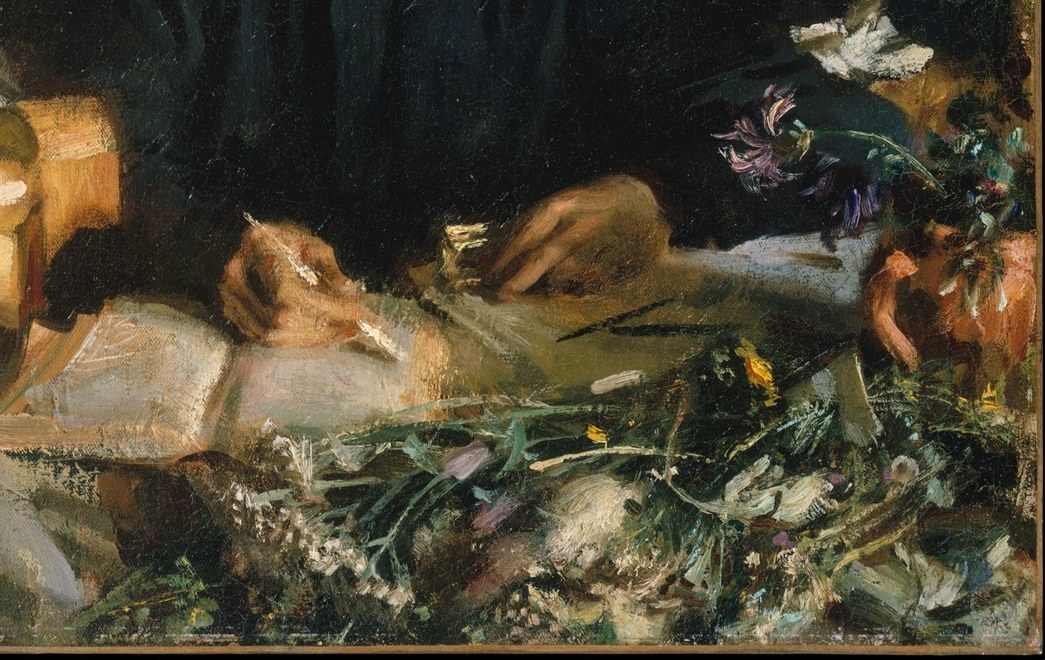
Look closely at the desk: the scattered wildflowers are not mere decoration. They symbolize Padre Sebastiano's profound interest in botany, a passion that defined him. His hands, poised over the papers, hint at a life of study and contemplation, where observation and documentation were key.
Sargent's use of thick, visible brushstrokes (impasto) gives the painting a tangible texture, reflecting a departure from his more formal society portraits. This informal approach perfectly captures the authenticity of the scene and the subject's humble, studious character.
The painting invites us to consider the hidden depths of individuals, revealing passions that might otherwise go unseen. What quiet pursuits shape the people around us?
Details
Transcript
This priest was more than a man of God. He was Padre Sebastiano, a quiet scholar and botanist. See the wildflowers scattered across his desk? They represent his deep interest in botany. His hands are poised, ready to write down observations. John Singer Sargent captures a life devoted to intellect and nature.