A Mother's Duty by Pieter de Hooch
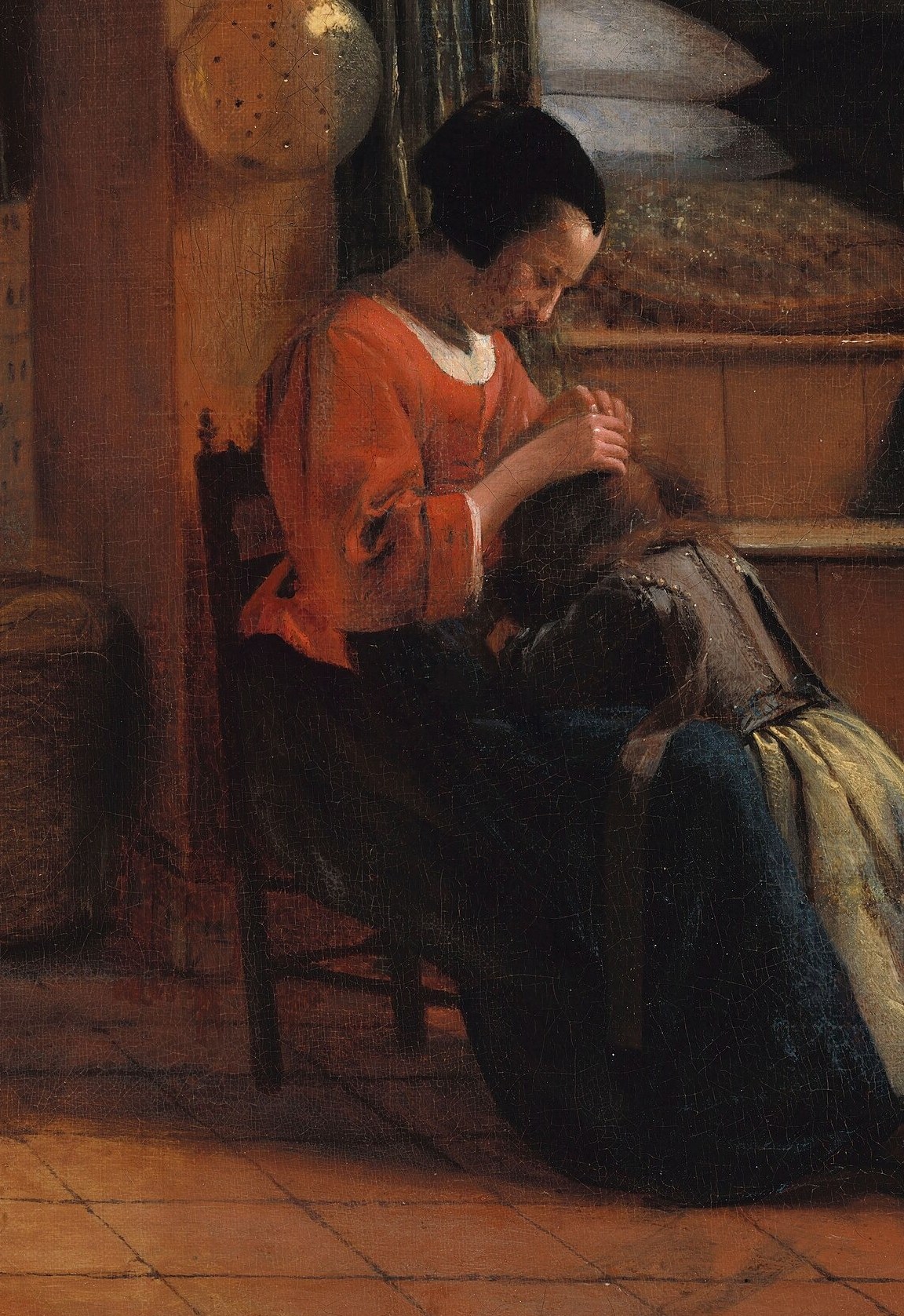
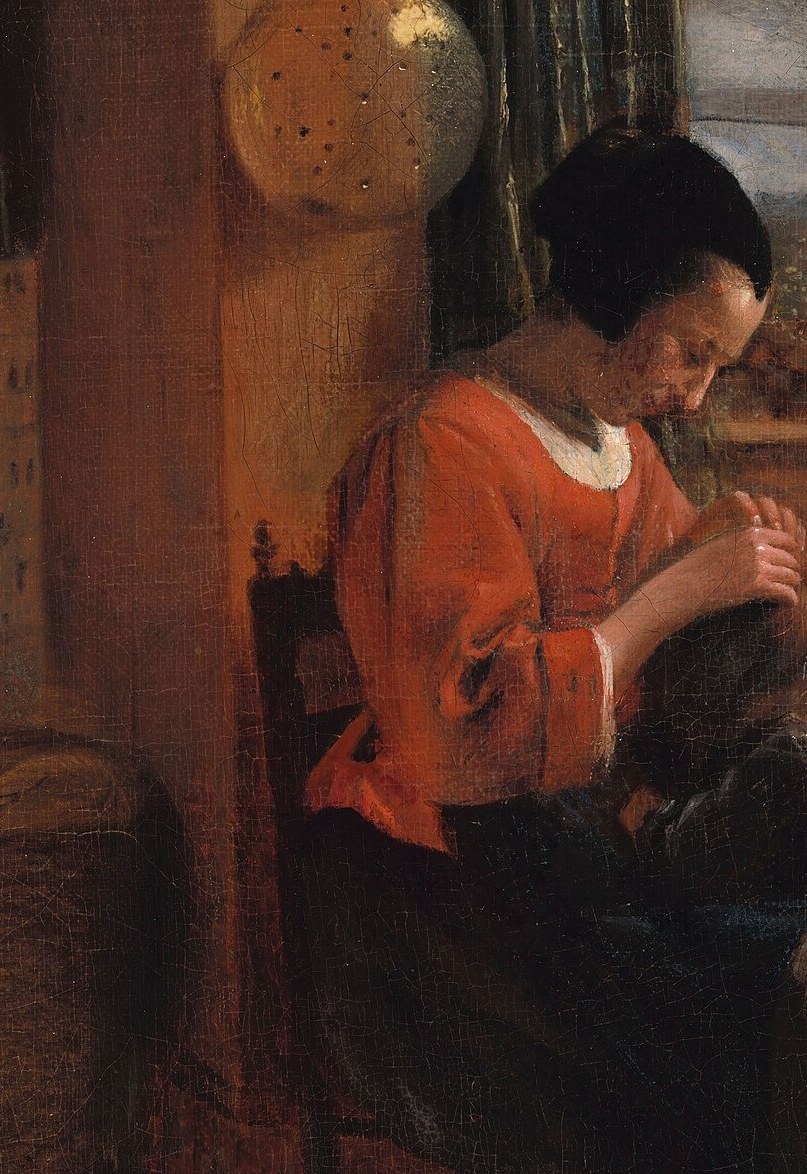
Pieter de Hooch’s "A Mother's Duty" (c. 1660) at the Rijksmuseum is a masterful example of Dutch Golden Age painting, elevating a simple domestic scene into something profoundly engaging. De Hooch was celebrated for his ability to transform everyday moments into serene vignettes of family life.
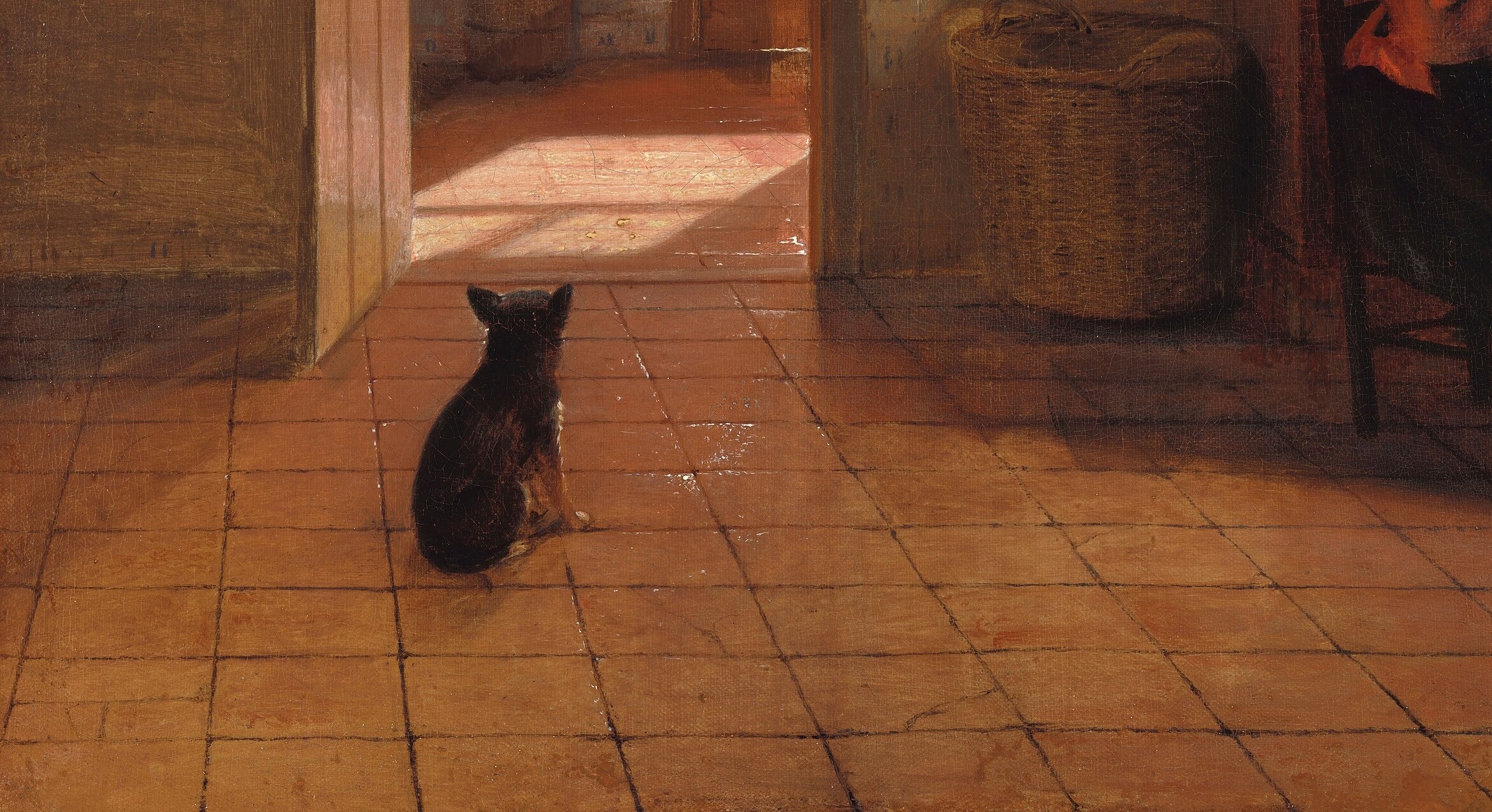
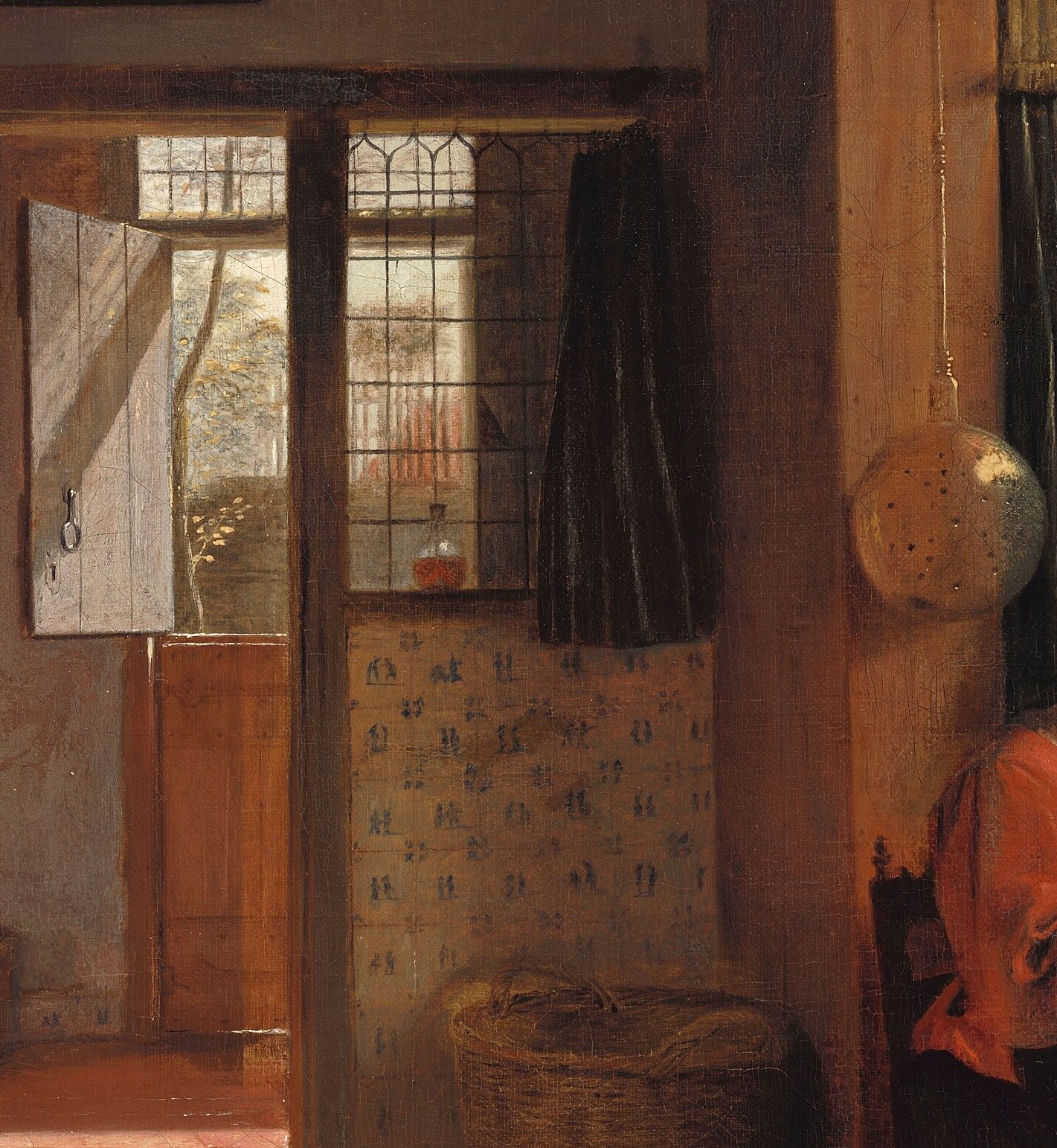
Look closely at how the light streams through the window, illuminating the tiled floor and drawing your eye deeper into the home. This use of light and the architectural device of an open doorway were hallmarks of de Hooch's technique, creating a remarkable sense of depth and inviting the viewer into the private world of his subjects.
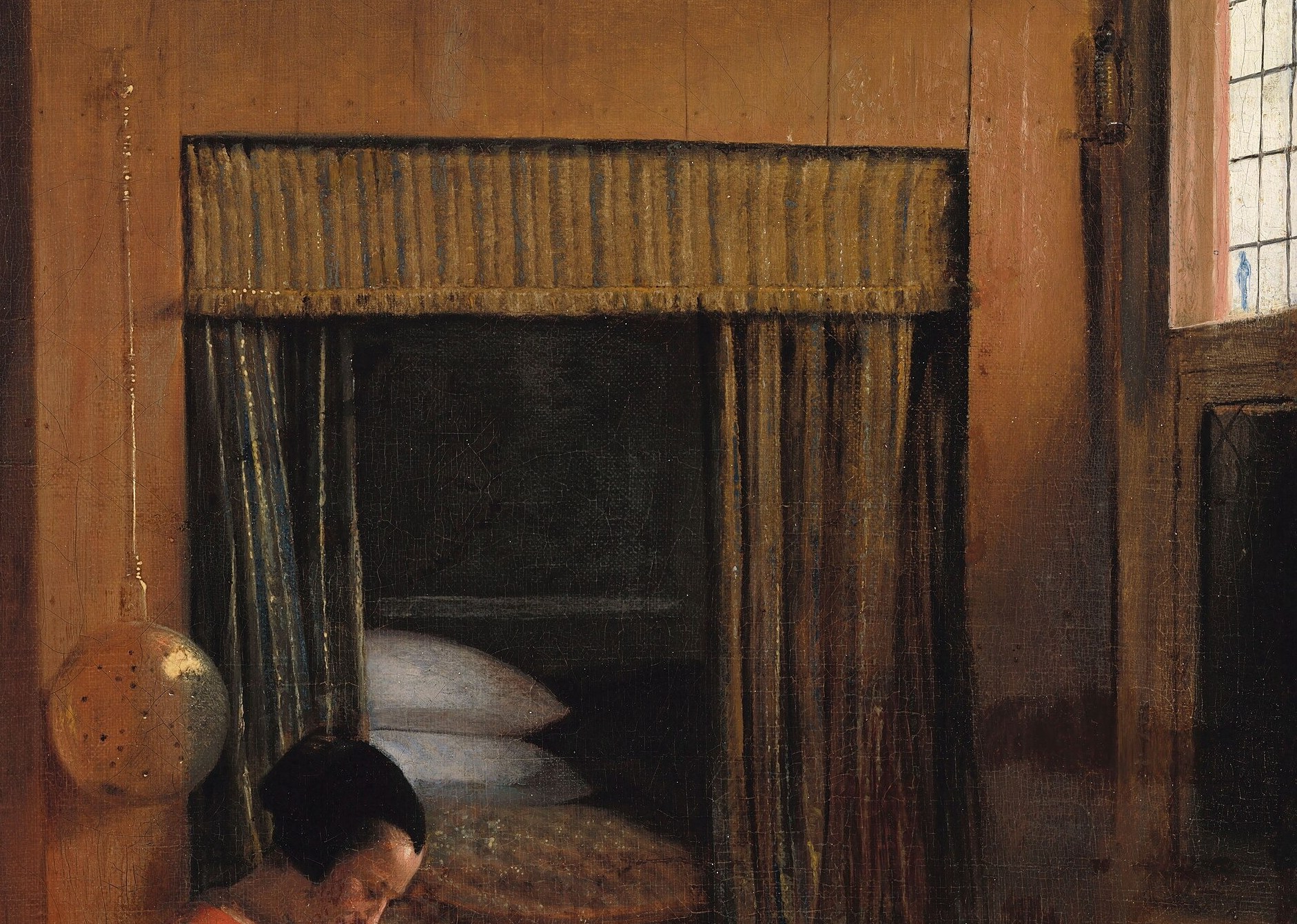
The painting is part of the Amsterdam Museum's collection, on long-term loan to the Rijksmuseum. It beautifully showcases de Hooch's meticulous rendering of textures and details, contributing to a tranquil mood and underscoring the values of nurturing and domestic harmony prevalent in 17th-century Dutch society.
What other hidden details do you notice in this seemingly simple scene?
Details
Transcript
Pieter de Hooch painted daily life, but with hidden complexity. This mother, deep in thought, combs her child's hair. It’s a quiet moment, but notice the light on the floor. De Hooch uses light and open doorways to create depth. The scene draws you in, through one room and into another. This ordinary painting hides a master of light and space.