Harrison Gray by Copley, John Singleton
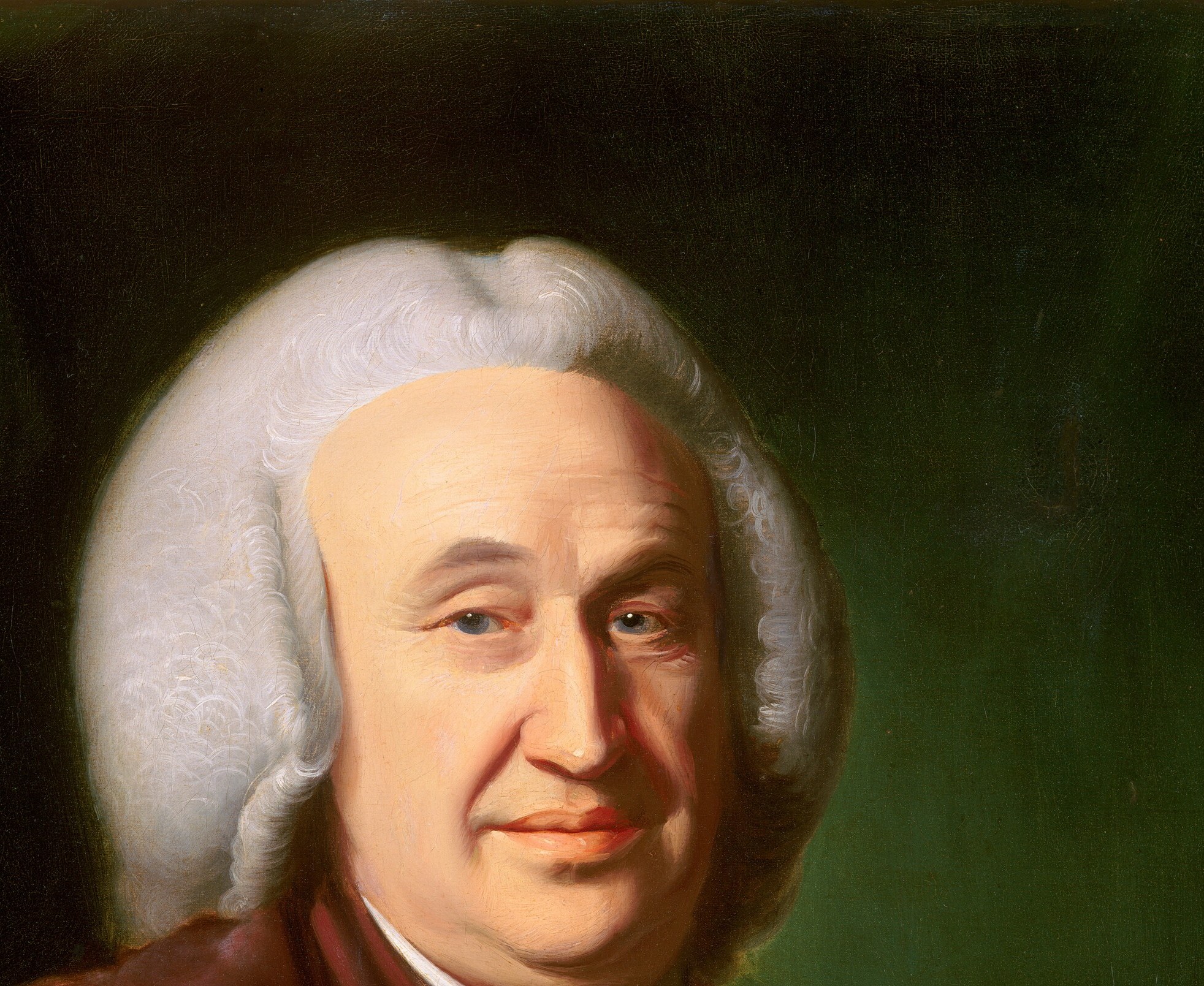
John Singleton Copley's 1767 portrait of Harrison Gray captures a man of significant influence in colonial Boston. Gray, painted with Copley's characteristic realism, was the Treasurer of the Province of Massachusetts Bay, a powerful and prestigious position.
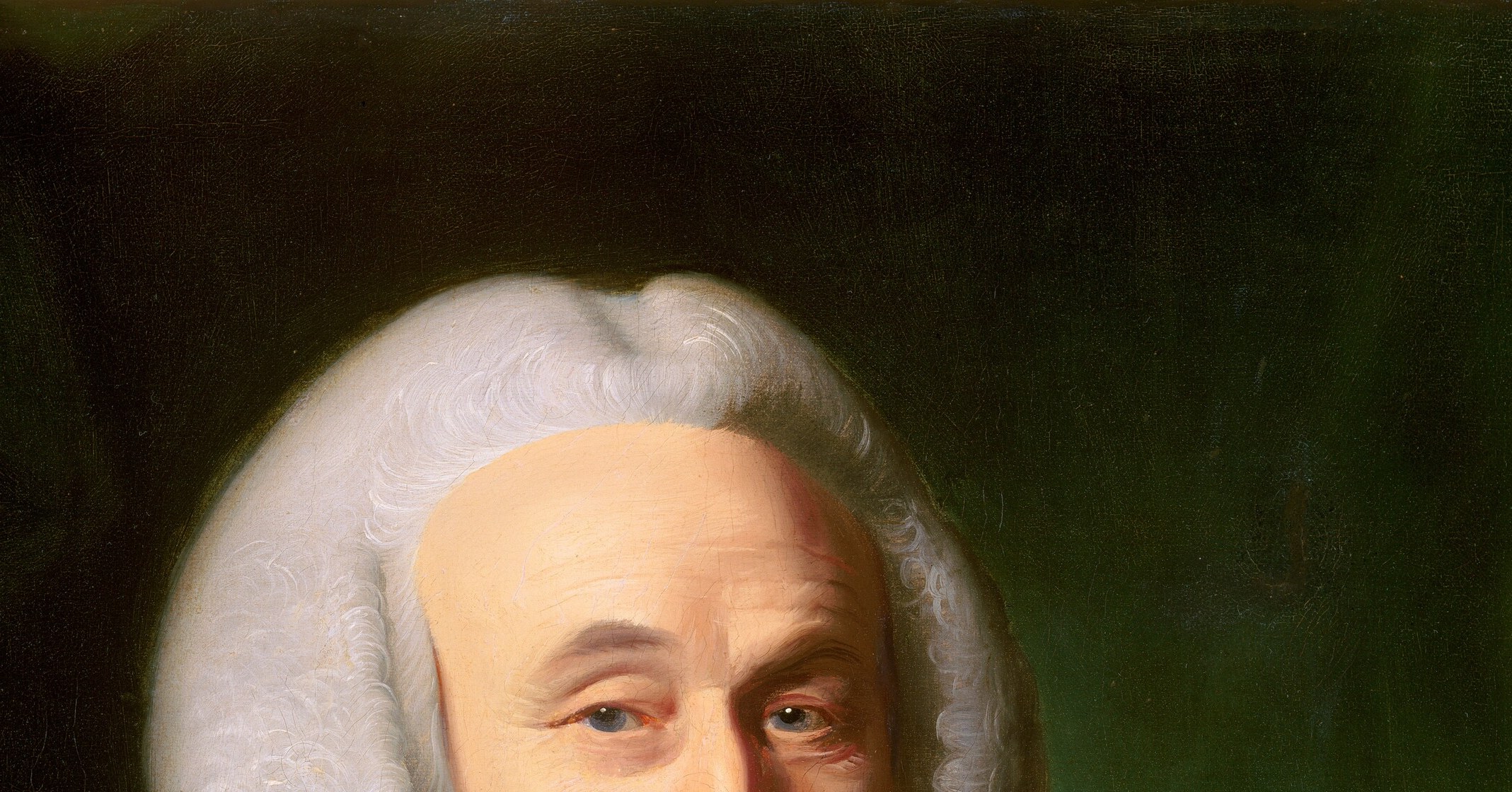
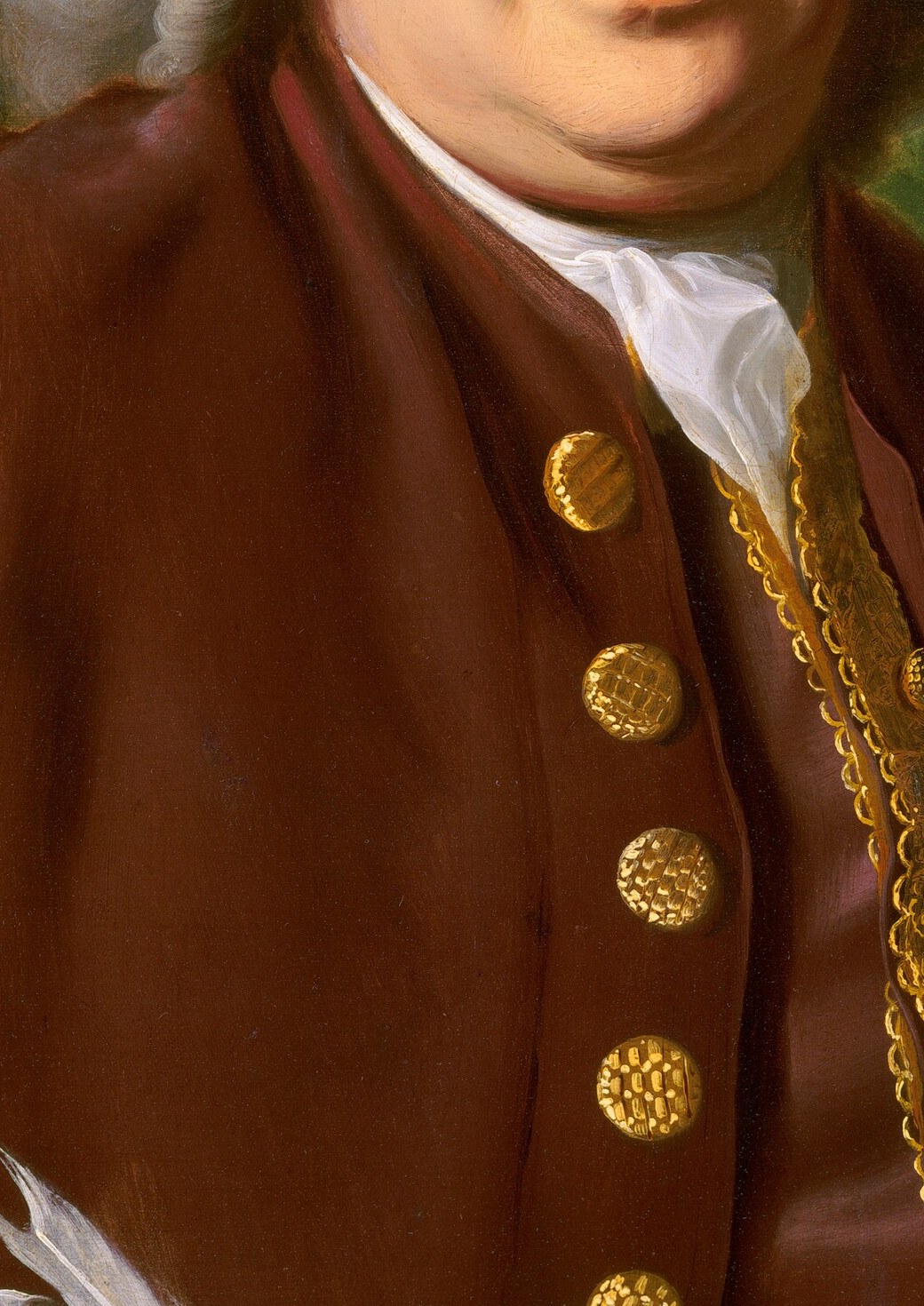
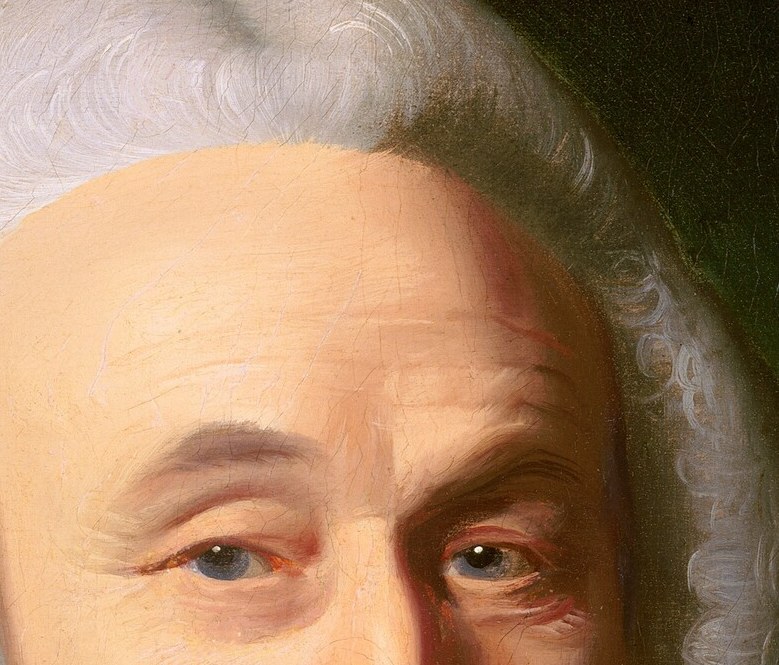
Notice the detailed rendering of his attire, from the elaborate powdered wig to the opulent velvet coat and the individually painted gold buttons on his waistcoat. These elements speak to his wealth and status.
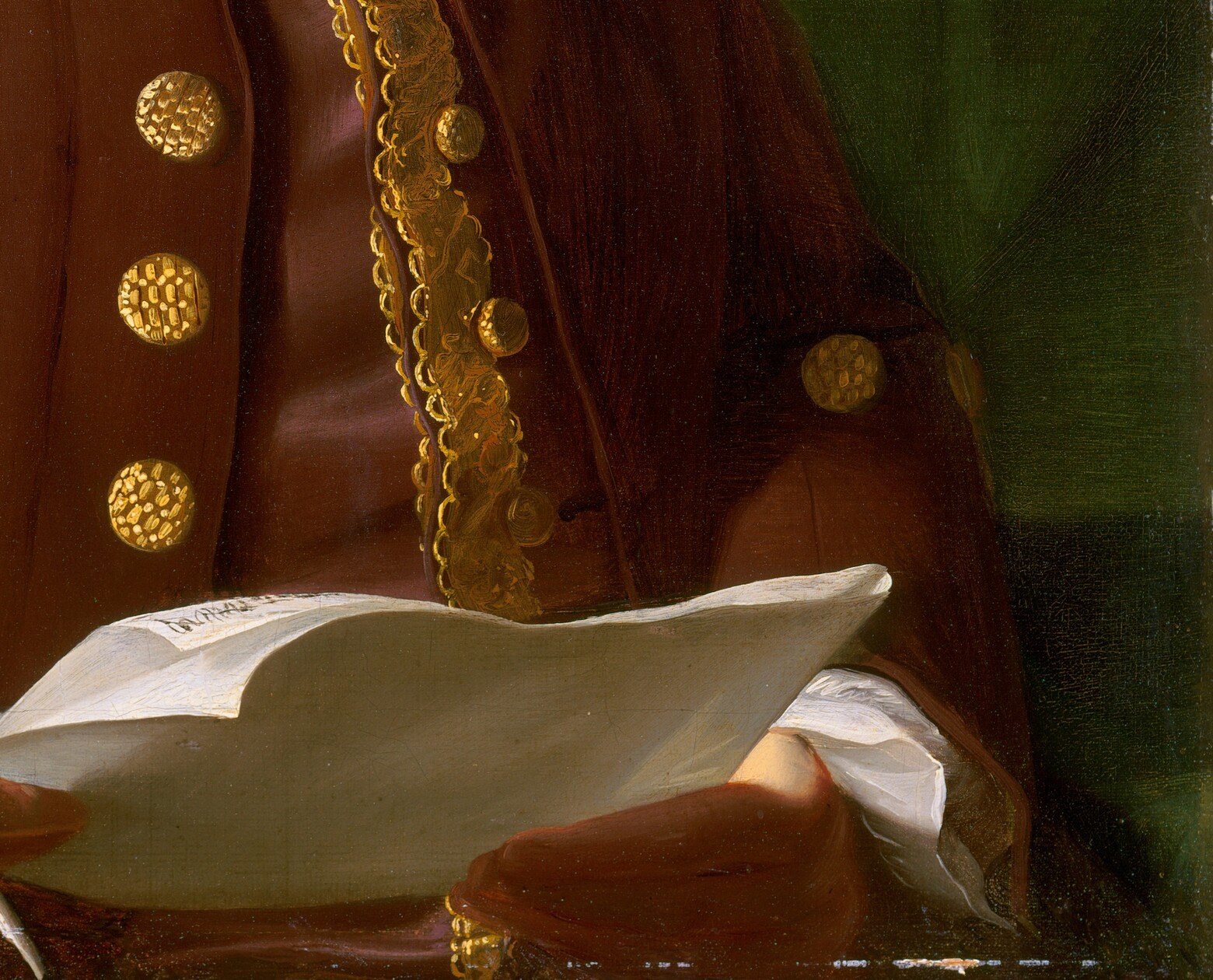
However, it's the document in his left hand that truly anchors his identity. Though illegible, its presence is a direct nod to his public office and the responsibilities he held. Copley's attention to such details elevated his portraits beyond mere likenesses, imbuing them with social and psychological depth.
This painting is a window into the life of an 18th-century American elite. What other details do you notice that tell a story?
Details
Transcript
This is Harrison Gray, a man of power in colonial Boston. The painter was John Singleton Copley, known for realism. Copley captured every detail, from his powdered wig... ...to the rich velvet of his coat and gold buttons. But look at what he holds in his hand. Harrison Gray was the Treasurer of the Province of Massachusetts Bay. This document is a symbol of his high office.