Vanitas still life by Evert Collier
Evert Collier's 'Vanitas Still Life' (1662) is a meditation on death disguised as a treasure chest. Every luxurious object, the jeweled crown, the terrestrial globe, the gold chains spilling over the table edge, is arranged for one purpose: to announce that none of it will save you.
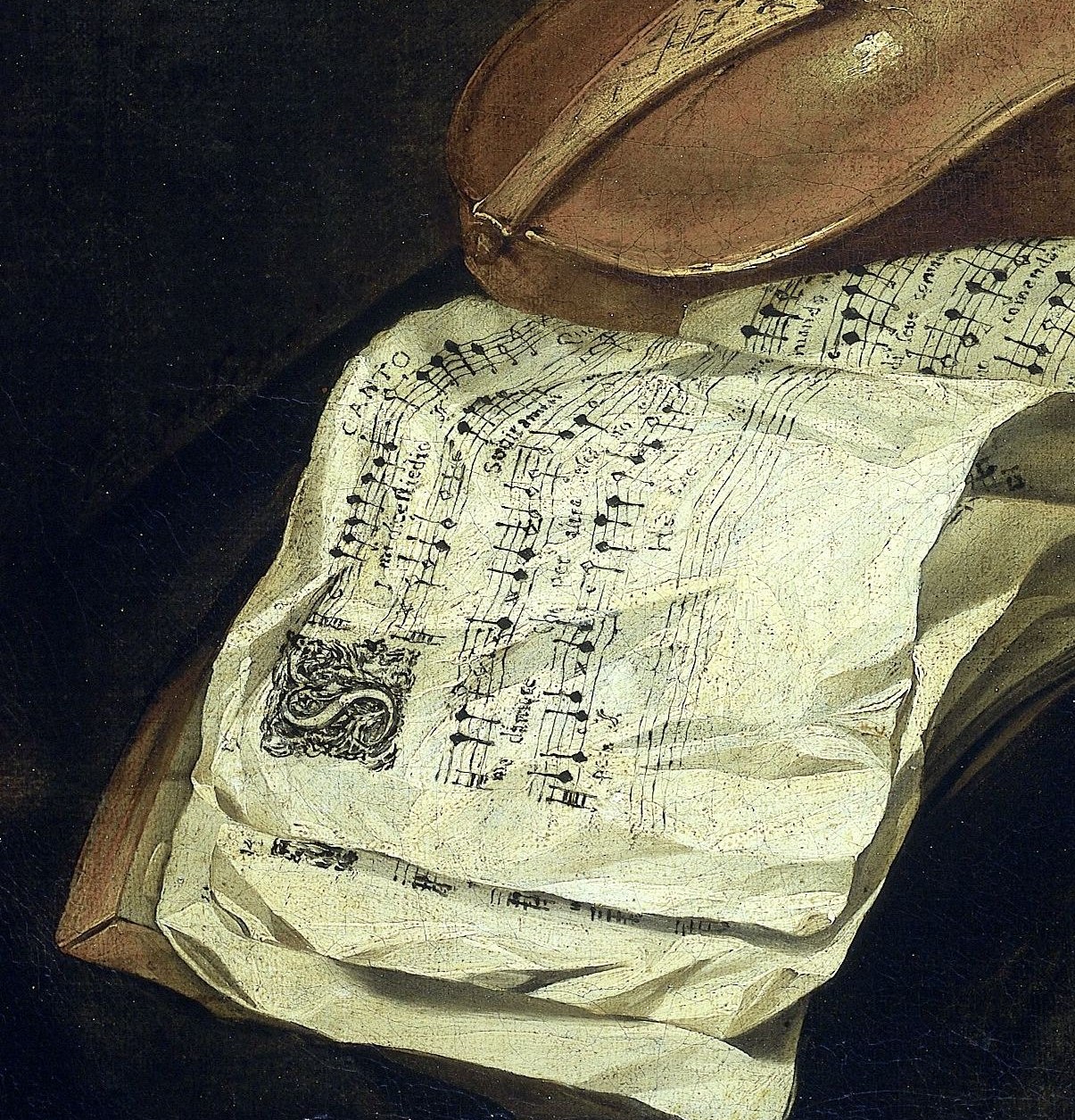
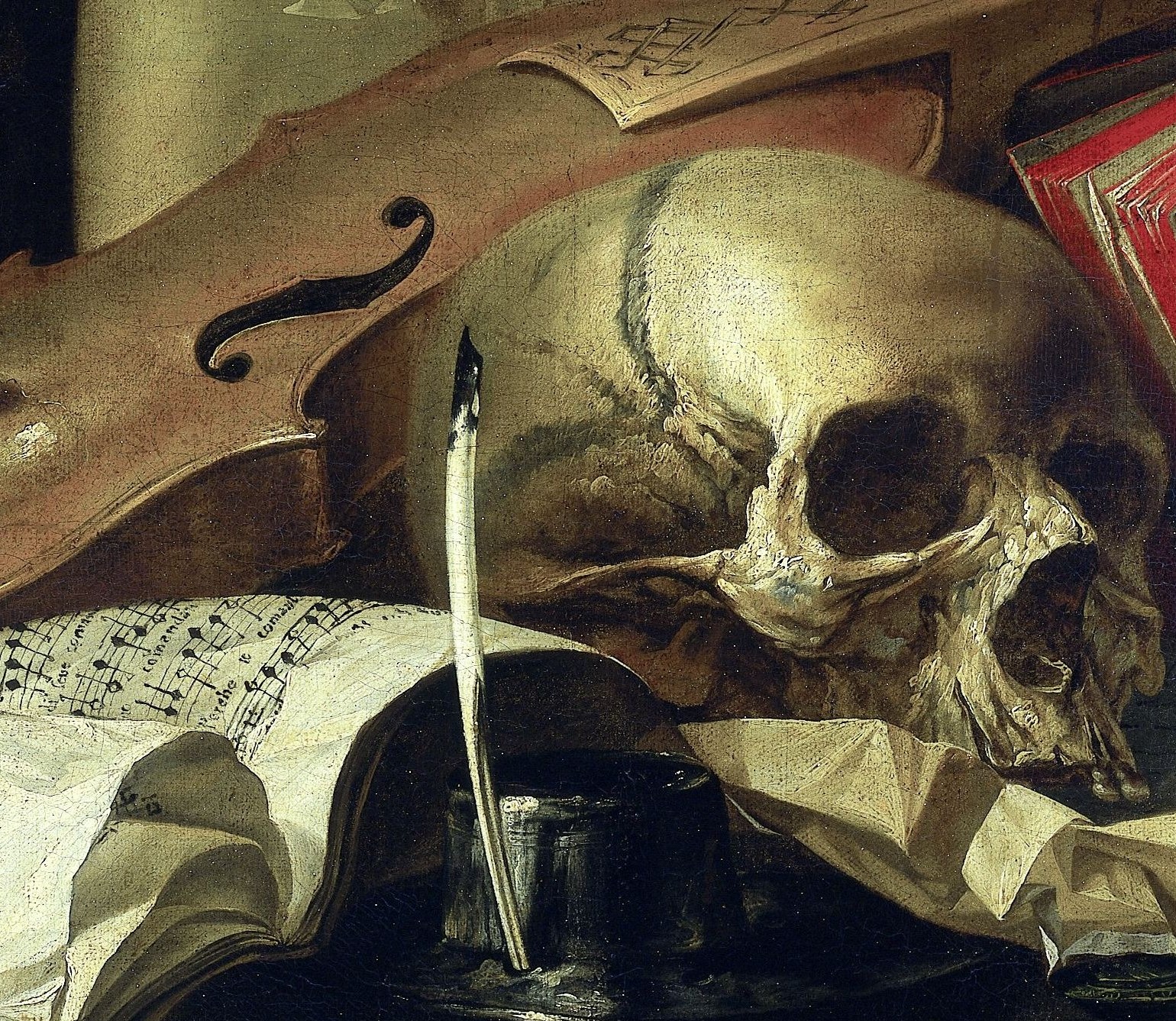
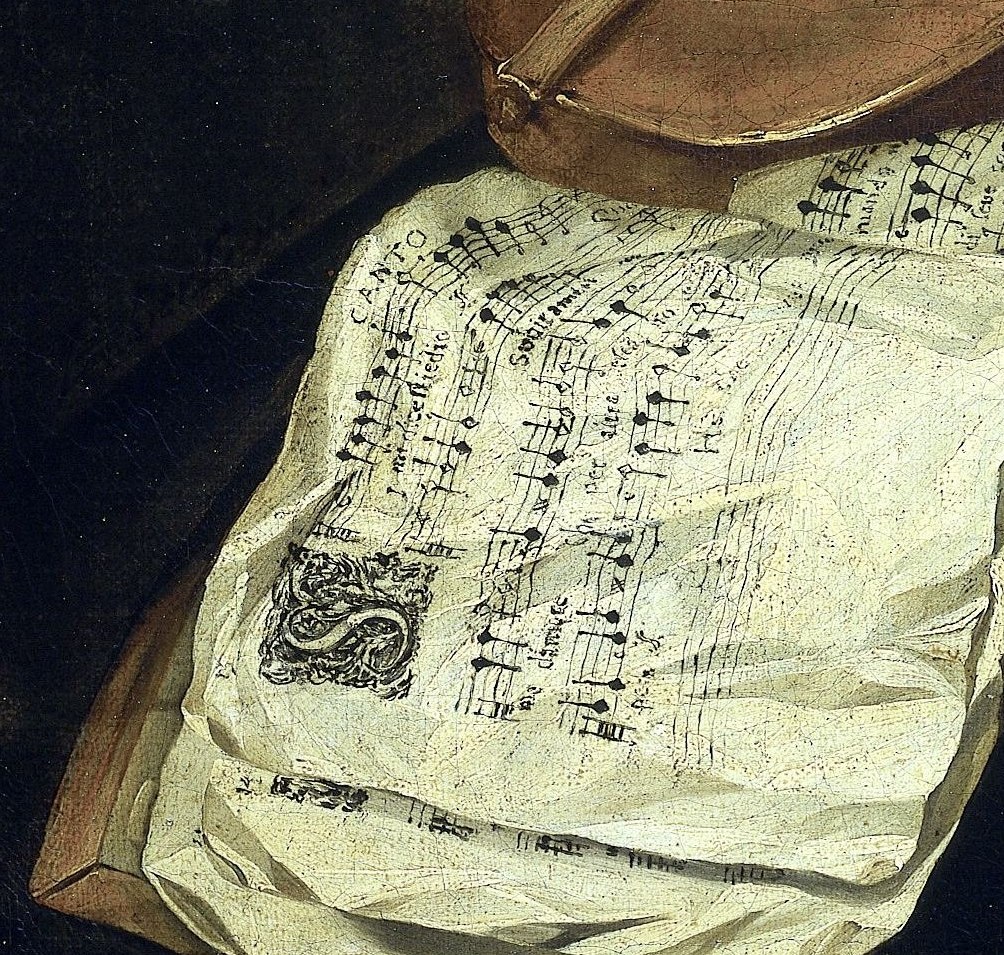
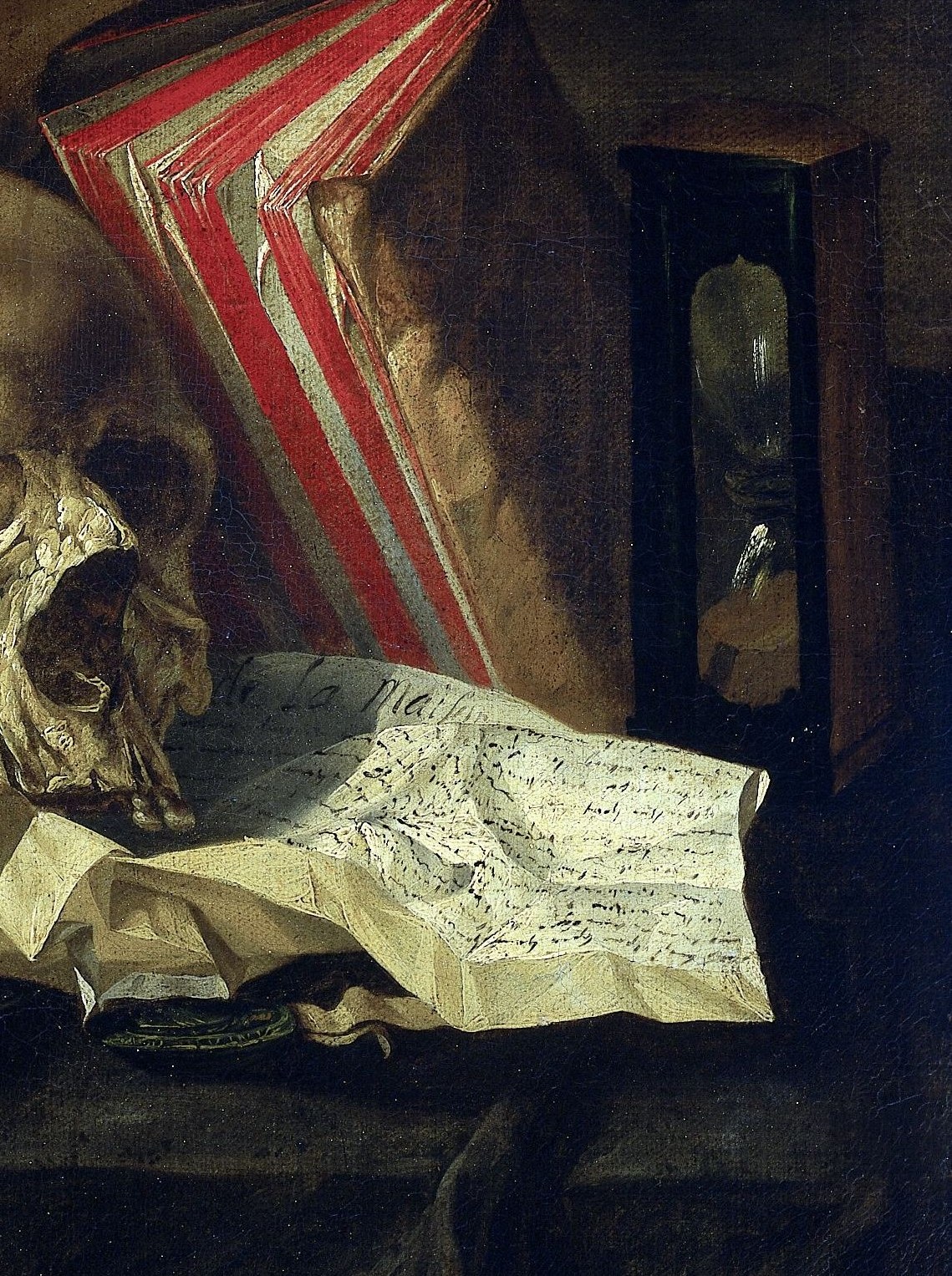
Look for the skull. It sits partially obscured beside the crown, the painting's quietest and most devastating detail. The open Latin folio, still legible, represents human knowledge abandoned mid-pursuit. The globe, a triumph of 17th-century cartography, is reduced to a desktop ornament. Collier rendered every texture, metal, paper, cloth, with the virtuoso technique that defined Dutch Golden Age still life, then used that skill to argue that skill itself is fleeting.
Collier (1642-1708) was a Dutch painter who built his career on vanitas and trompe-l'œil, paintings designed to fool the eye while reminding you of your mortality. This work belongs to a genre that flourished in Protestant Holland, where Calvinist theology and enormous mercantile wealth created an anxious relationship with possessions. You could have everything, the paintings say, and still have nothing.
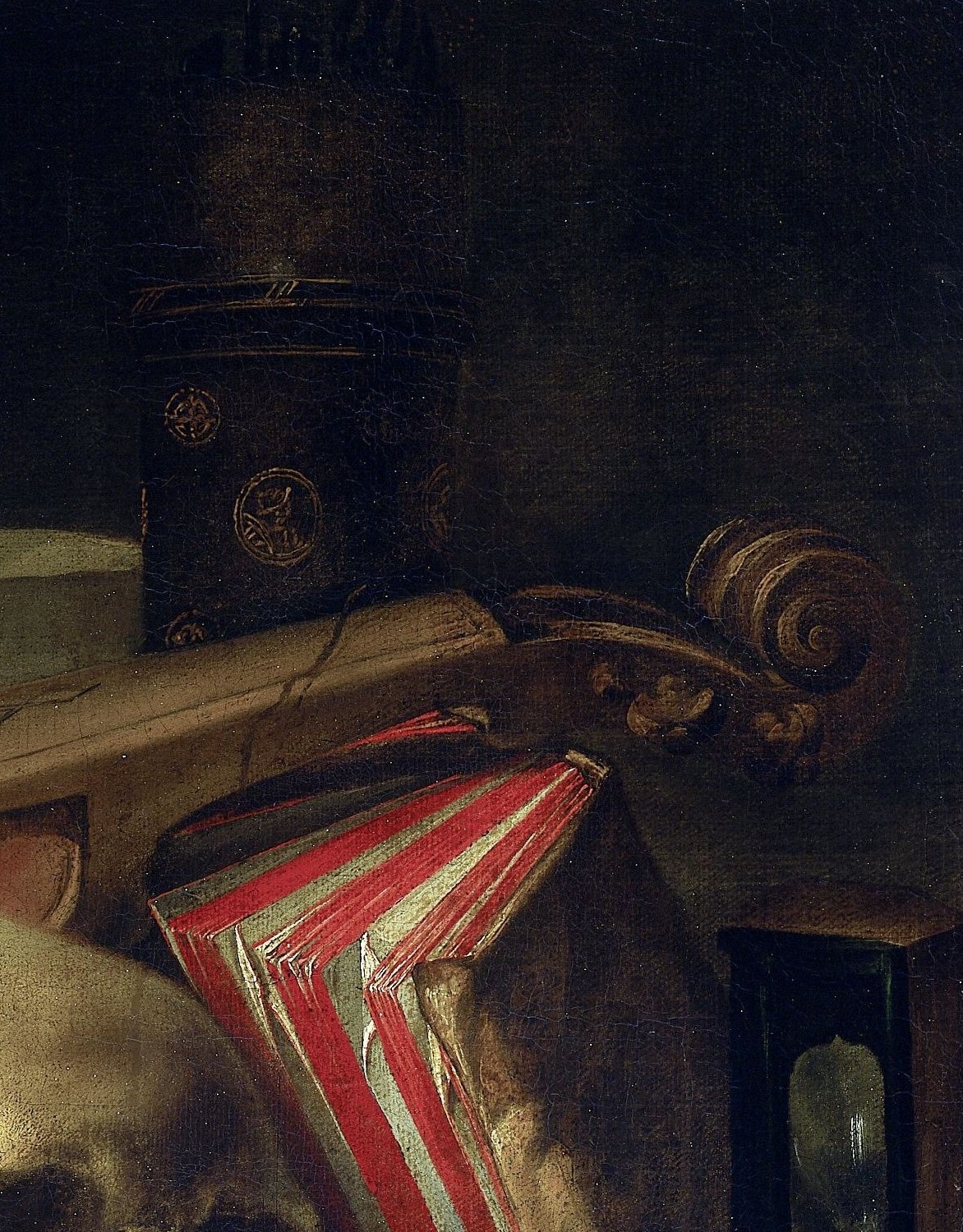
The painting rewards a slow, deliberate look. Notice the draped cloth at the table's edge, the dark shape in the upper-left corner, and the small ring beside the crown. Every tier of possession, from kingdom to finger-ring, is declared equally futile.
Details
Transcript
Every object in this painting is a boast. And a warning. The globe, the gold chains, the jeweled crown, all of it, futile. You can still read the open book. A lifetime of learning, set down mid-sentence. The painter was Evert Collier. He specialized in this exact lesson. He called it 'Vanitas', a still life that tells you time wins. Under the papers and the crown: a skull, half-hidden. Death needs no throne.