Bouwterrein by George Hendrik Breitner
George Hendrik Breitner's "Bouwterrein" (Construction Site) from 1901, held at the Rijksmuseum, captures a raw, fleeting moment of urban change in Amsterdam. Breitner, a key figure in Amsterdam Impressionism, was deeply interested in documenting the everyday life and atmospheric effects of his city.
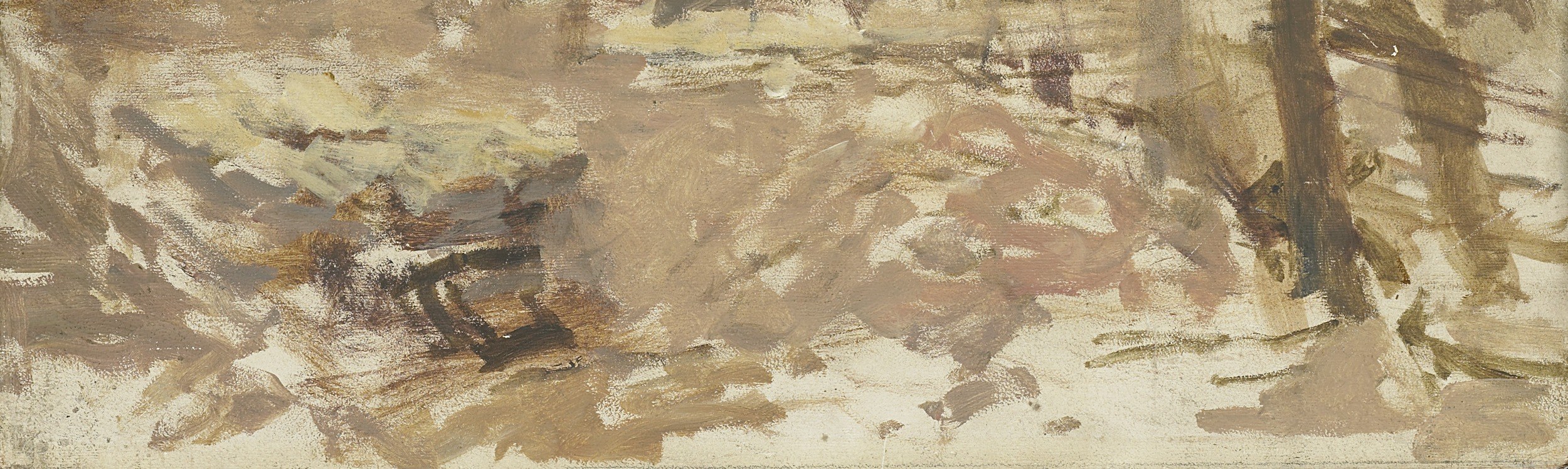
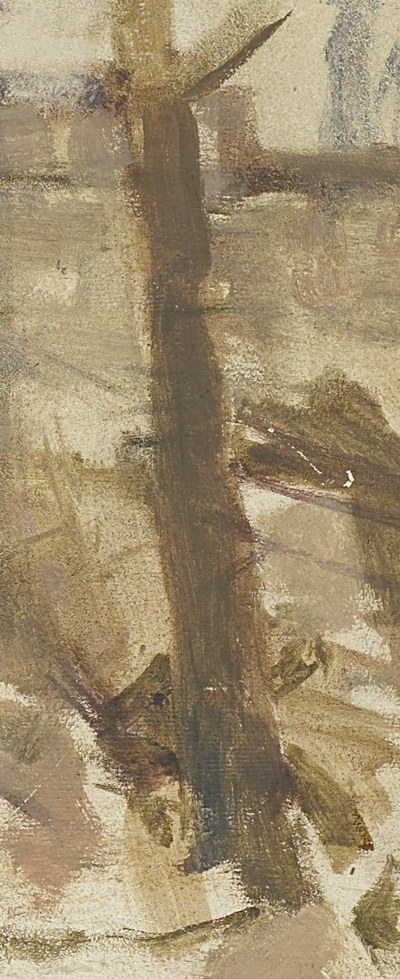
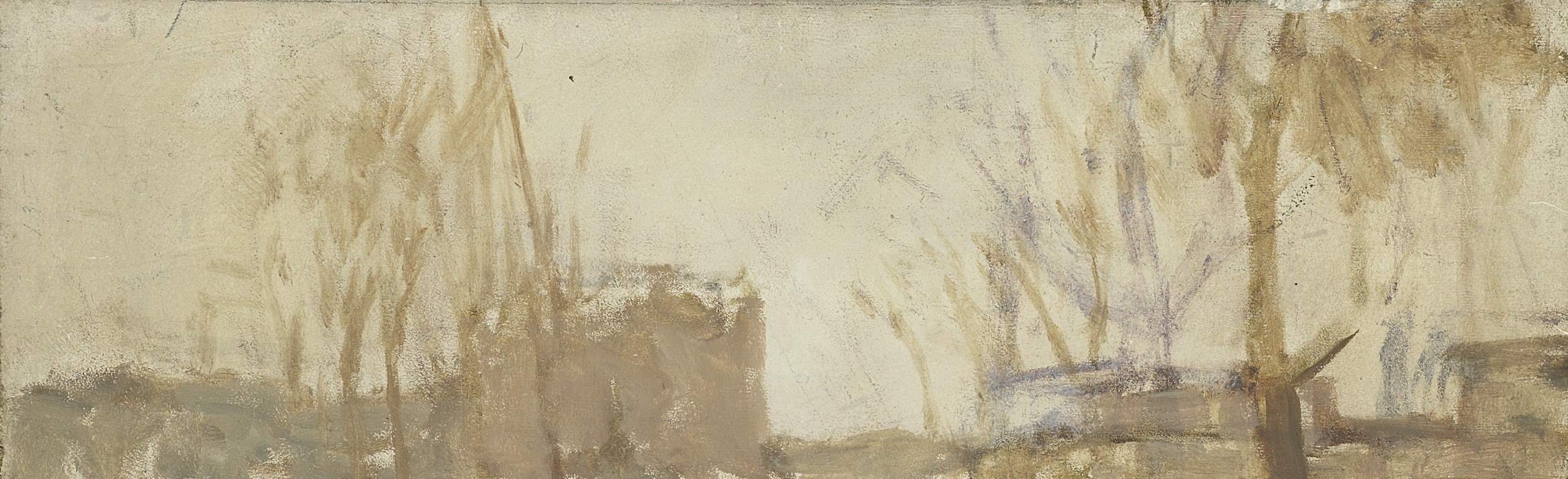
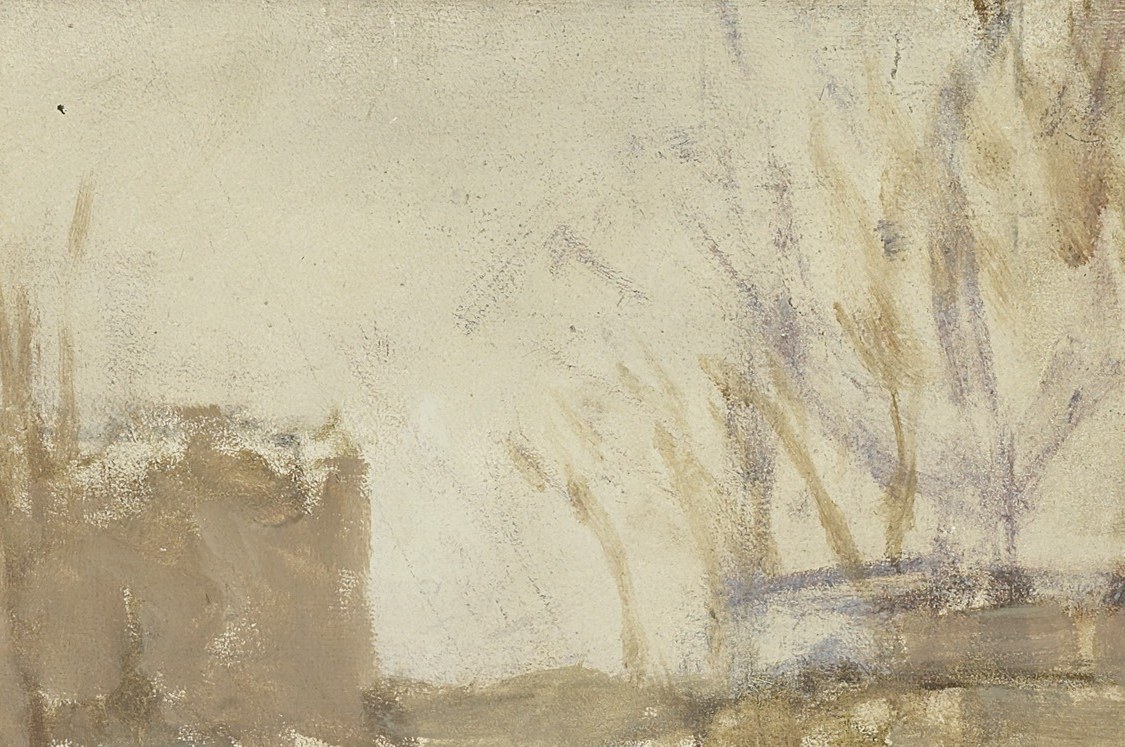
Notice the energetic, loose brushwork that conveys the chill of the snow-covered ground and the skeletal beauty of the bare trees. The muted palette perfectly captures the diffused light of a winter's day.
Breitner often painted en plein air, directly observing and depicting his surroundings. He also used photography to gather reference material, reflecting his commitment to realism and his fascination with how the city evolved around him.
What details do you notice that speak to a moment in time, both specific and universal?
Details

Transcript
This painter was known for documenting his changing city. He walked the streets, capturing daily life and construction sites. The snow on the ground shows the loose, expressive brushwork. This was painted en plein air, or outdoors, in a single session. He used photography to capture street life as reference material. He captured the cold, muted light of a winter day in Amsterdam.