The Flood Gate by Emile van Marcke
Emile van Marcke, a Barbizon School painter, was celebrated for his naturalistic depictions of cattle and rural life, as seen in his 1868 work, *The Flood Gate*, now at The Metropolitan Museum of Art.
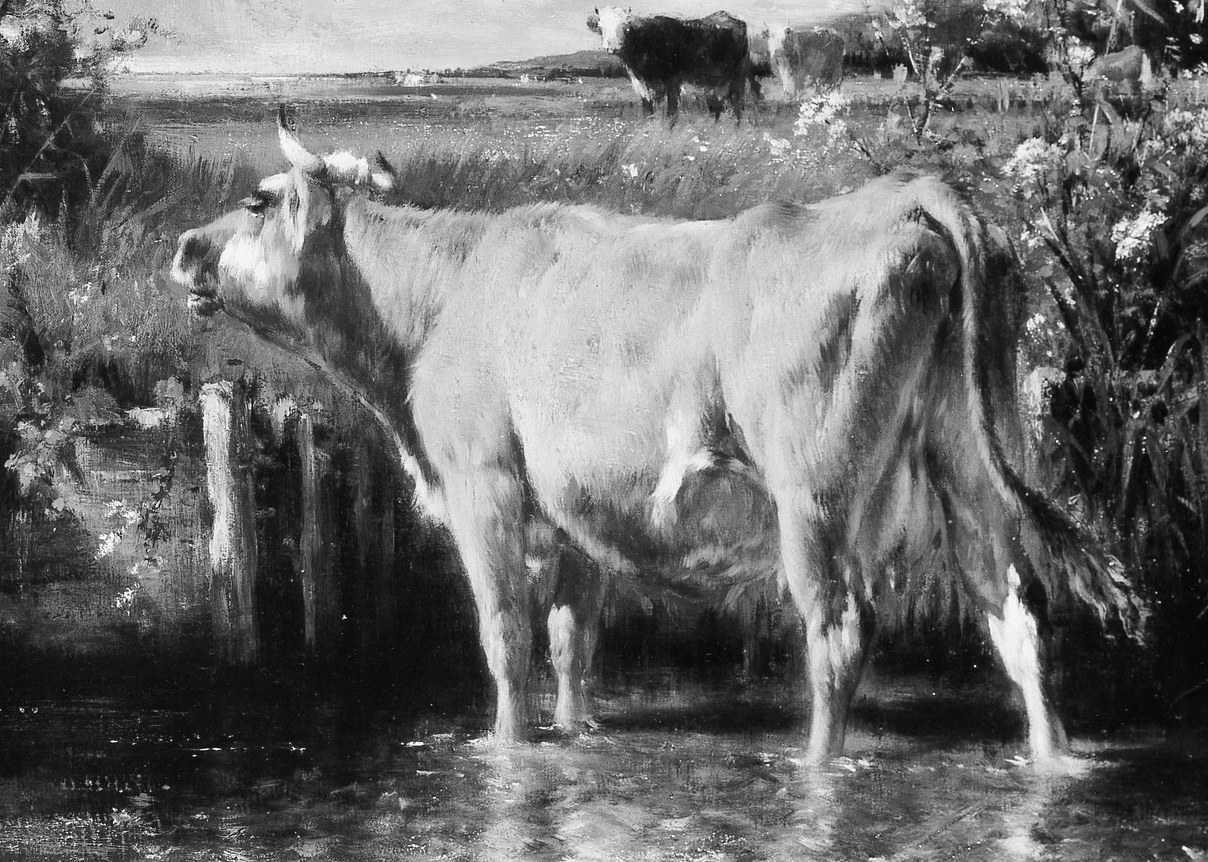
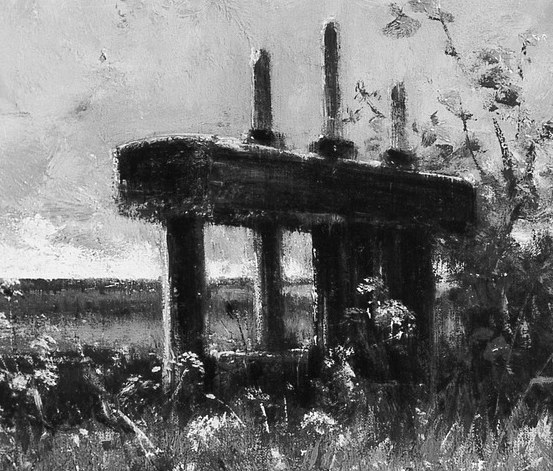
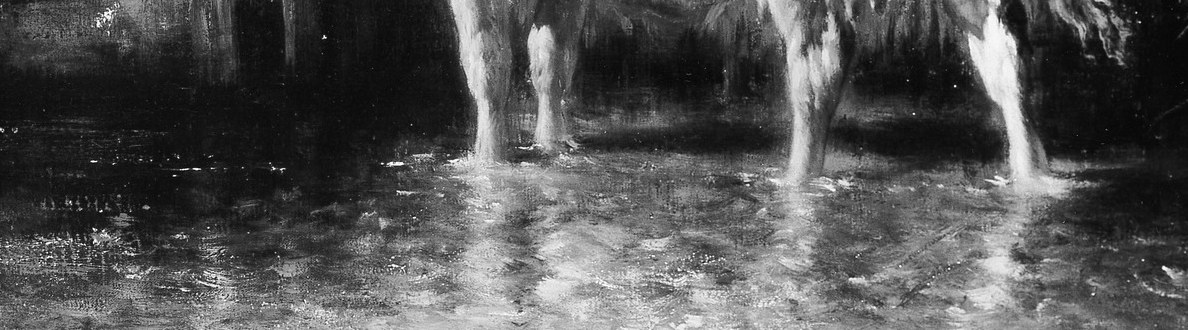
This painting transports us to rural France in 1868. Observe the central cow, a cornerstone of agricultural life, calmly drinking from the shallow water. Beyond, notice the essential wooden flood gate, a structure vital for managing water and protecting fields from seasonal floods.
Van Marcke focused almost exclusively on cattle throughout his career, often painting them directly from nature. This approach allowed him to capture their forms and their place within the landscape with great authenticity.
His work, deeply rooted in the Barbizon School's embrace of nature, reminds us of the profound connection between land, livestock, and livelihood in 19th-century rural life.
Details
Transcript
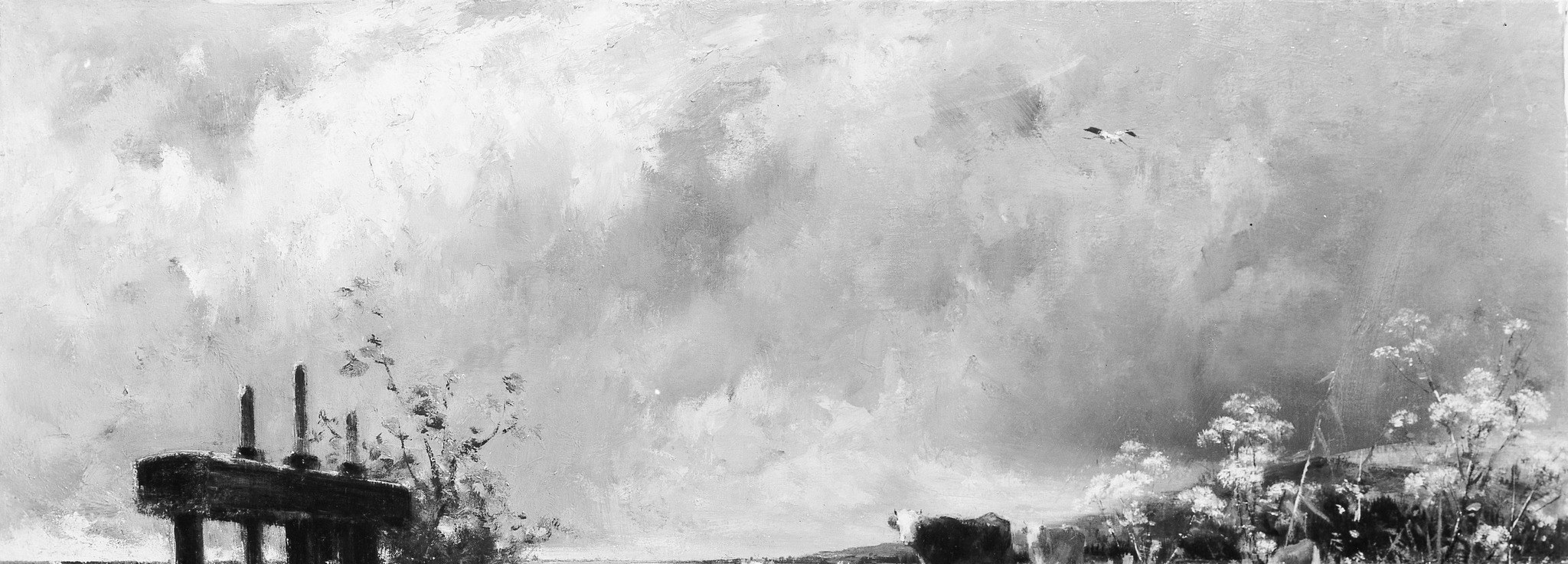
Rural France, 1868. Life depended on the land. This cow, a symbol of livelihood, drinks from the shallow water. The painter was known for his love of cattle. To manage water, these flood gates were essential. They kept fields from flooding in the rainy season. The sky above signals a changing atmosphere.