Portrait of a Gentleman Wearing a Fancy Ruff by Keyser, Thomas de
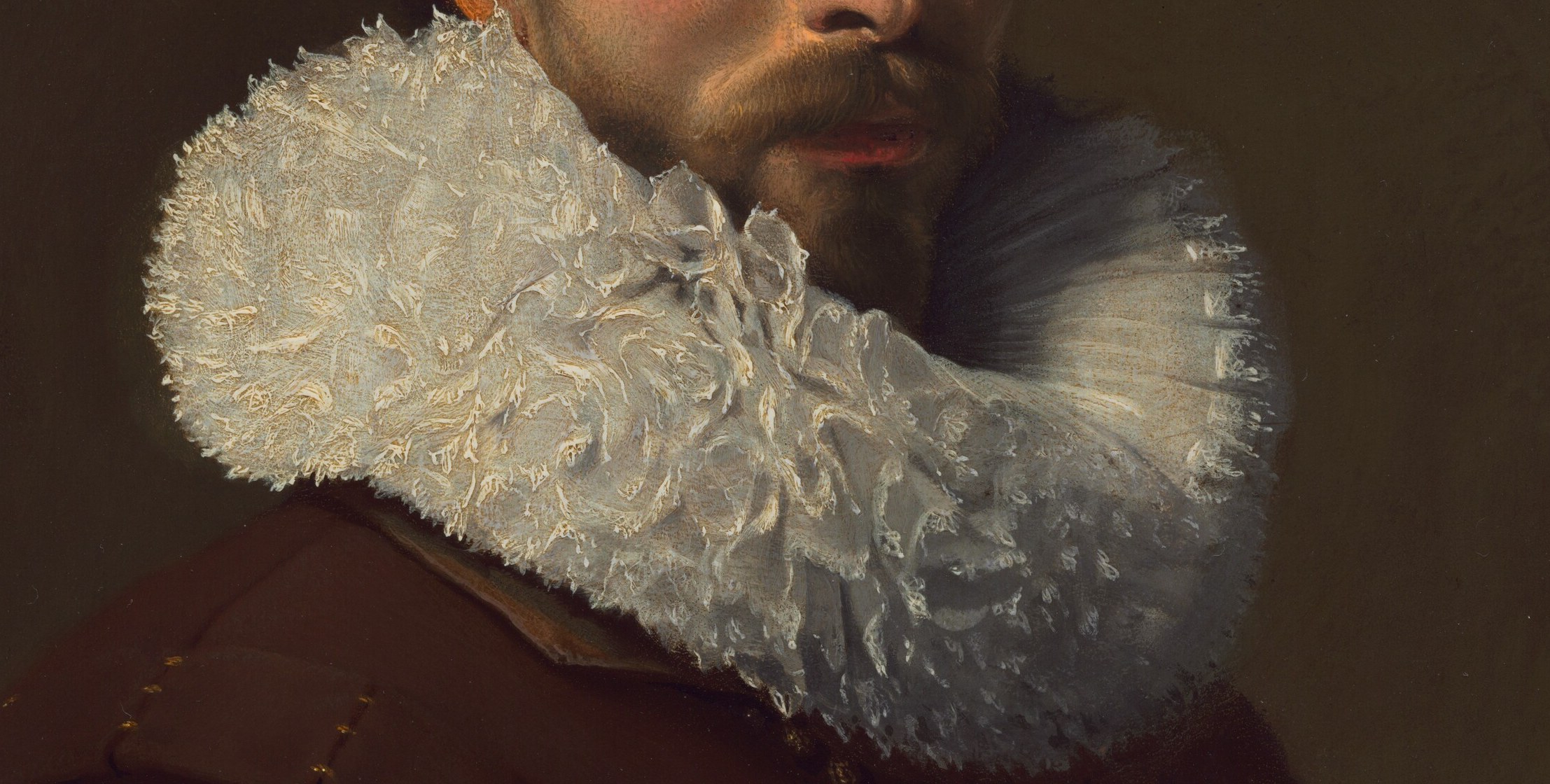
This is Thomas de Keyser's "Portrait of a Gentleman Wearing a Fancy Ruff," painted in 1627 on copper. The sitter's identity is lost, but his social standing is not. Every detail here is a deliberate status signal that would have been read instantly in 17th-century Amsterdam.
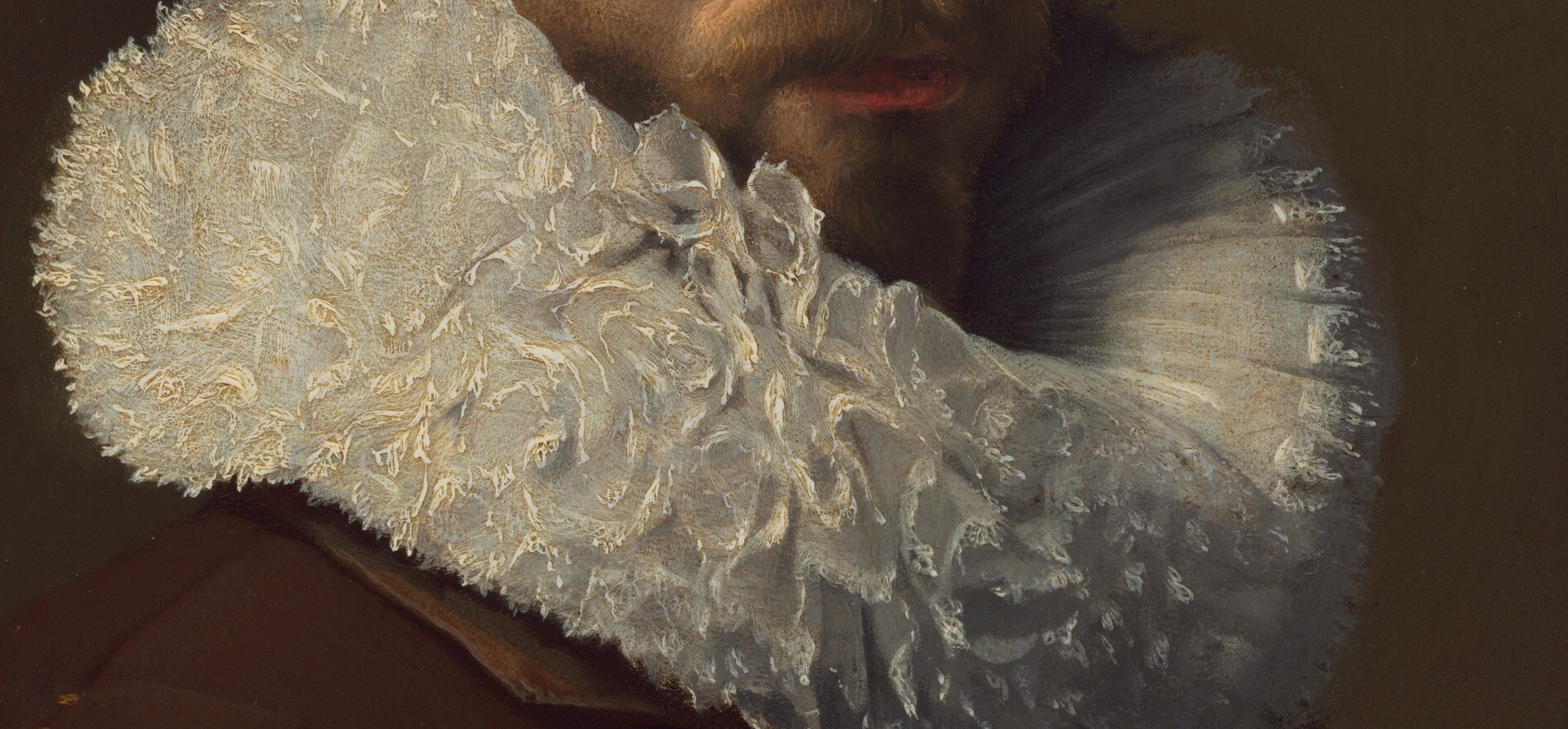
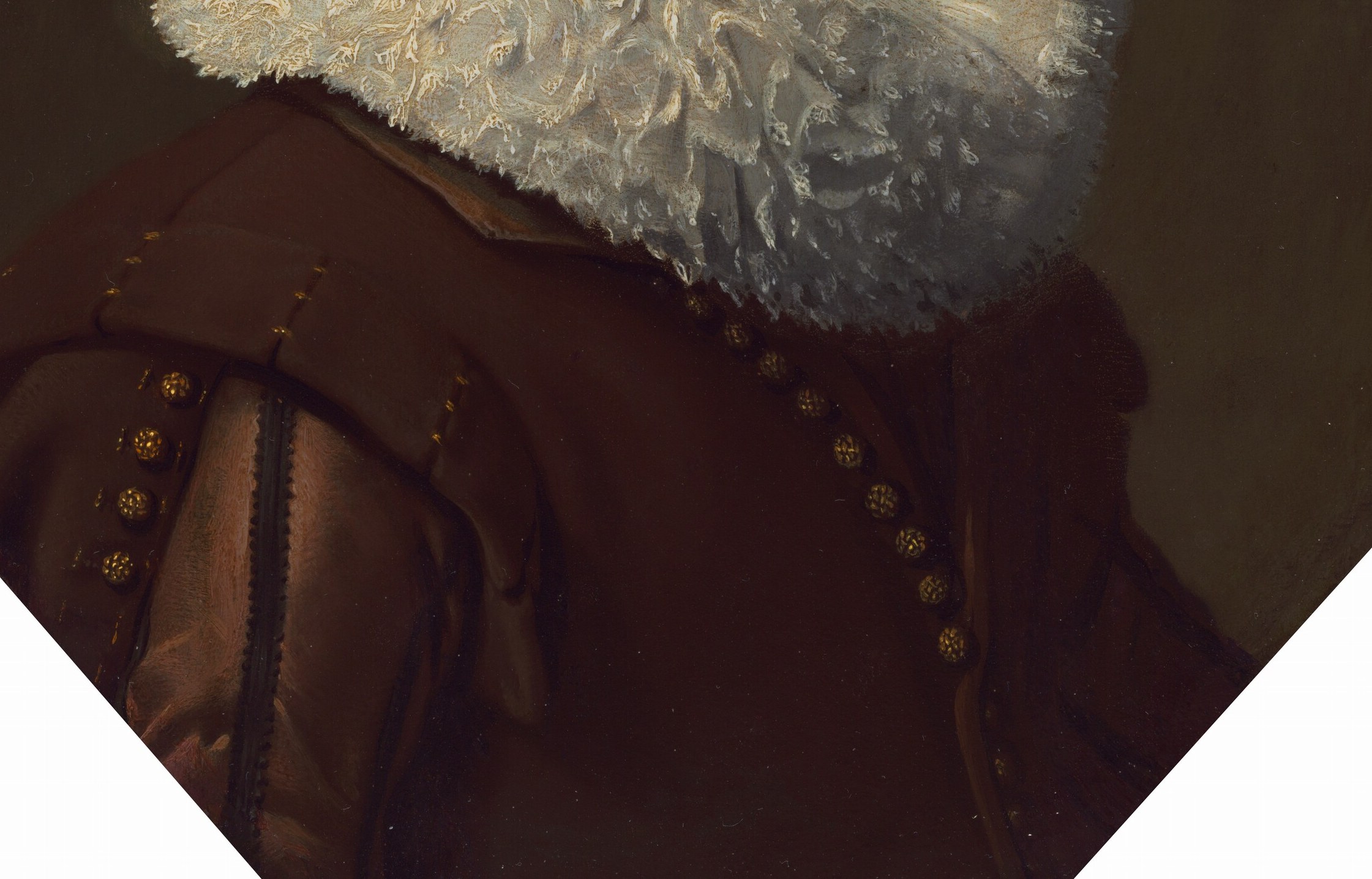
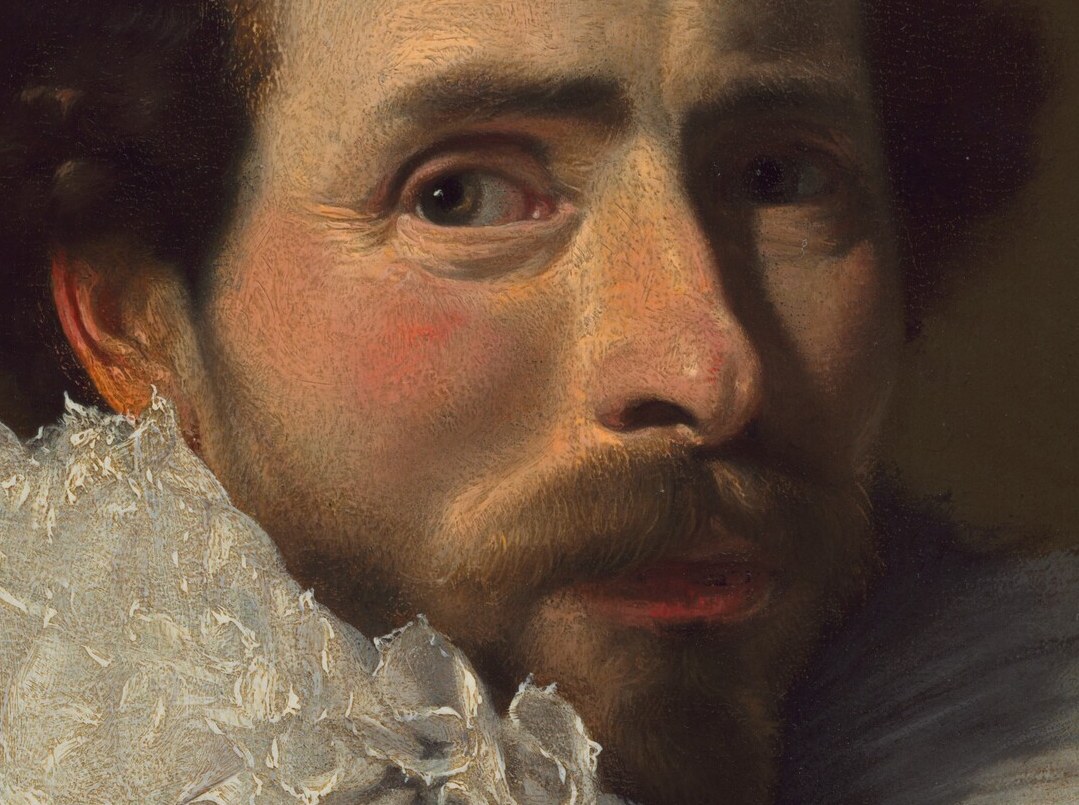
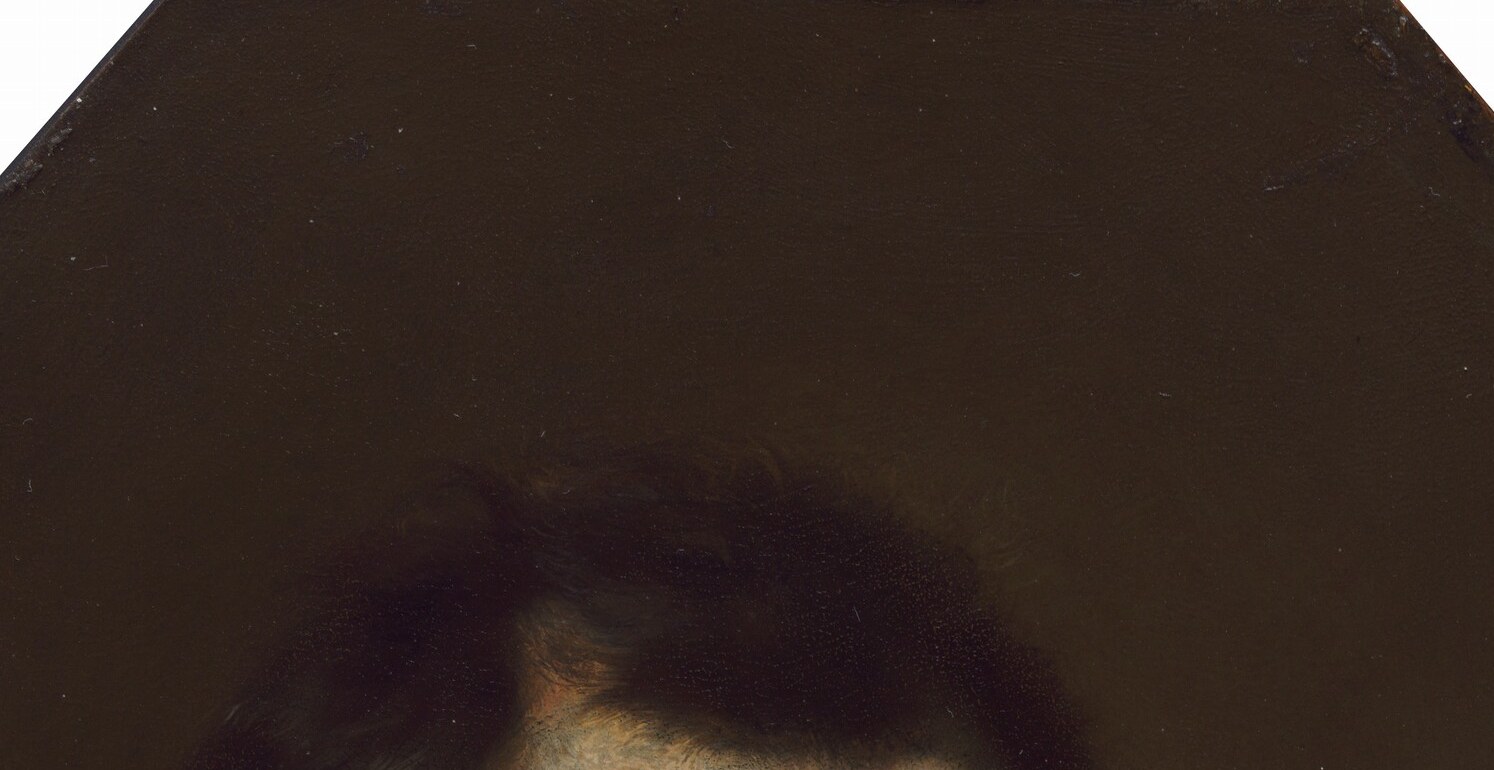
Look at the ruff. It is not just large; the individual lace threads are legible, a display of the painter's miniaturist precision on copper and of the sitter's ability to afford this textile. The cut of the dark doublet and the shape of the pointed beard and upturned mustache pin him to a specific window: the late 1620s. His hair, curled above the ears but not flowing, marks him as a prosperous burgher rather than an aristocrat.
De Keyser was the leading portraitist in Amsterdam before Rembrandt arrived and changed the market. He painted on copper for its luminous finish, and many of his works were later reattributed to Rembrandt himself. This piece, with its octagonal format, was meant for a private cabinet, viewed up close by people who understood the code.
He looks directly at us with the calm authority of a man who has paid for the best and knows we can see it. What do you notice first when you meet his eyes?
Details
Transcript
His ruff does not just say wealth. It says 1627, Holland, and serious money. The cut of his doublet anchors him firmly in the 1620s. His upturned mustache and pointed beard were the fashion of a young merchant. A courtier would wear his hair longer. His says burgher. Painted on copper for jewel-like precision, it was a cabinet picture, not a public statement. Every thread places him. His direct gaze says he knows it.