The canal at 's-Graveland by Pieter Gerardus van Os
View the artwork: The canal at 's-Graveland →
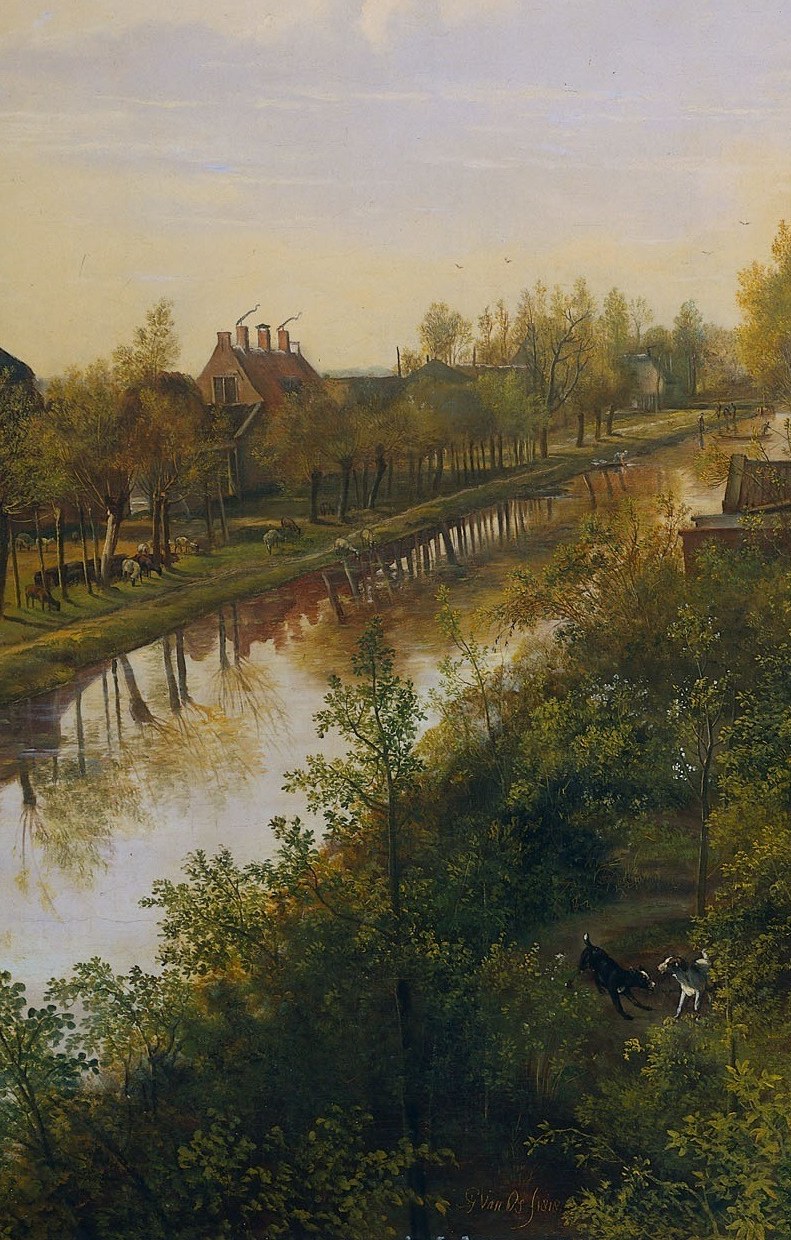
This is "The canal at 's-Graveland" (1818) by Pieter Gerardus van Os. The painting captures a quiet stretch of working Dutch countryside east of Amsterdam. The grand brick farmhouse and mirror-calm canal are what the eye settles on first. But the painting's real heart is something most viewers scroll straight past.
Look at the left bank, behind the small waterside shed. Van Os has tucked a flock of grazing sheep into the shadows there. At normal viewing distance they are nearly invisible, just a handful of pale brushstrokes among the reeds and bushes. A slow look reveals them: a tiny pastoral scene hiding in plain sight.
Van Os came from a family of artists and trained by copying 17th-century Dutch masters, especially Paulus Potter, the great painter of cattle. Animals were his obsession. In 1808 he won a prize from King Louis Bonaparte for the best landscape at the first public exhibition of Dutch contemporary art. The winning work was a hilly landscape filled with cattle. He supported himself early on painting portrait miniatures, but his real love was always animals in a landscape.
Every painter leaves a signature. Sometimes it is not a name in the corner but a favorite subject, tucked where only the patient will find it.
#arthistory #dutchpainting #landscapepainting
Details
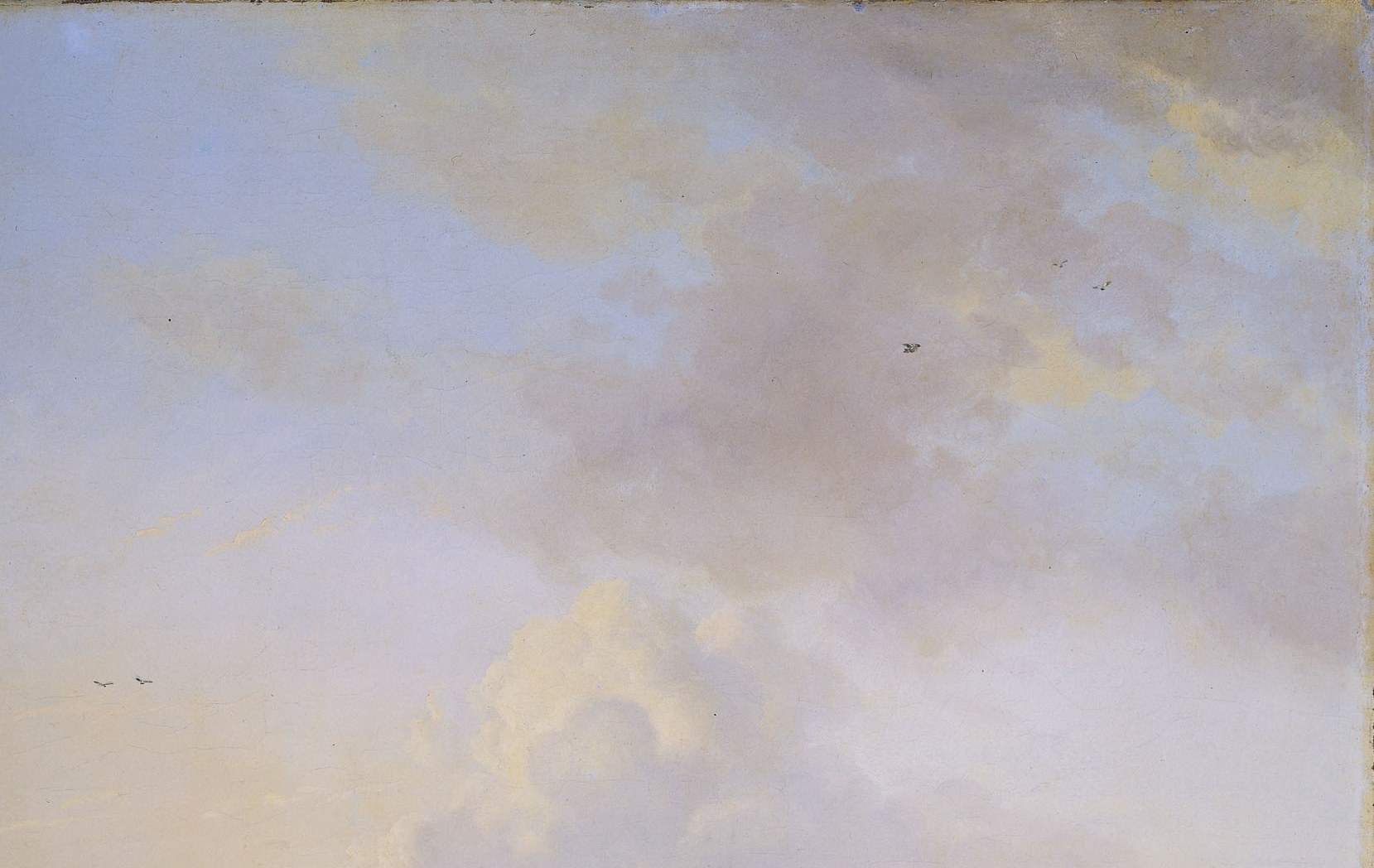
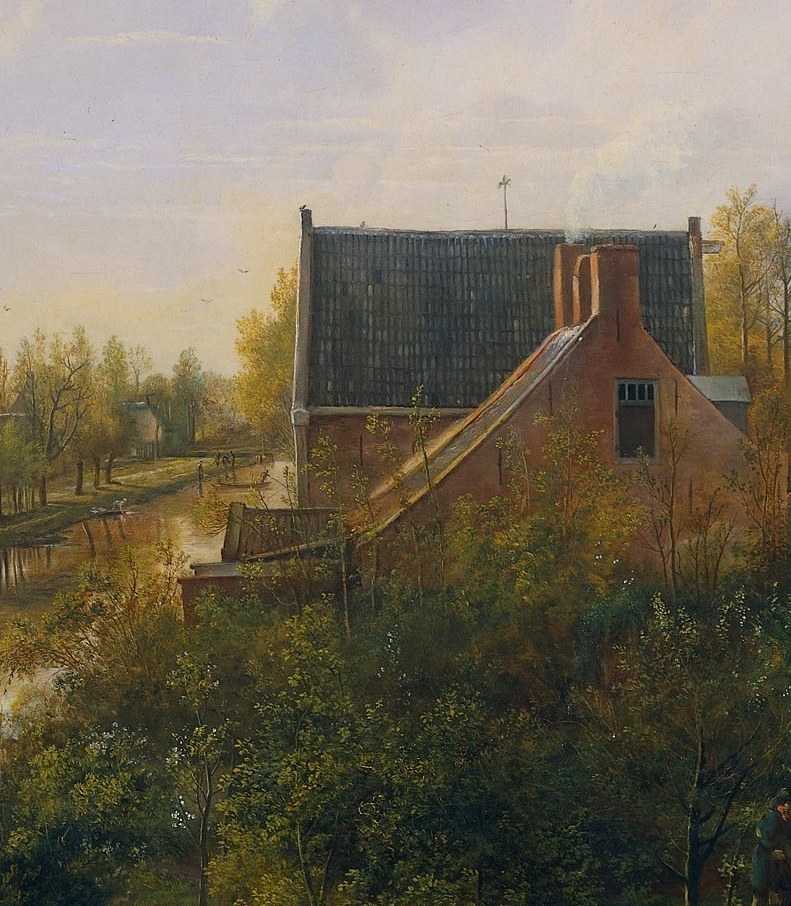
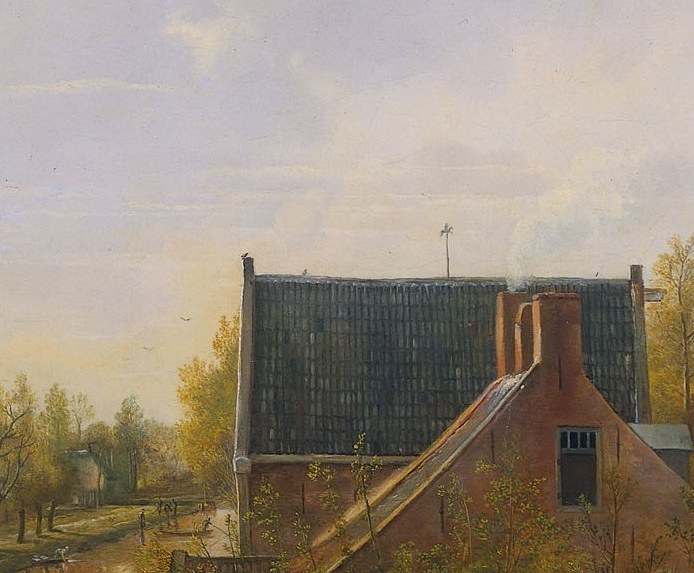
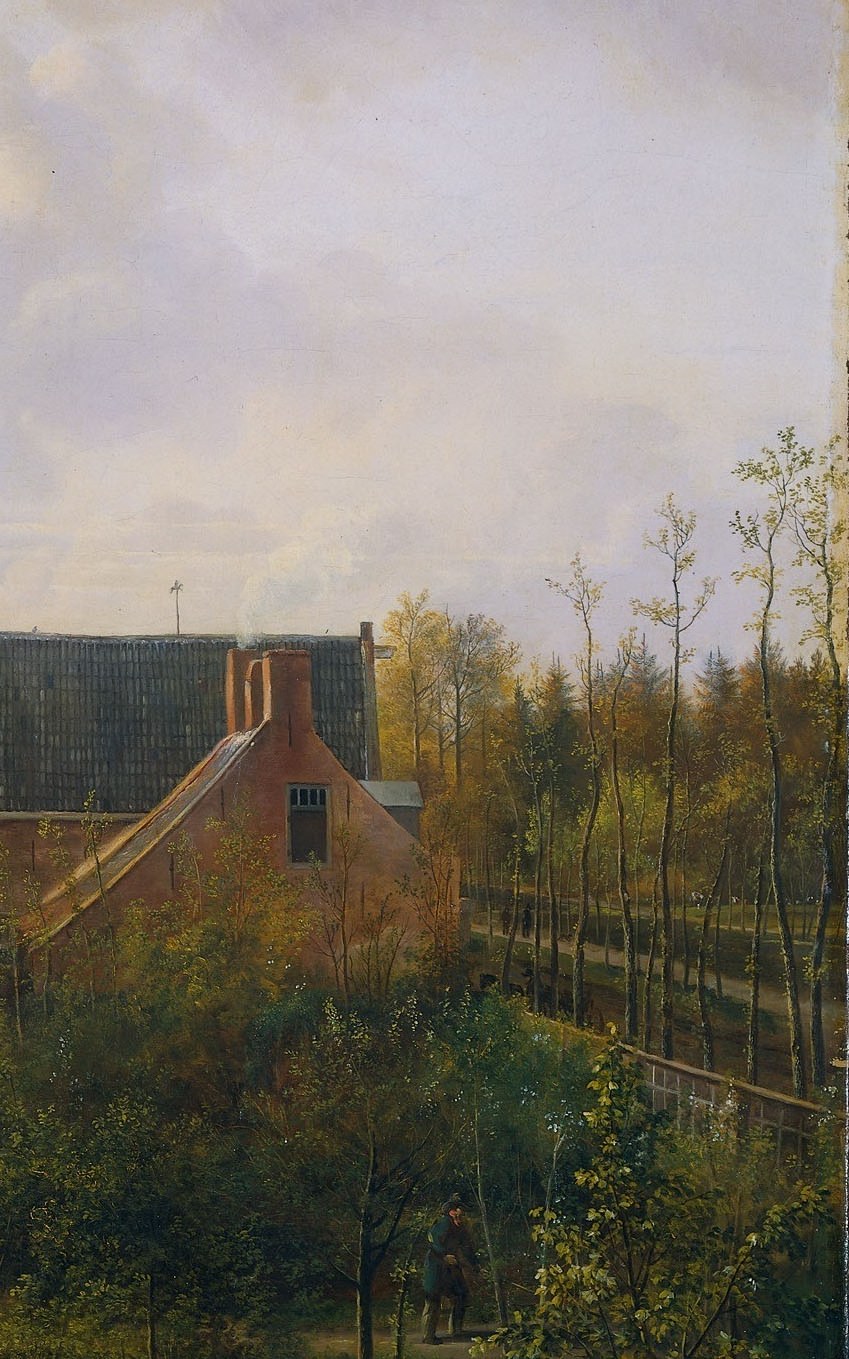
Transcript
A solitary rider passes a grand Dutch farmhouse. The canal is a mirror, doubling the late-afternoon sky. The rider has a destination. This is worked land, not a park. Tucked behind that modest wooden shed, something moves. A flock of sheep, barely bigger than brushstrokes. Van Os won a prize from King Louis Bonaparte for his cattle scenes. He hid his favorite subject in the corner of a canal scene.