Autumn Uplands by Bruce Crane
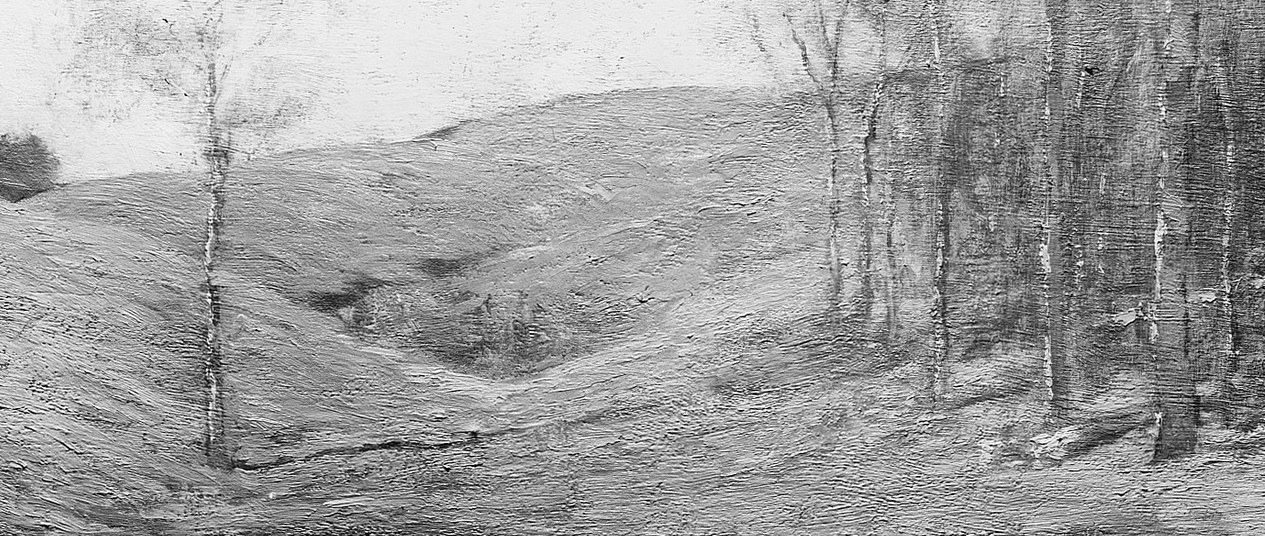
Bruce Crane's 'Autumn Uplands' (1908) at the Florence Griswold Museum exemplifies American Impressionism. Crane was celebrated for his muted fall and winter landscapes, often working from memory in his studio after extensive outdoor sketching.
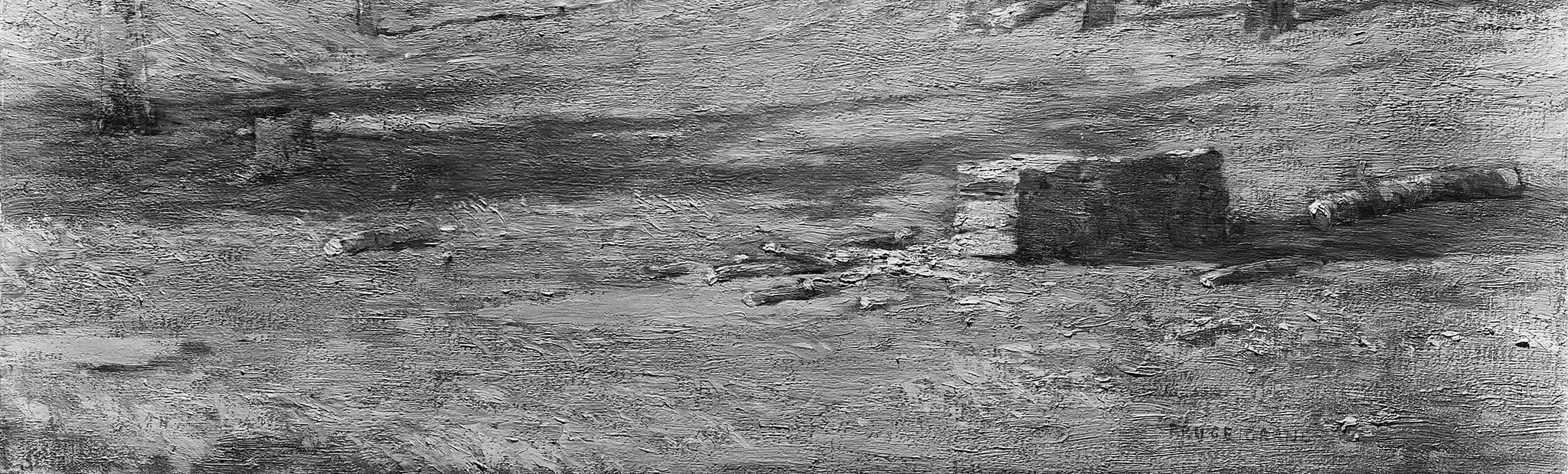
This painting invites a closer look, especially at the foreground. Hidden within the rich, shadowed texture, you can discover the artist's subtle signature, a testament to his hand at work.
Crane developed his distinctive tonal style after studying in France, returning to settle in Bronxville, New York. His landscapes often capture a quiet, introspective mood, reflecting the transient beauty of the seasons.
What details do you find most captivating in a tranquil scene like this?
Details
Transcript
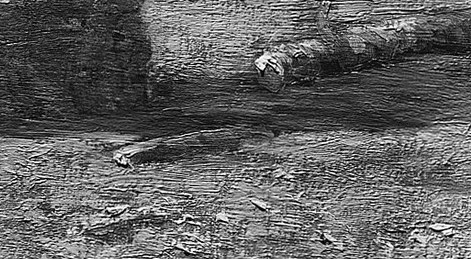
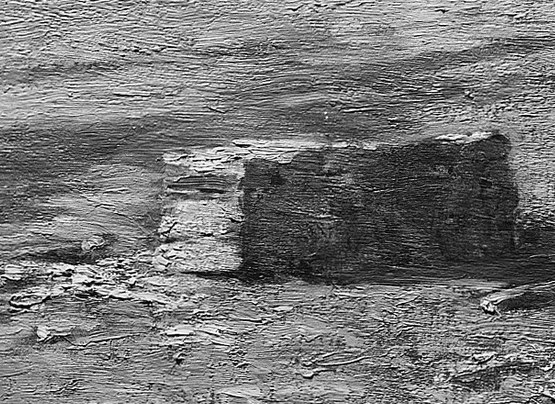
This painter was known for his quiet autumn landscapes. He worked from memory in his studio, after sketching outdoors. Look closely at the shadowed ground, near the fallen log. There, hidden in the texture, is the artist's signature. His visible brushstrokes built up the scene, full of atmosphere. Even in nature, a hint of human history remains.