Job and His Daughters by Blake, William
William Blake, a visionary artist and poet, was largely unrecognised during his lifetime. His painting, *Job and His Daughters*, created around 1800 using pen and tempera on canvas, now resides in a public collection. It is a testament to his unique style and profound symbolism.
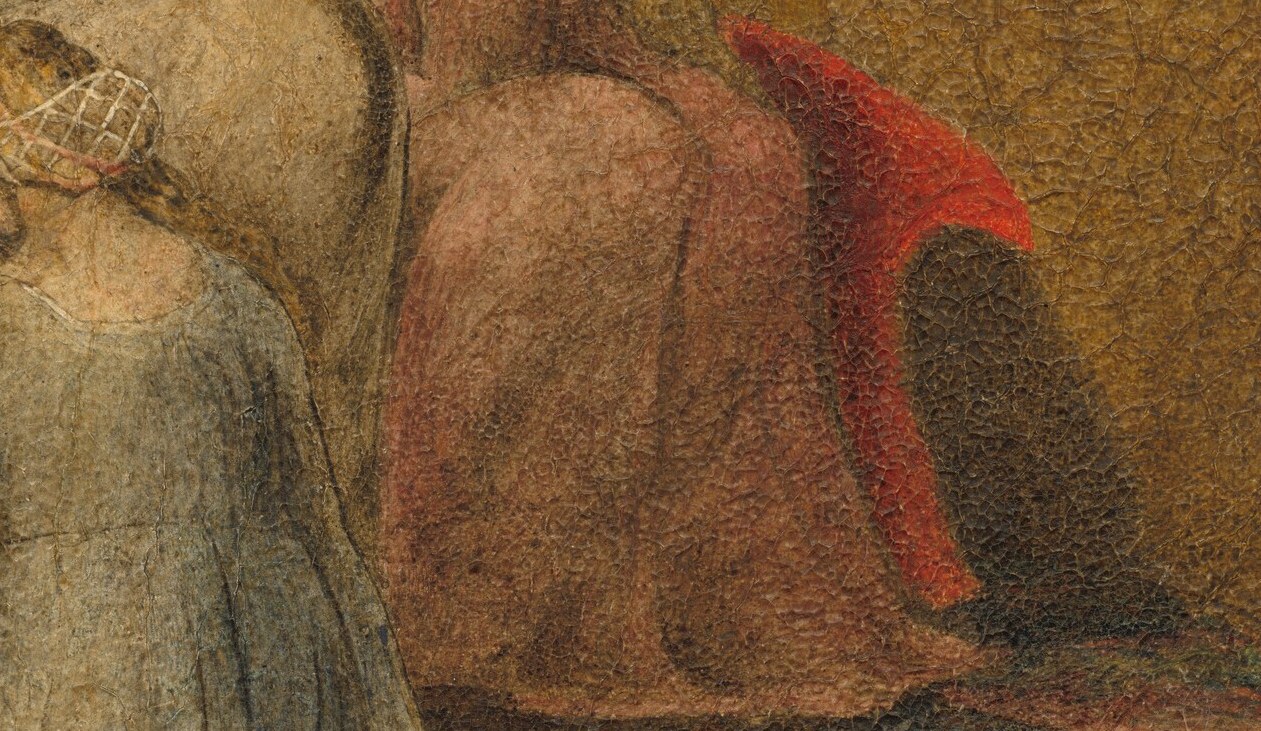
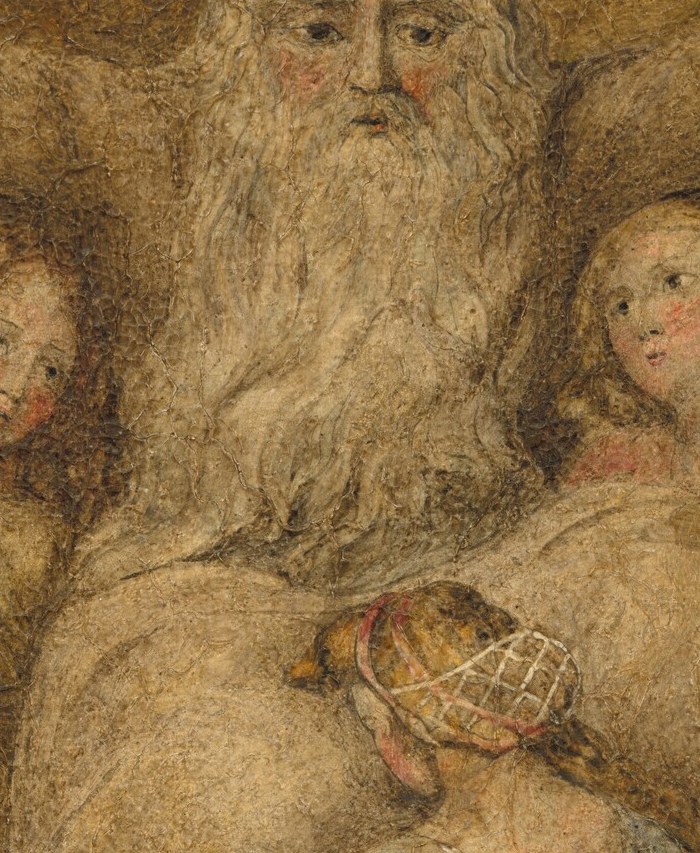
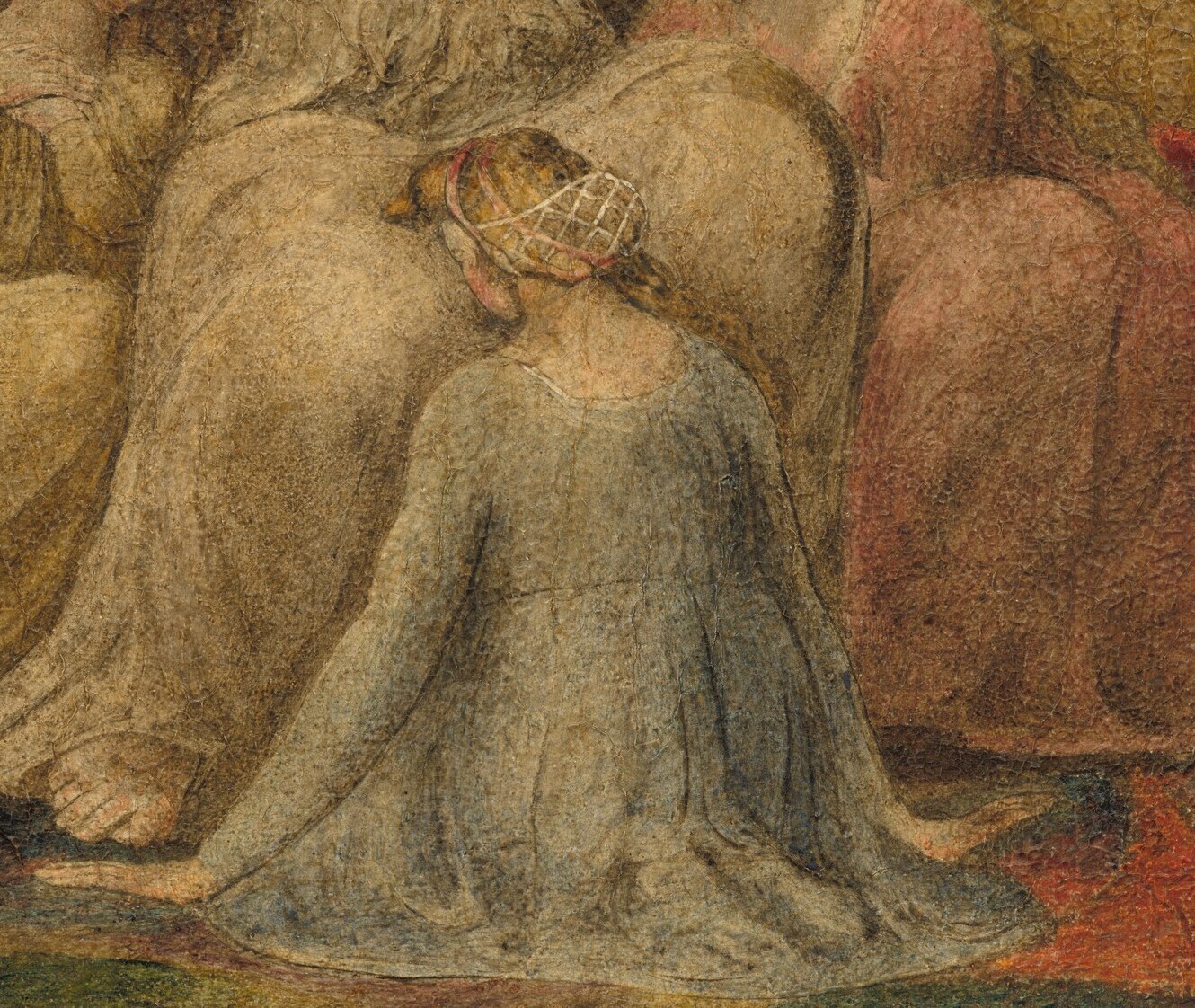
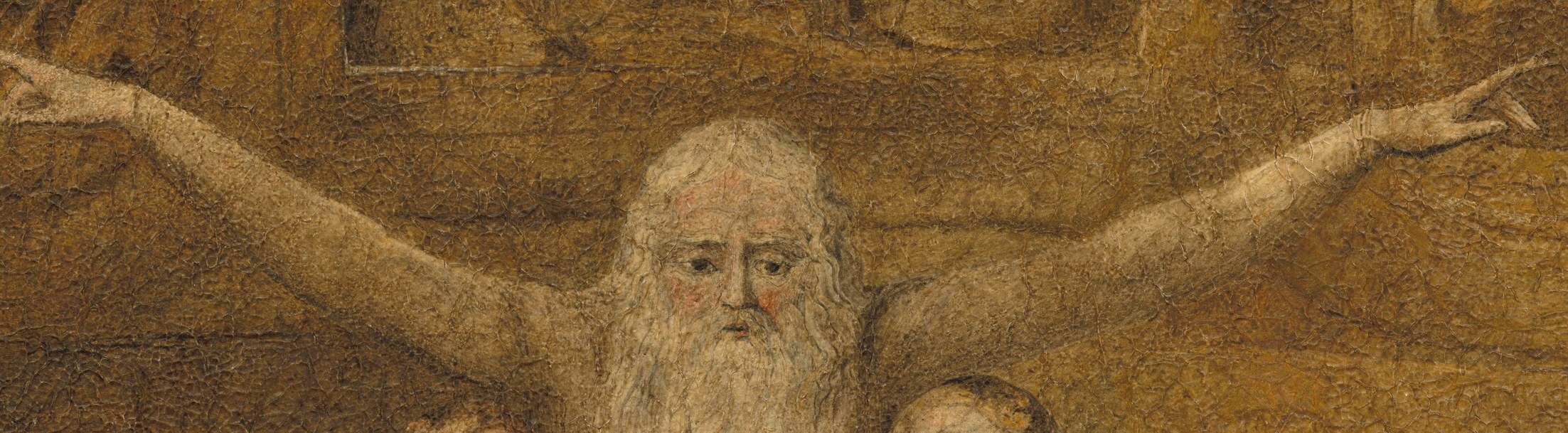
The artwork depicts the biblical patriarch Job, an elderly, bearded figure, comforted by his daughters. His outstretched arms and serene, weary expression convey resilience amidst suffering, while his daughters offer solace. The scene is rich with muted tones and precise pen work, characteristic of Blake's imaginative visual language.
Like much of Blake's extensive output, *Job and His Daughters* remained largely unnoticed by his contemporaries. It was only in the twentieth century that scholars began to reassess his contributions, elevating him to a seminal figure in Romantic art and literature. His work, once considered eccentric, now resonates for its philosophical depth and spiritual endurance.
What do you find most striking about Blake's unique approach to biblical narratives?
Details
Transcript
This painter was largely unrecognized during his lifetime. He created rich, symbolic works like this, but few noticed. Here, Job, in his suffering, is comforted by his daughters. His long white beard shows wisdom and the weight of his trials. The painting remained largely unnoticed for over a century. Only in the 20th century did scholars reassess his contribution.