A Coastal Ruin in Italy by Jan Asselijn
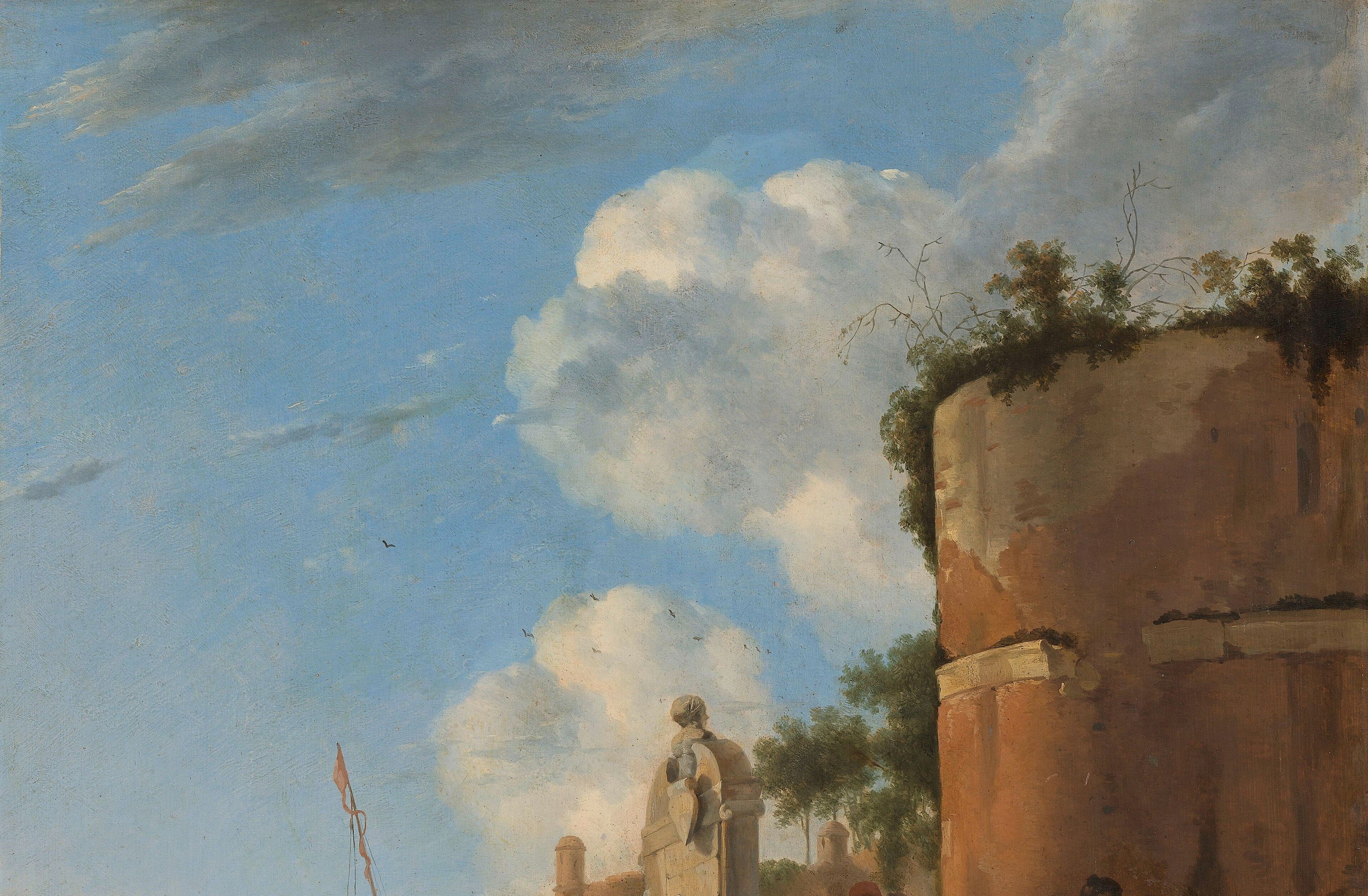
Jan Asselijn’s 'A Coastal Ruin in Italy', painted around 1650, is a stunning example of Dutch Italianate landscape painting, held at the Rijksmuseum. This work perfectly encapsulates the 17th-century fascination with classical antiquity and the romantic Italian countryside.
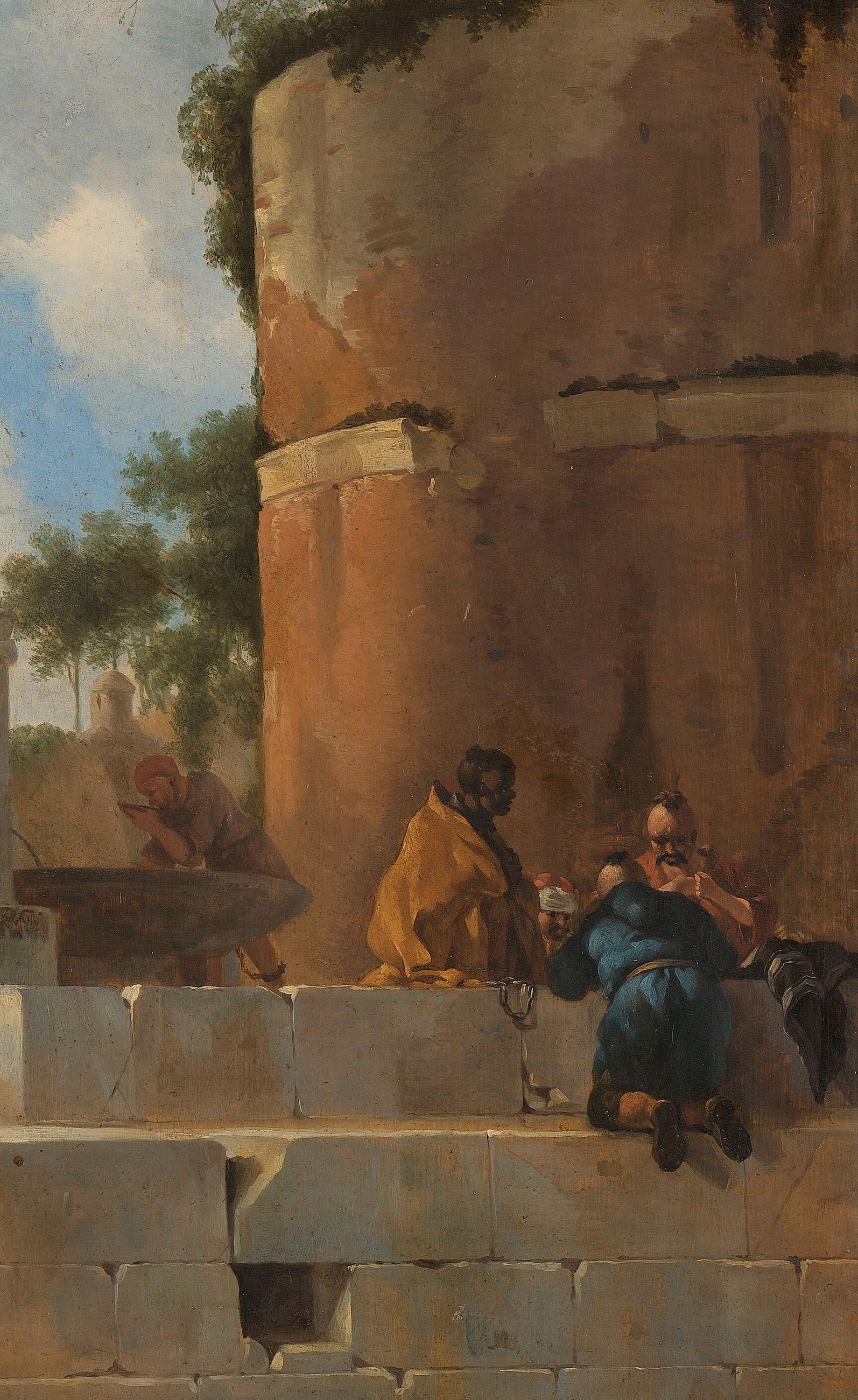
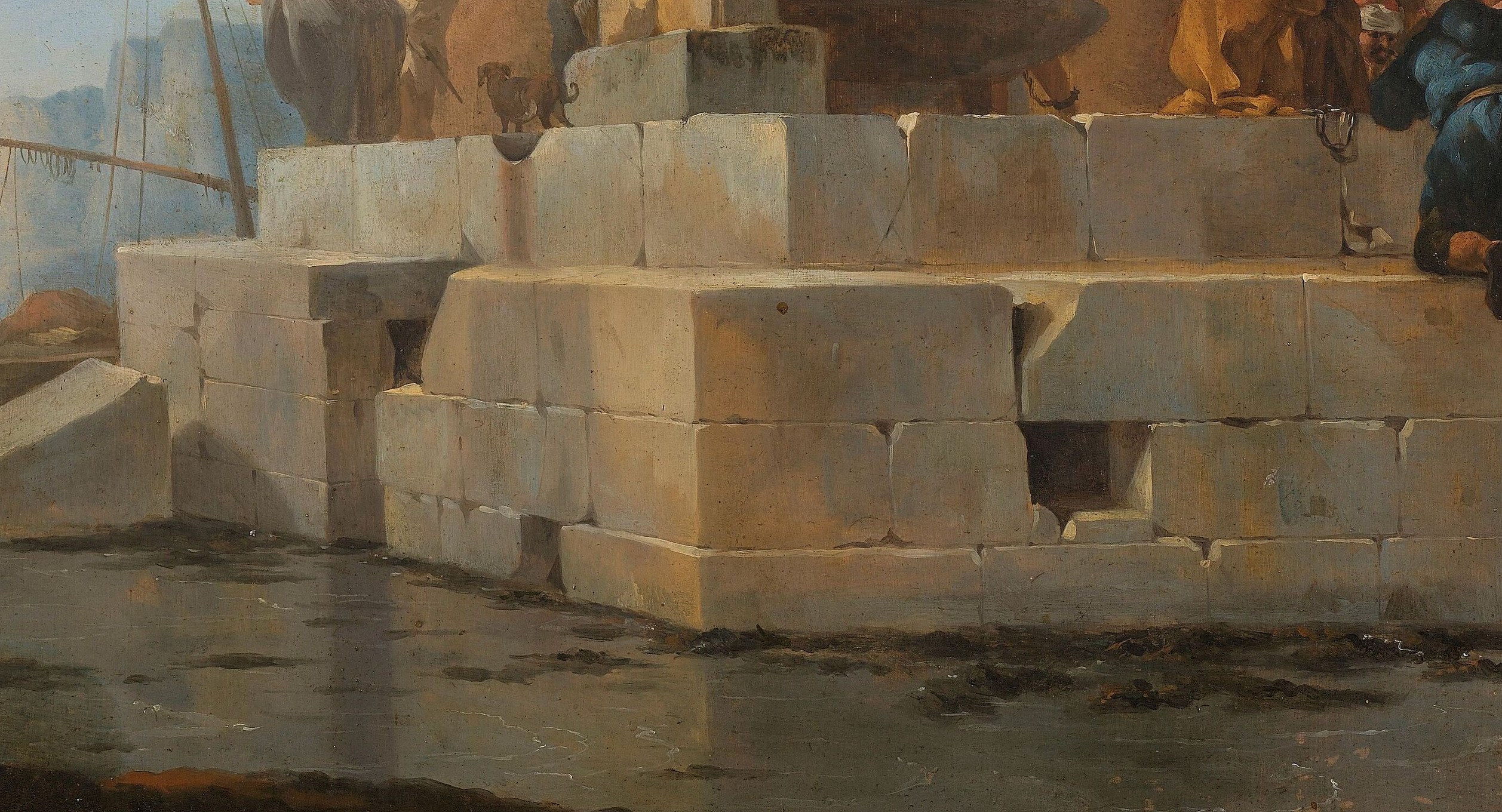
Look closely at the dramatic interplay between the crumbling stone structures and the serene natural setting. Asselijn masterfully uses chiaroscuro, the contrast of light and shadow, to create depth and atmosphere, drawing the viewer into this timeless scene. The small figures scattered throughout provide a sense of human scale against the grandeur of the ruins.
Asselijn, who traveled to Italy in the 1630s, meticulously synthesized his observations of Roman landscapes into his art. This painting reflects his ability to capture the unique light and ambiance of the Italian coast, making it a significant piece in his oeuvre, created shortly before his death.
What details in this painting draw your eye the most?
Details


Transcript
This painting captures a serene, sun-drenched Italian ruin. It was painted by Jan Asselijn around 1650. He was a Dutch artist, one of many drawn to Italy’s light. His use of light and shadow, chiaroscuro, shaped the mood. Notice how the figures provide scale and human presence. His ability to evoke timeless atmosphere made him famous.