Two Studies of a Standing Indian from Calcutta by Delacroix, Eugène
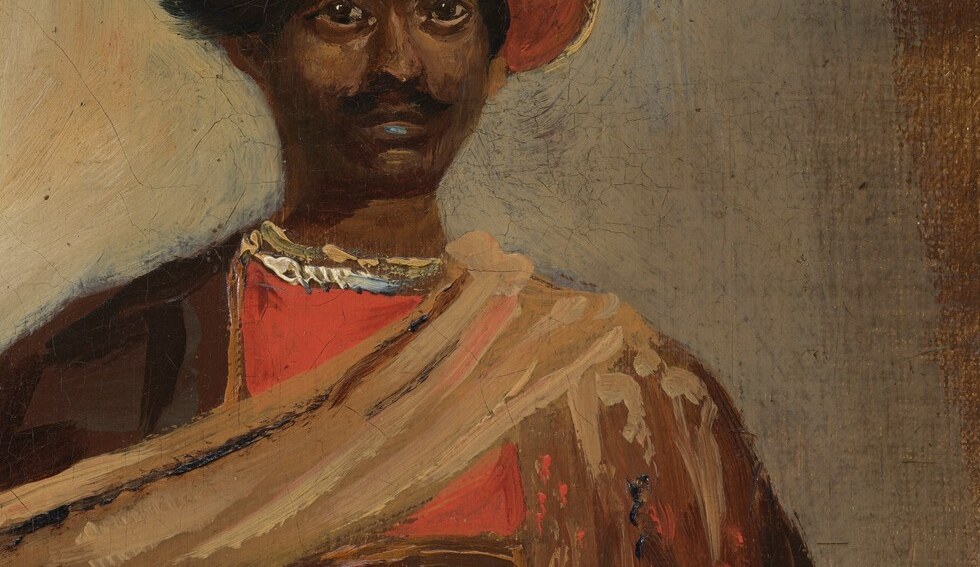
Eugène Delacroix, a titan of French Romanticism, painted *Two Studies of a Standing Indian from Calcutta* around 1824. This work captures two figures in traditional dress, reflecting a European fascination with non-Western cultures, a trend known as Orientalism.
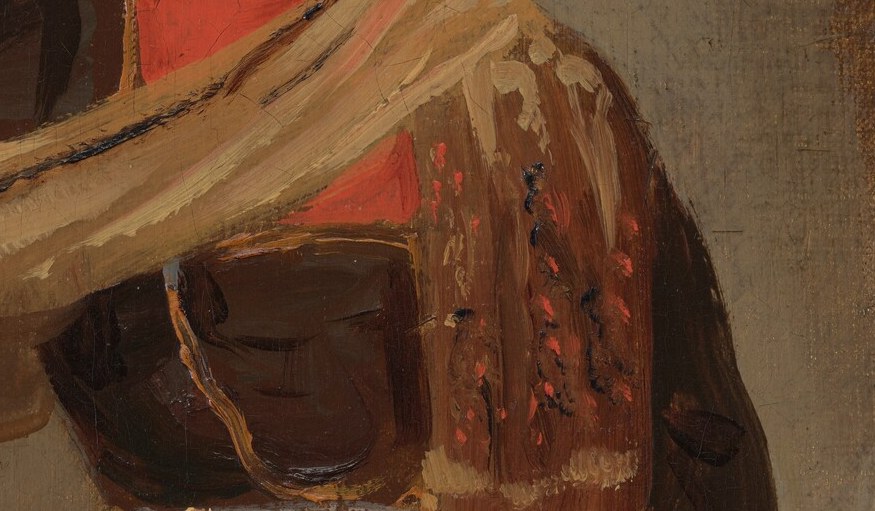
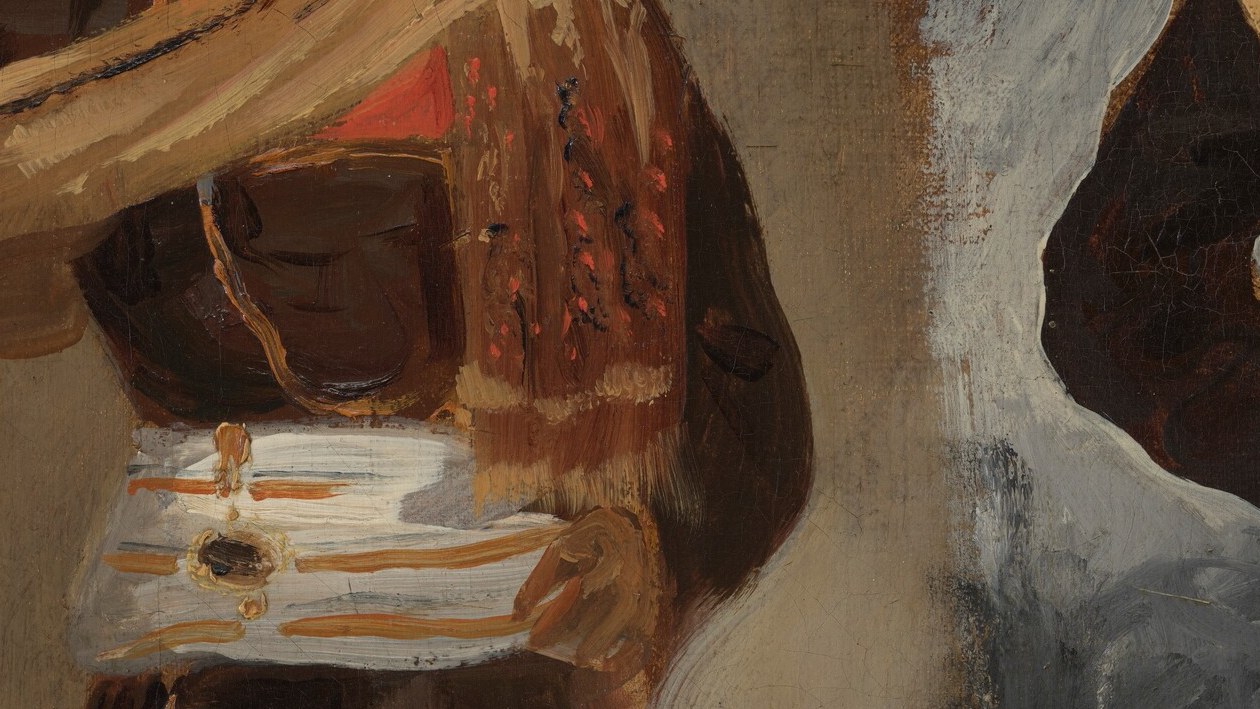
Delacroix was known for his emphasis on color and dynamic movement, rather than strict classical precision. Notice the vibrant red and gold accents on their scarves and shoes, and the expressive, loose brushwork that gives the figures a lively presence.
Painted early in his career, this canvas shows Delacroix absorbing influences from masters like Rubens. His interest in subjects beyond Europe paralleled contemporary literary explorations, contributing to a visual vocabulary that combined observation with romanticized interpretation.
What do these two figures convey to you about the artist's view of the world?
Details
Transcript
In 1824, this painter explored new subjects. He found inspiration in the peoples of distant lands. These are two men from Calcutta, in traditional dress. The artist valued vivid color and dynamic movement. His brushstrokes capture emotion more than strict realism. The work reflects a Romantic fascination with the exotic.