Vale of Kashmir by Robert Seldon Duncanson
Robert Seldon Duncanson's *Vale of Kashmir*, painted in 1867, is a serene landscape that belies the remarkable story of its creator. Duncanson, a 19th-century American landscapist of European and African ancestry, was the first African-American artist to achieve international renown. This oil painting is part of the collection at the Smithsonian American Art Museum.
This tranquil scene, with its calm lake, distant mountains, and verdant foliage, showcases Duncanson's connection to the Hudson River School. Look closely at the small figures by the water's edge and the distant village, which add a human presence to the expansive natural setting.
Duncanson, as a free Black man in antebellum America, navigated a challenging artistic landscape. He found crucial support and promotion from abolitionist communities in both America and England, which enabled him to pursue his artistic endeavors and establish his reputation. His work also helped define the distinctive landscape tradition of the Ohio River Valley, where he primarily worked.
His ability to create such peaceful, sublime works against the backdrop of his personal history makes his art all the more compelling. What details in this painting resonate with you most?
Details
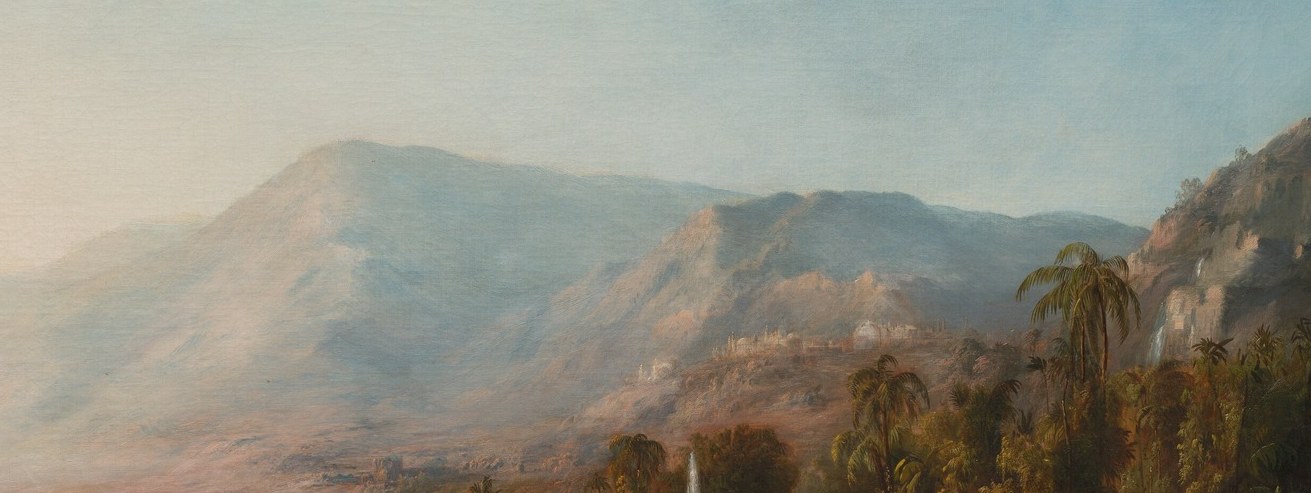
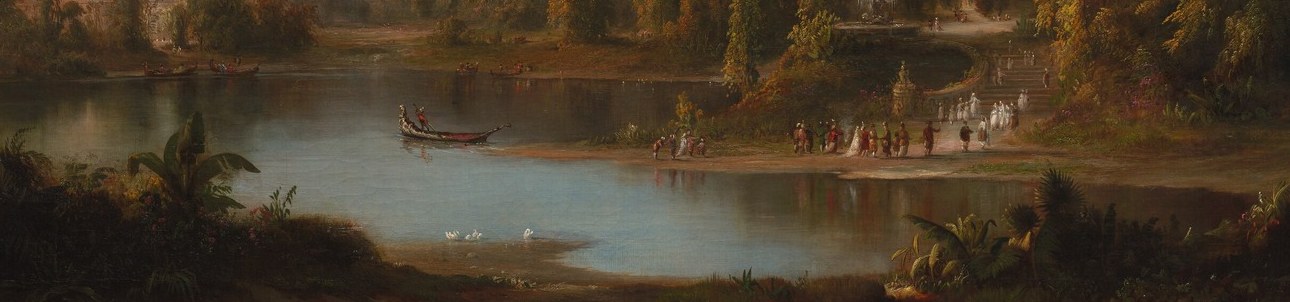
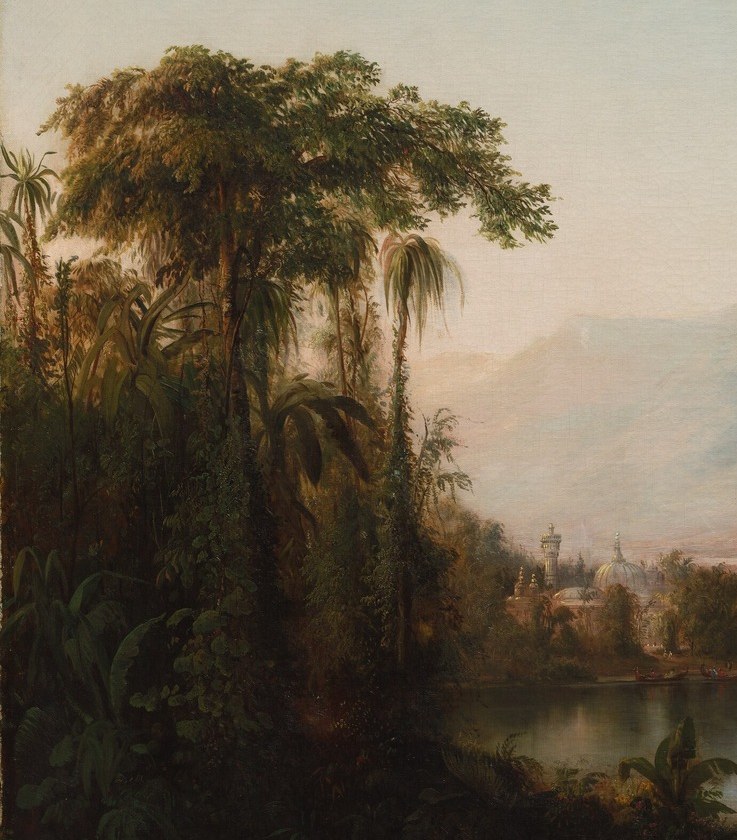
Transcript
This peaceful scene, from 1867, hides a radical story. Its painter, Robert S. Duncanson, was a free Black artist. He was the first African-American artist known internationally. Duncanson relied on abolitionist networks to support his career. These communities in America and England promoted his work. They helped him paint tranquil, sublime landscapes like this.