Negro Masks by Malvin Gray Johnson
Malvin Gray Johnson's "Negro Masks," painted in 1932, is a powerful exploration of African heritage and identity, now held at The Metropolitan Museum of Art. Created during the vibrant Harlem Renaissance, this oil painting reflects a time when Black artists sought to assert cultural identity through modernist forms.
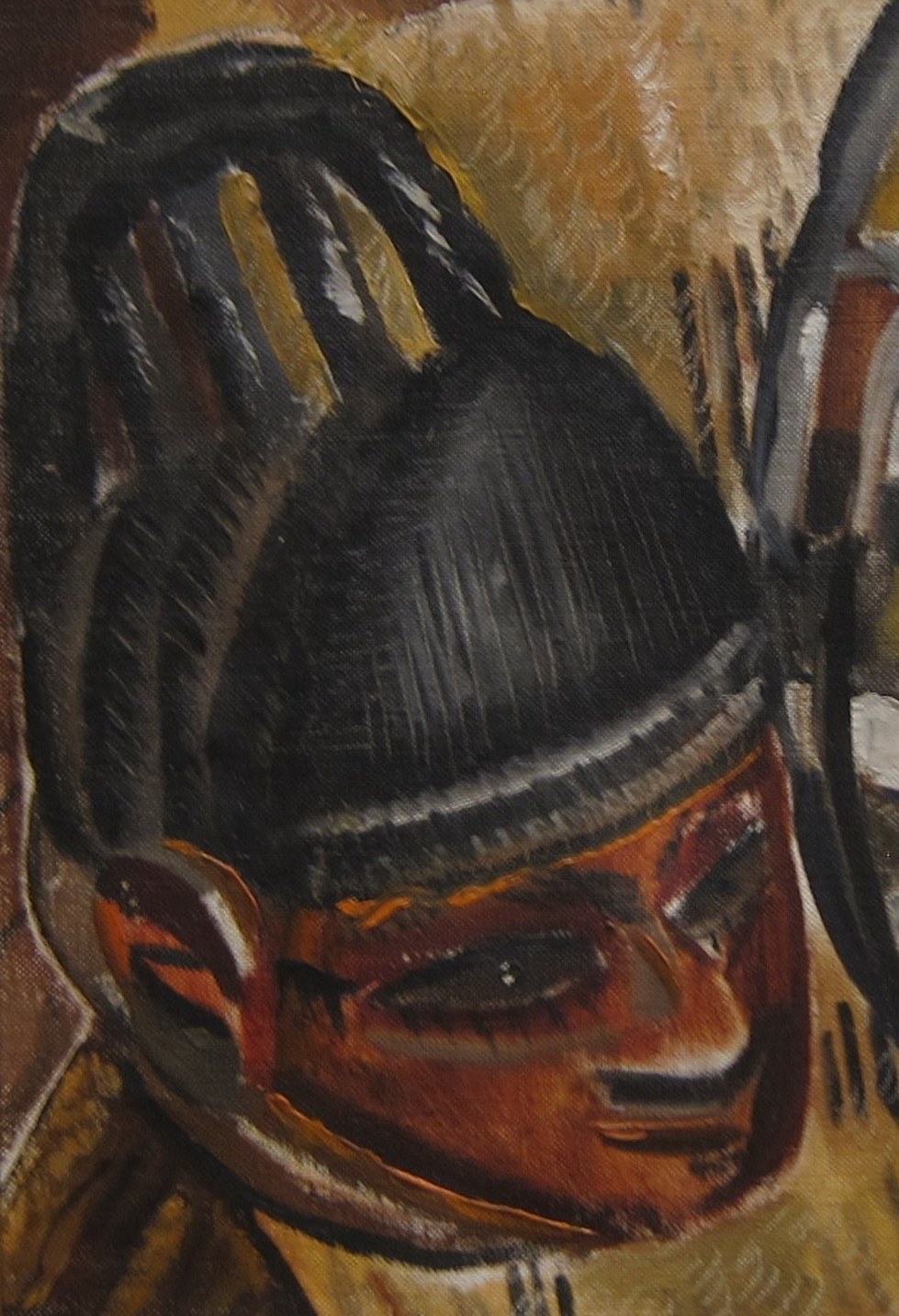
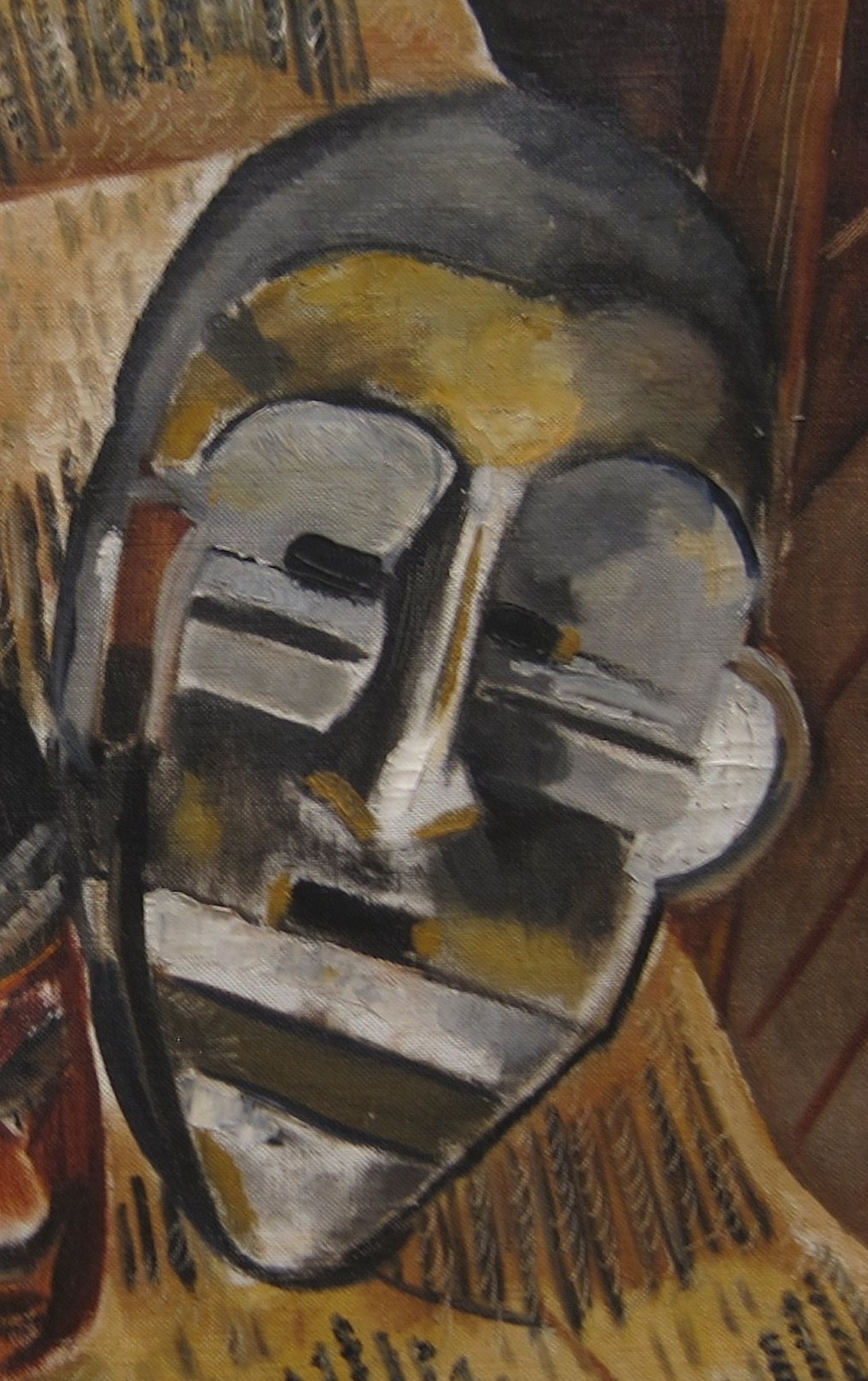
Look closely at the two dark, rounded forms. Their simplified features, like the minimal lines for eyes and mouths, suggest a focus on archetypal identity and collective memory rather than individual portraiture. These forms evoke ceremonial masks, nodding to West African traditions.
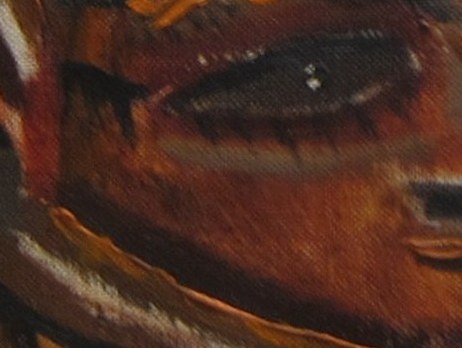
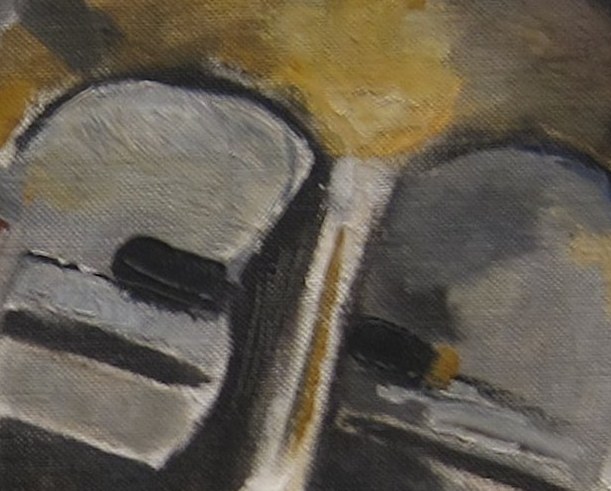
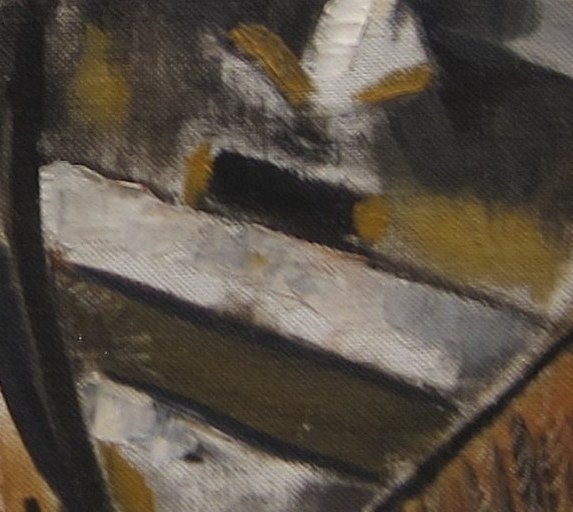
Johnson applied thick, impasto layers of paint, giving the masks a tactile, sculptural quality. The surrounding space, with its rapid brushstrokes, creates a shadowy atmosphere that contrasts with the bold foreground. This work captures the expressive vigor of its era, demonstrating how artists reinterpreted traditional motifs within a modern American visual language.
"Negro Masks" continues to resonate as a significant piece from the Harlem Renaissance. What do these masks communicate to you?
Details
Transcript
This painting was made during the Harlem Renaissance. Black artists explored African heritage and identity. These masks evoke ceremonial objects from West Africa. The simple lines represent archetypal identity, not individuals. They are a powerful expression of collective memory. The painter used thick brushstrokes, giving them sculptural form.