Silent Dawn by Walter Launt Palmer
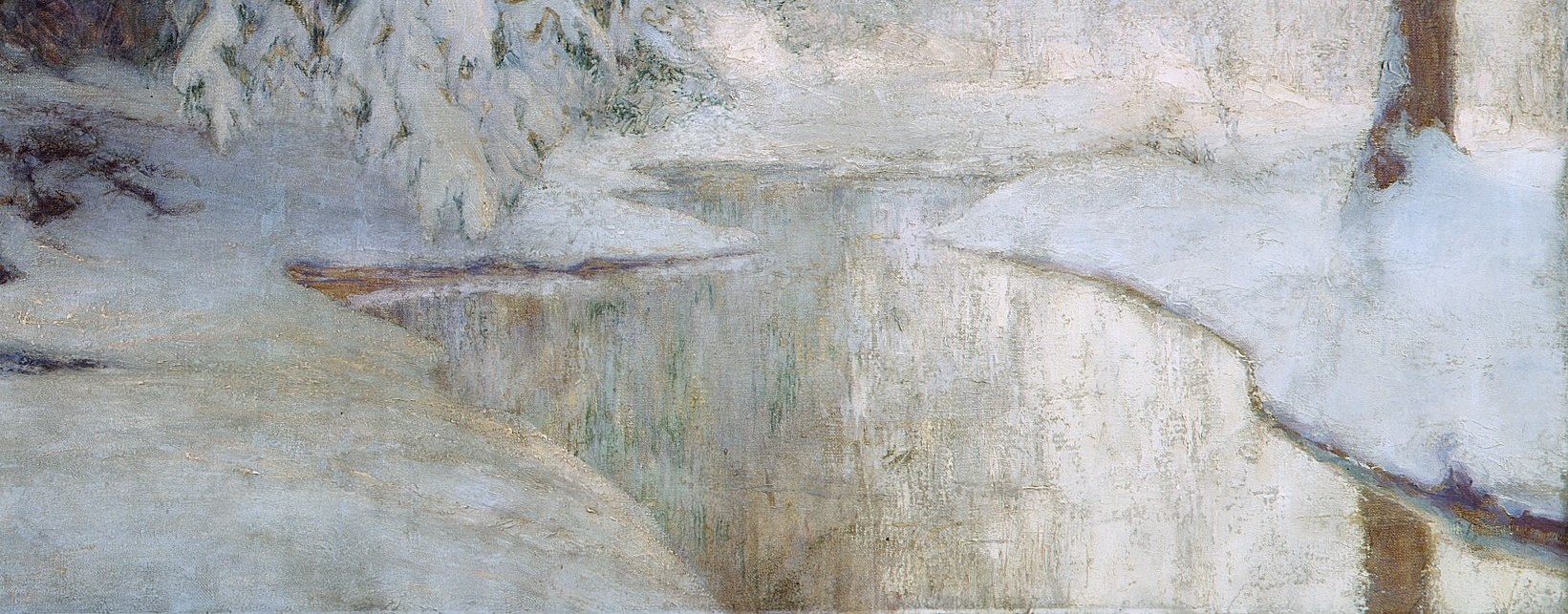
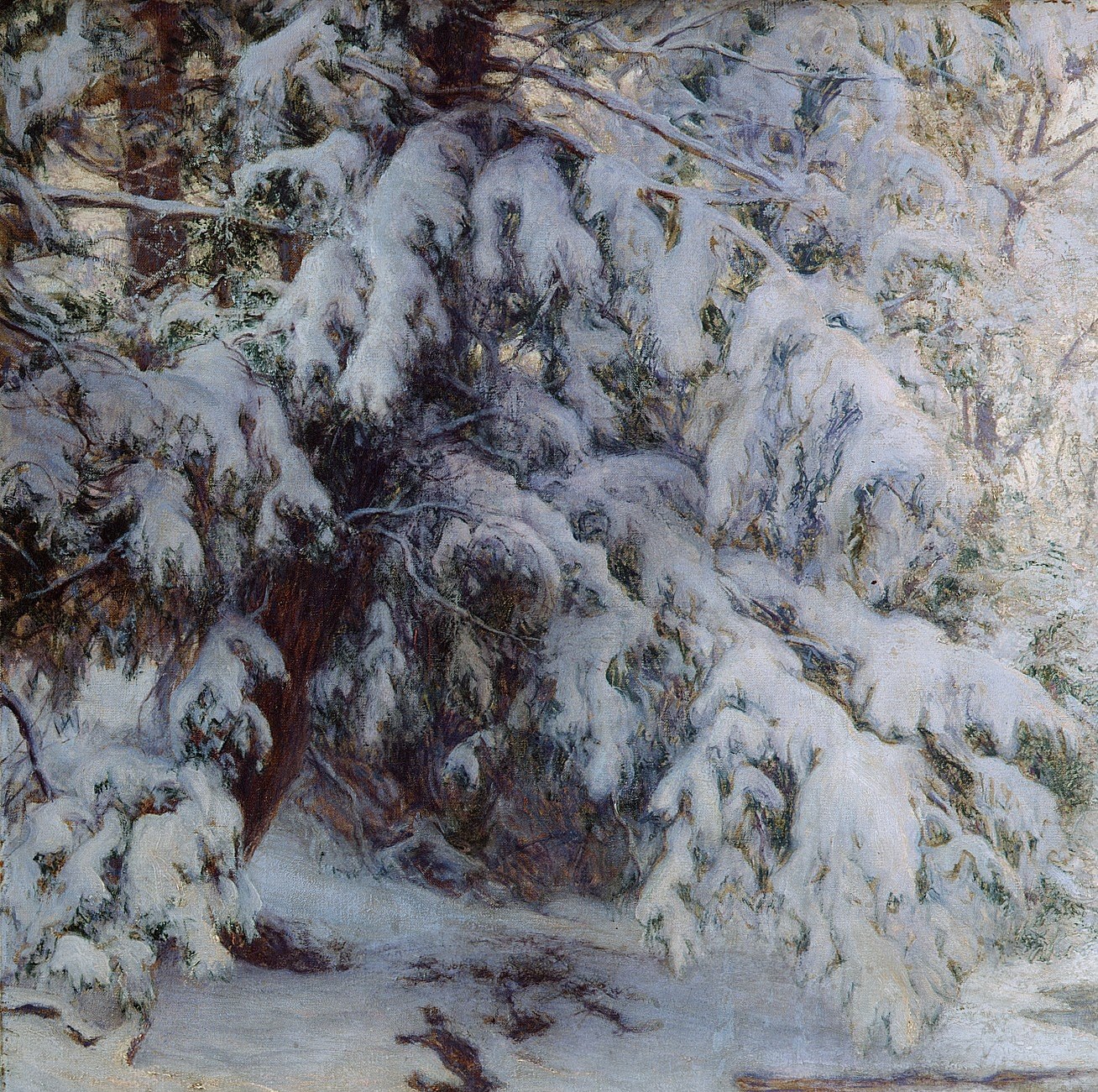
Silent Dawn, painted by Walter Launt Palmer in 1919, is a tranquil oil painting housed in an undisclosed collection, showcasing his mastery of winter landscapes.
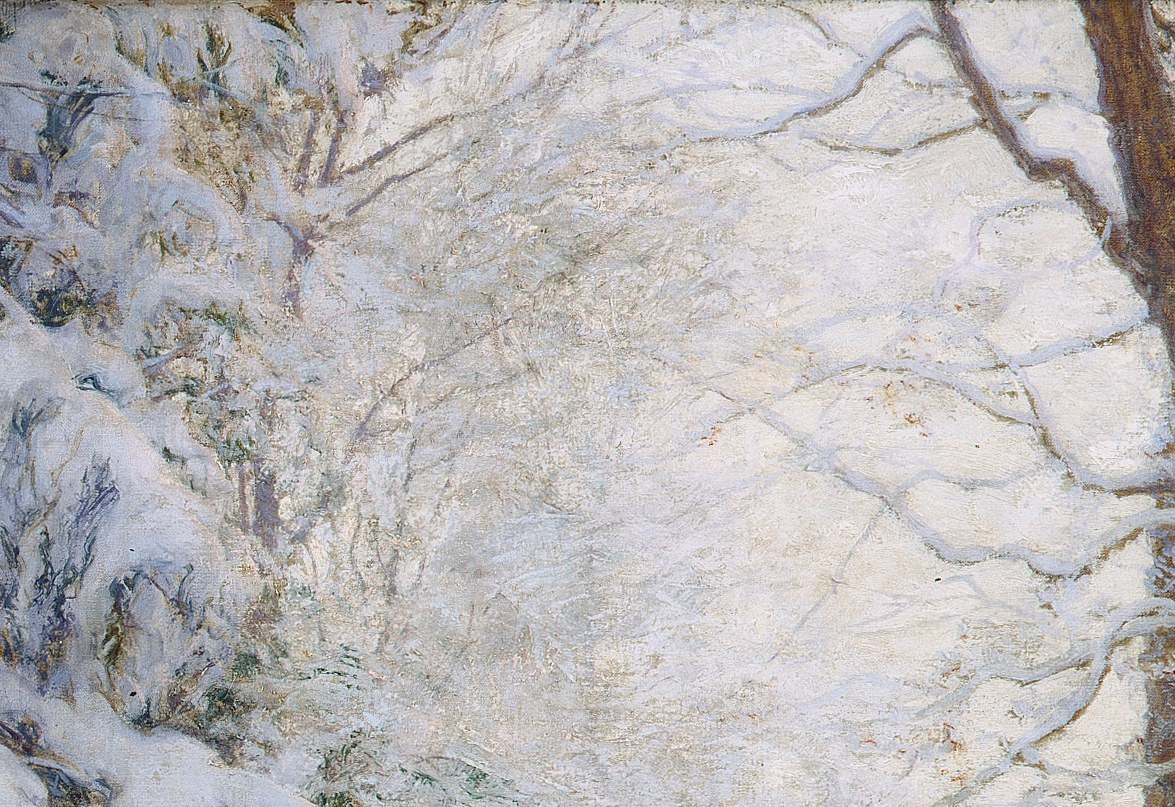
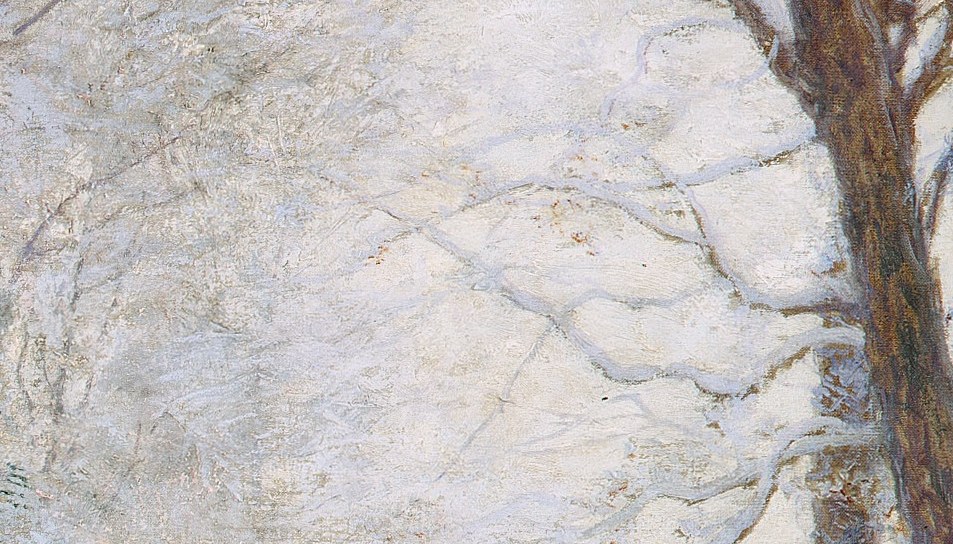
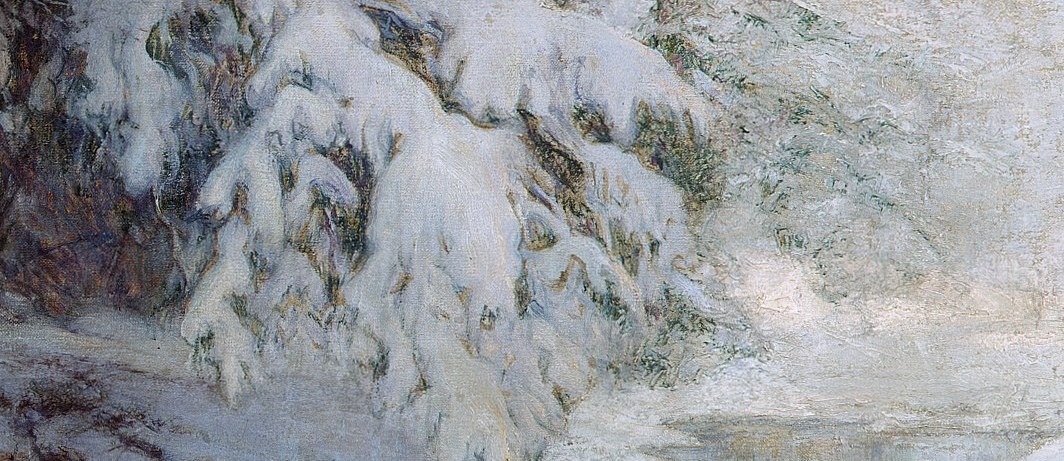
Palmer's unique style is evident in the subtle interplay of light and shadow on the snow, creating a gentle glow, and the icy surface of the stream reflecting the muted light. Notice the textured brushstrokes, particularly on the trees, which give the scene a tactile quality.
His artistic journey began with training under portraitist Charles Loring Elliott, then landscape painting with Frederic Edwin Church of the Hudson River School. This diverse background allowed him to combine detailed observation with the evocative atmospheric qualities of American Impressionism. He spent much of his career in Albany, New York, where he became renowned for his winter scenes.
What details do you find most captivating in this quiet, snowy scene?
Details
Transcript
Walter Launt Palmer, born 1854, trained with a portrait artist. Then he studied landscape painting with Frederic Edwin Church. His later works, like this one, leaned into American Impressionism. Notice the subtle light, creating a gentle glow on the snow. The ice reflects the muted sky, adding to the serene atmosphere. Palmer’s brushstrokes create a textured, tactile surface. This blend of training made him a master of light and texture.