Portrait of Lucas van Uffel (died 1637) by Anthony van Dyck
Anthony van Dyck's 1624 "Portrait of Lucas van Uffel" at the Metropolitan Museum of Art is more than just a likeness; it's a coded biography. Van Uffel, a prominent Flemish merchant, humanist, and art dealer, is depicted through objects that signify his multifaceted identity.
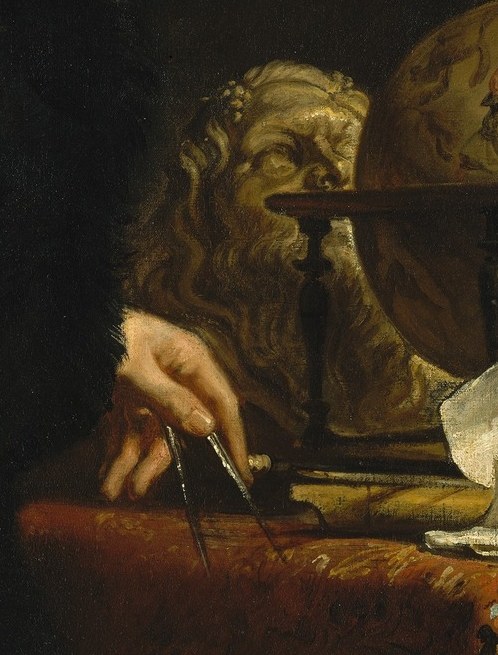
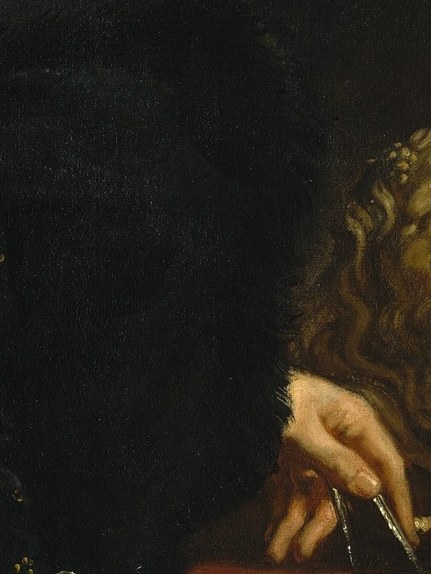
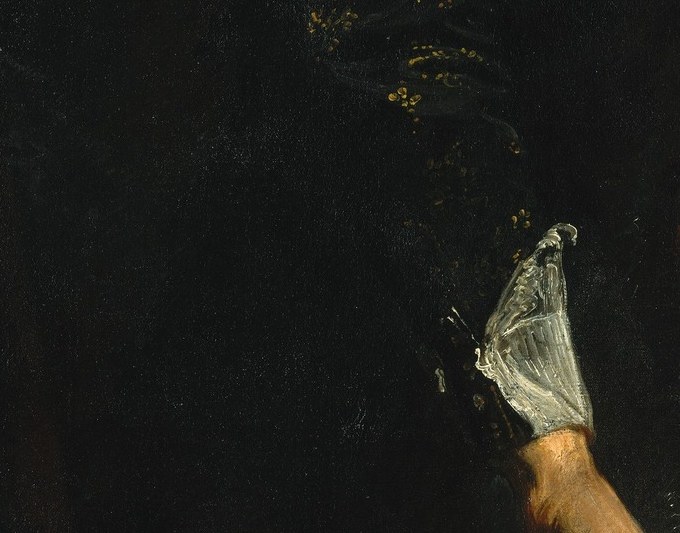
Notice the terrestrial globe, symbolizing his international trade and geographical knowledge. The classical bust on his desk highlights his deep appreciation for antiquity and scholarly pursuits. Scattered papers suggest his active involvement in business and intellectual correspondence.
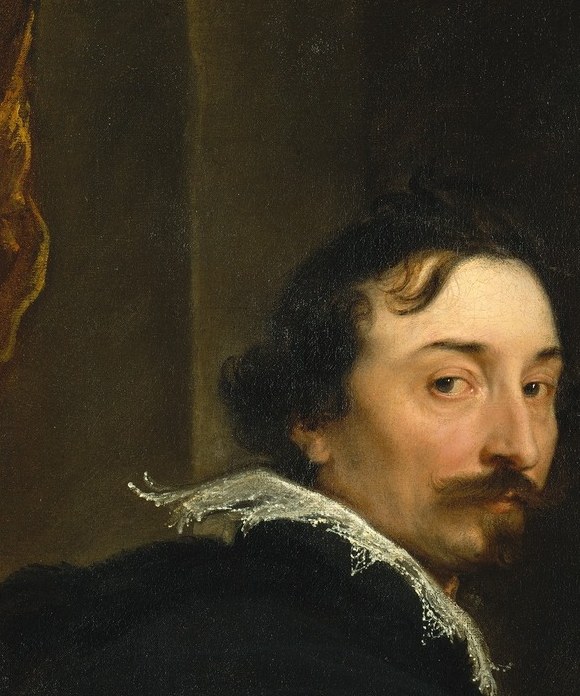
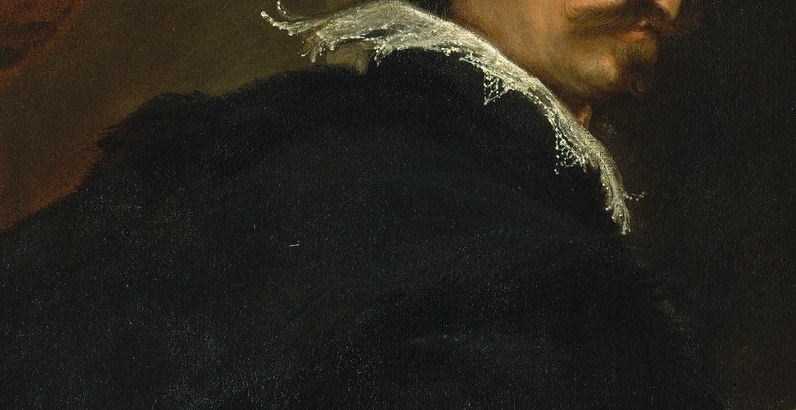
Van Dyck masterfully combined these elements with van Uffel's elegant white lace collar, a clear indicator of his wealth and high social standing. Through subtle yet powerful iconography, the painting reveals the sitter's intellectual and commercial world.
This portrait offers a fascinating glimpse into how artists conveyed status and personality in the 17th century. What details do you find most telling?
Details
Transcript
This man was a merchant, humanist, and art dealer. The painter used specific objects to show his story. A globe shows his global trade and knowledge. The classical bust marks his love of antiquity. These documents tell us he was a man of letters. And this lace collar signifies his wealth and status. Every detail built the identity of this influential figure.