Portrait of a Painter, probably the Artist himself by Willem Uppink
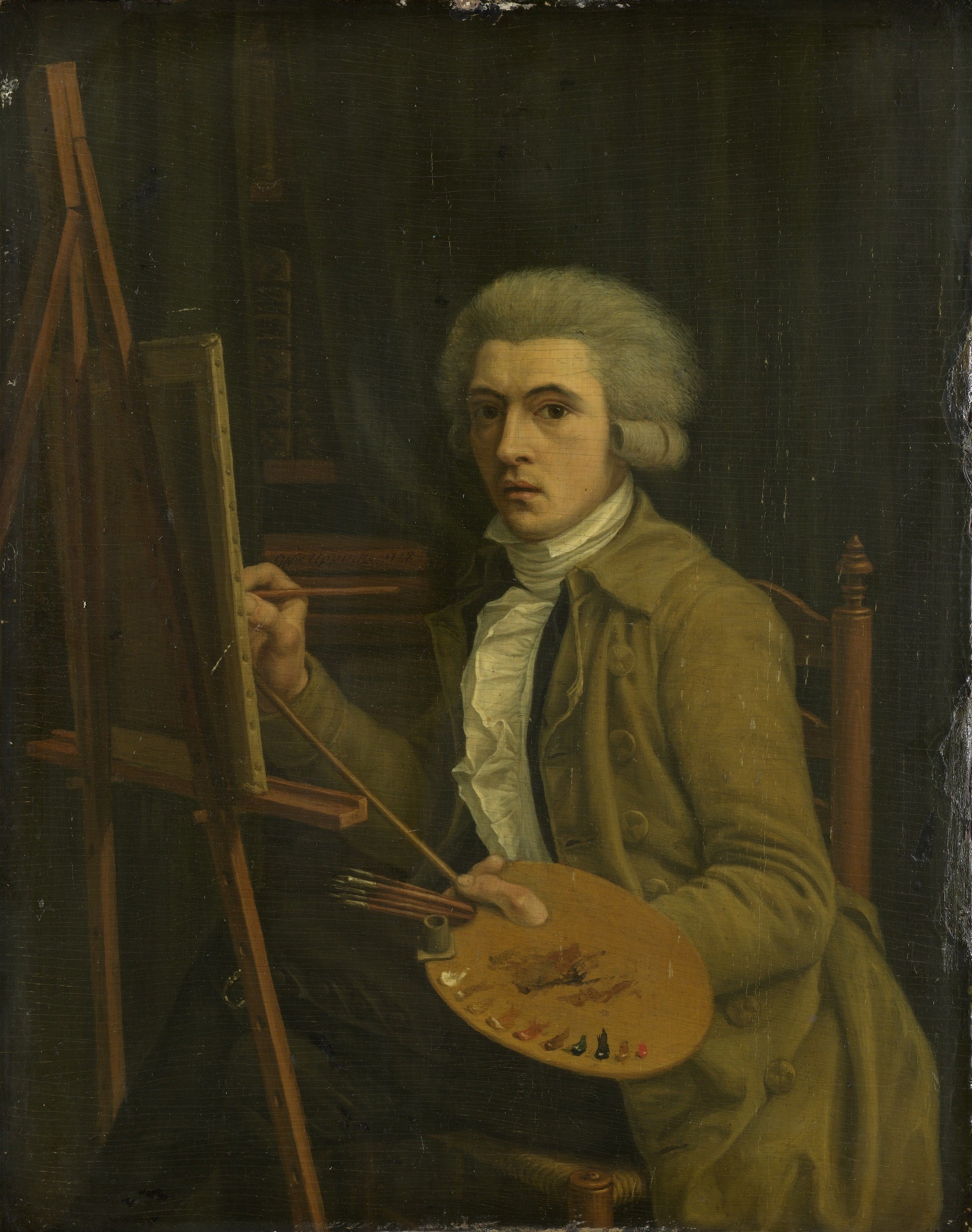
Step into the studio of Willem Uppink, an 18th-century artist from Amsterdam, captured in his "Portrait of a Painter, probably the Artist himself" from 1794. This self-portrait offers a direct glimpse into the life of a working painter, showcasing the tools and techniques of his trade.
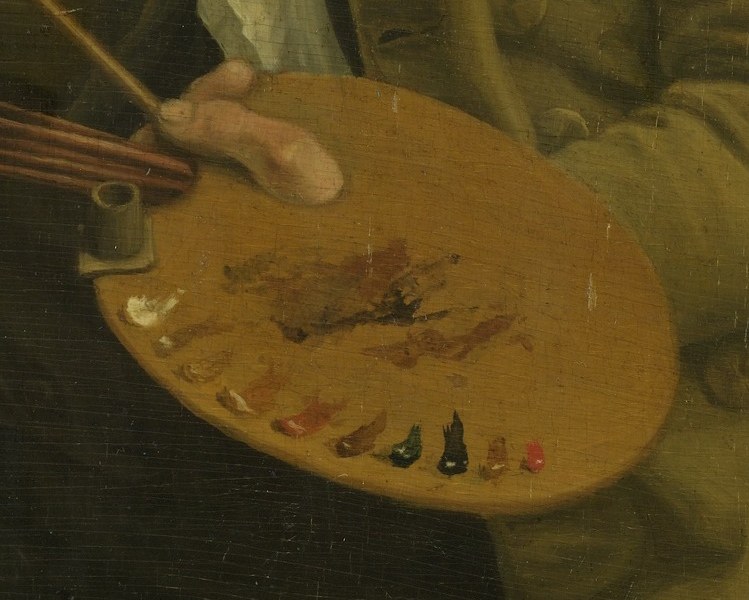
Observe the details: Uppink holds a wooden palette laden with fresh dabs of oil paint and brushes, while his other hand thoughtfully adjusts the easel. These elements are not just props; they are central to his assertion of professional identity as an artist.
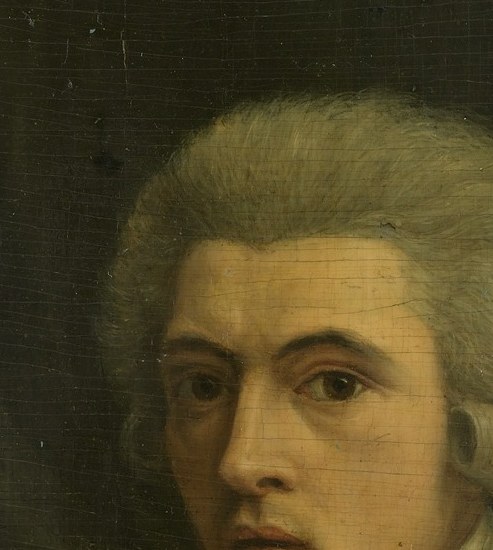
Uppink masterfully employs a strong chiaroscuro effect, using deep shadows in the background to highlight the illuminated figure and the textures of his clothing. This artistic choice not only models form with light but also creates a sense of immediacy, drawing the viewer into his creative space.
The painting is part of the Rijksmuseum's collection, representing a significant example of Dutch 18th-century portraiture. What do you notice first about his gaze?
Details
Transcript
Meet an 18th-century painter, at work in his studio. This painter was Willem Uppink, born in Amsterdam. Here he shows his tools, asserting his professional identity. He holds a wooden palette with fresh dabs of oil paint. His other hand adjusts the easel, controlling his medium. The painting uses strong contrasts, a chiaroscuro effect with light. He completed this self-portrait in 1794, then in his late twenties.