The Bodmer Oak, Fontainebleau Forest by Claude Monet
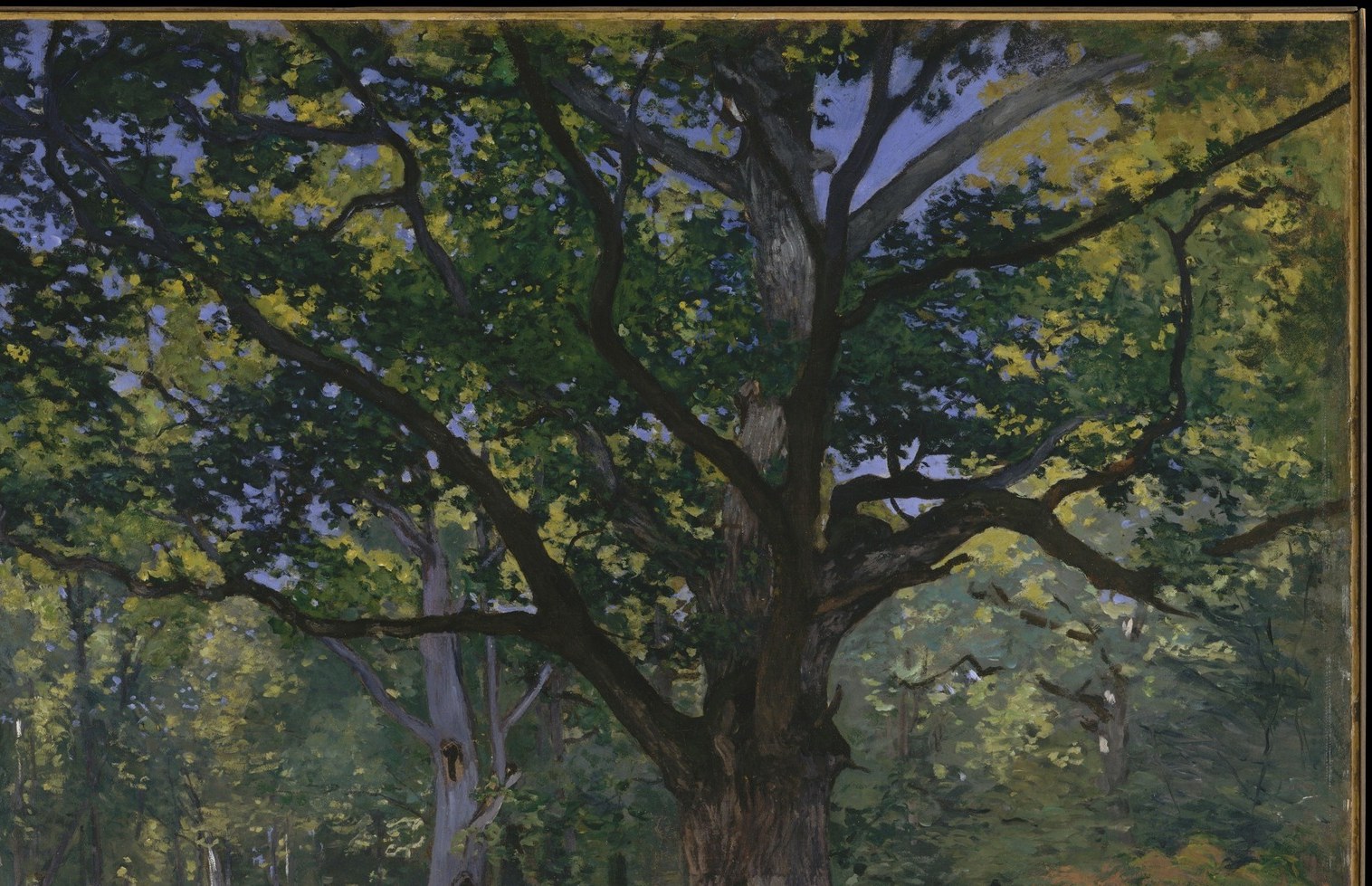
Claude Monet's "The Bodmer Oak, Fontainebleau Forest," painted in 1865 and now at The Metropolitan Museum of Art, offers a fascinating glimpse into the artist's formative years before he fully embraced Impressionism.
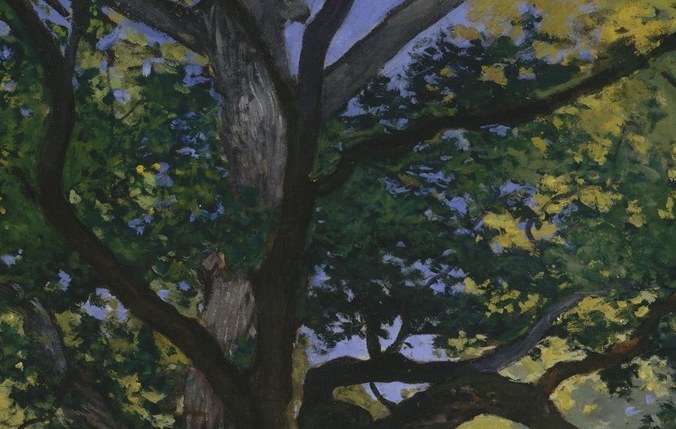
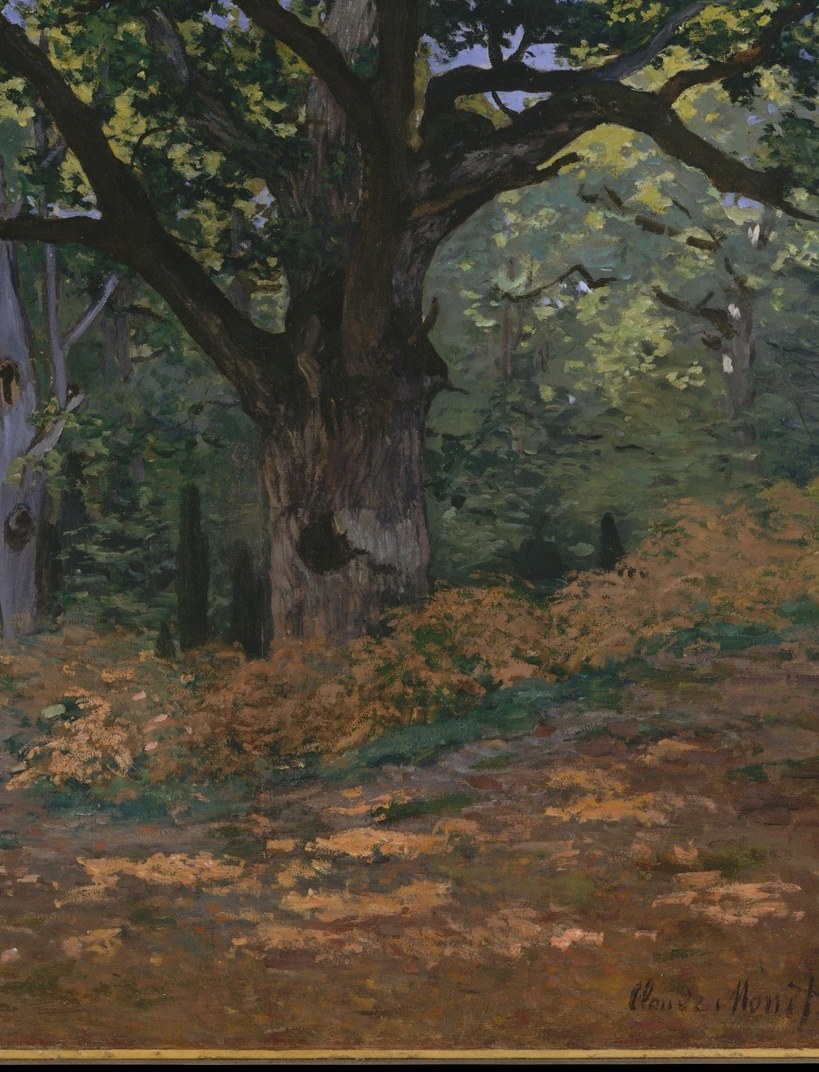
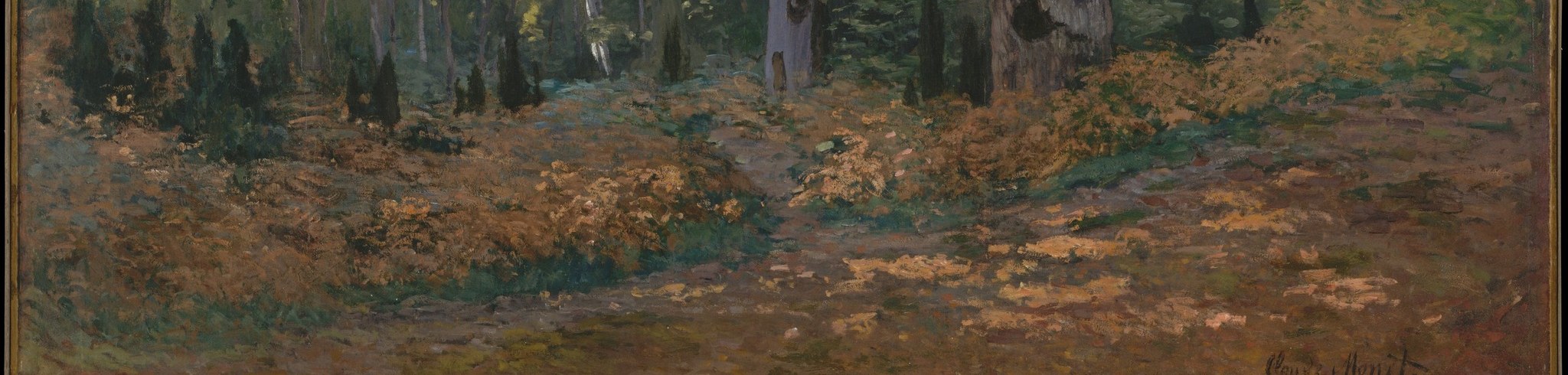
Here, Monet meticulously renders the immense trunk and gnarled branches of the ancient Bodmer Oak, showing his dedication to capturing the structural integrity and play of light in nature. Notice the detailed textures of the bark and the dappled sunlight filtering through the canopy onto the forest floor.
During this period, Monet frequented the Fontainebleau Forest, a popular haunt for artists, to paint directly from observation. These studies were crucial for developing his understanding of light, atmosphere, and form in landscape painting, paving the way for his later, more radical Impressionist works.
It's a beautiful example of an artist in transition, learning to see the world with an ever-more perceptive eye. What details do you notice in the forest's quiet depths?
Details
Transcript
In 1865, young Claude Monet spent months in Fontainebleau Forest. He was honing his eye, learning to paint light in nature. This immense oak, the Bodmer, was one of his favorite subjects. Notice how he renders the bark, the texture, the ancient strength. Look at the play of light on the gnarled, spreading branches. This detailed work shows his path toward pure Impressionism.