A Collection by Frans Francken the Younger
Frans Francken the Younger’s 1619 painting, *A Collection* (also known as *A Cabinet of Curiosities*), offers a fascinating glimpse into the world of 17th-century collecting. This oil on panel, now housed at the Royal Museum of Fine Arts, Antwerp, meticulously depicts a private space where collectors displayed their most treasured possessions.
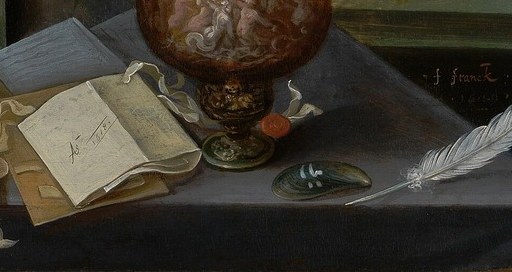
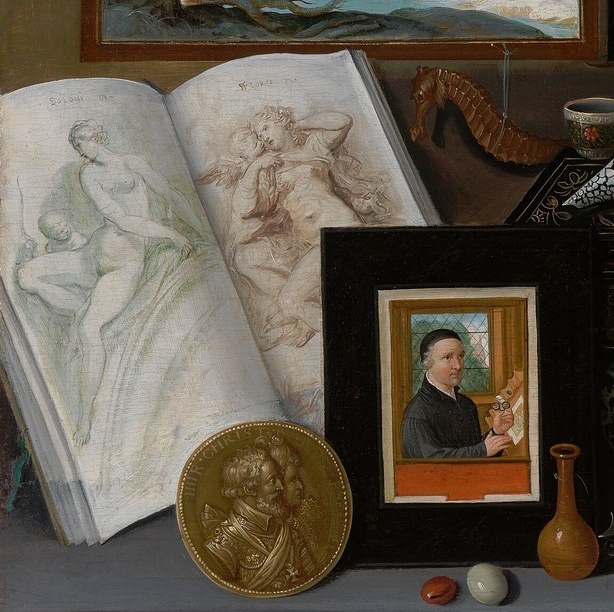
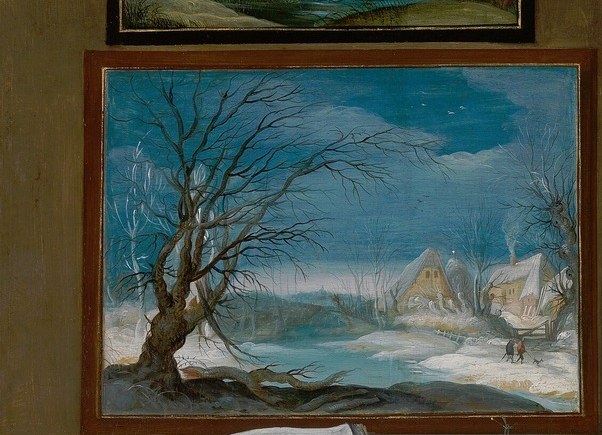
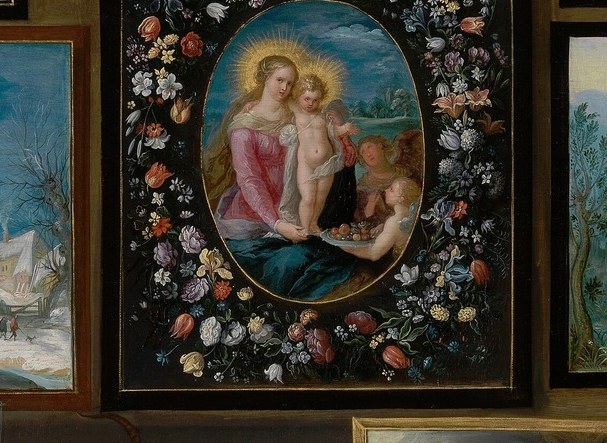
The artwork is a visual inventory, featuring everything from natural specimens like a large nautilus shell and scattered gold coins, to an open book with anatomical drawings, indicating the owner's intellectual interests. The walls are adorned with various miniature paintings, including landscapes and religious scenes, showcasing the breadth of their artistic tastes.
Francken the Younger was instrumental in popularizing this new genre of 'cabinet of curiosities' paintings, which combined scientific observation with artistic expression. These collections were common among affluent Europeans, reflecting a widespread fascination with natural history, travel, and the accumulation of exotic items during the early modern period.
What do you find most interesting about this historical collection?
Details
Transcript
In 1619, this painter cataloged a collector's entire world. These 'cabinets of curiosities' mixed natural wonders with art. A pile of gold coins shows the collector's wealth. An open book with anatomical drawings reveals intellectual pursuits. Miniature paintings covered the walls, like this winter scene. This genre painting helped establish a popular new art form.