Still Life with Peaches by Pierre-Auguste Renoir
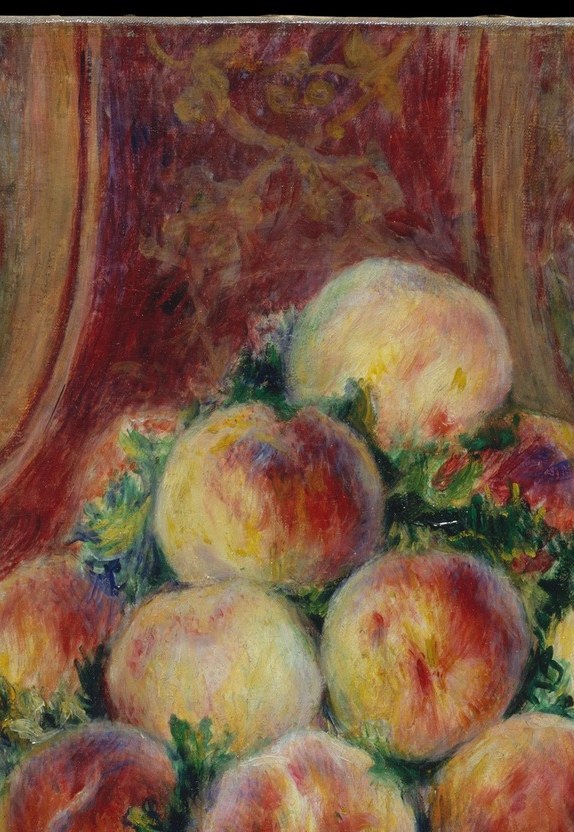
Pierre-Auguste Renoir’s "Still Life with Peaches," painted in 1891, is a masterclass in rendering texture and light with oil paint. Held at The Metropolitan Museum of Art, this work exemplifies Renoir's mature style.
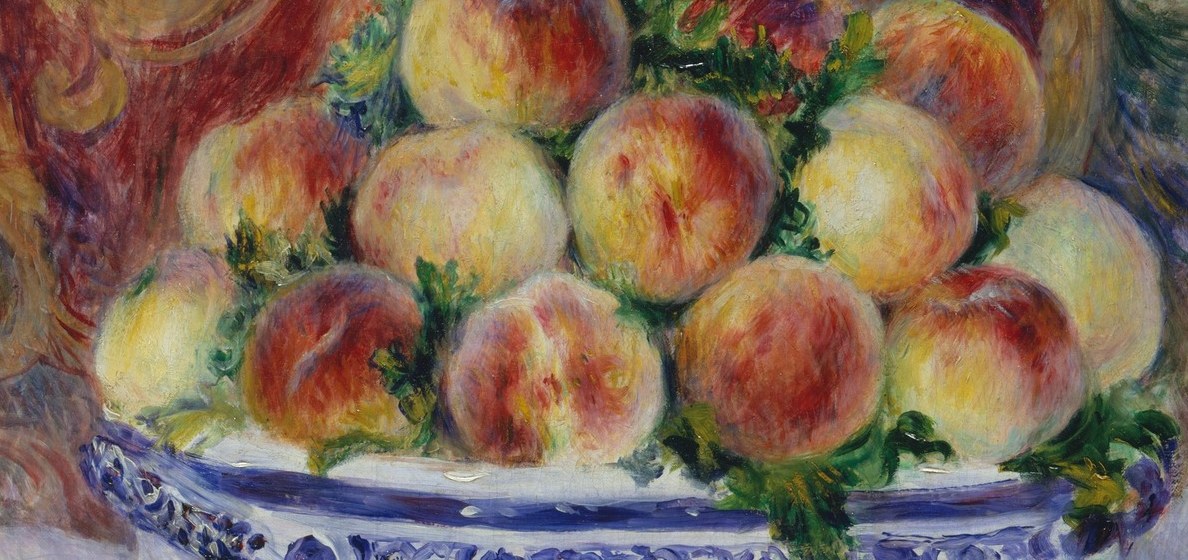
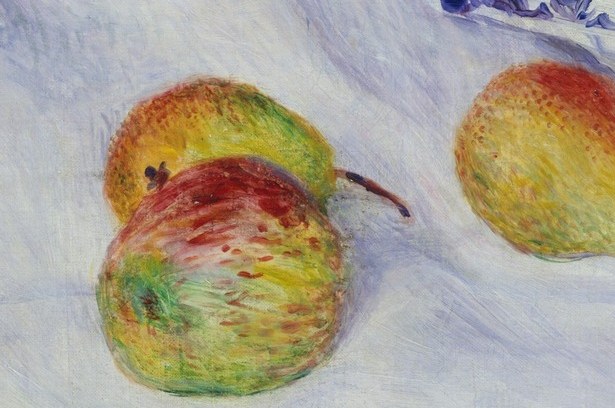
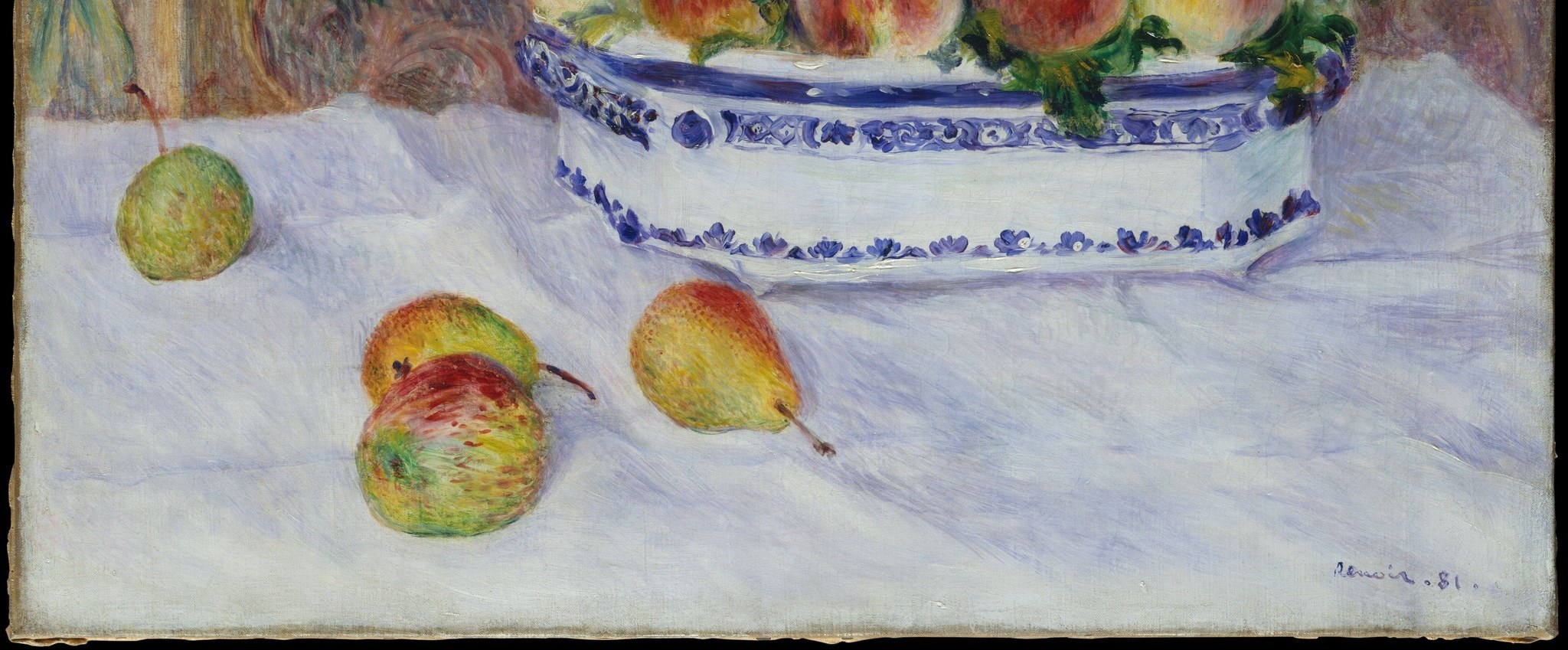
Notice how Renoir uses his brushwork to create the soft, fuzzy surface of the peaches and the distinct sheen on each pear. The way light plays across the crumpled white tablecloth adds a remarkable sense of realism and depth to the composition.
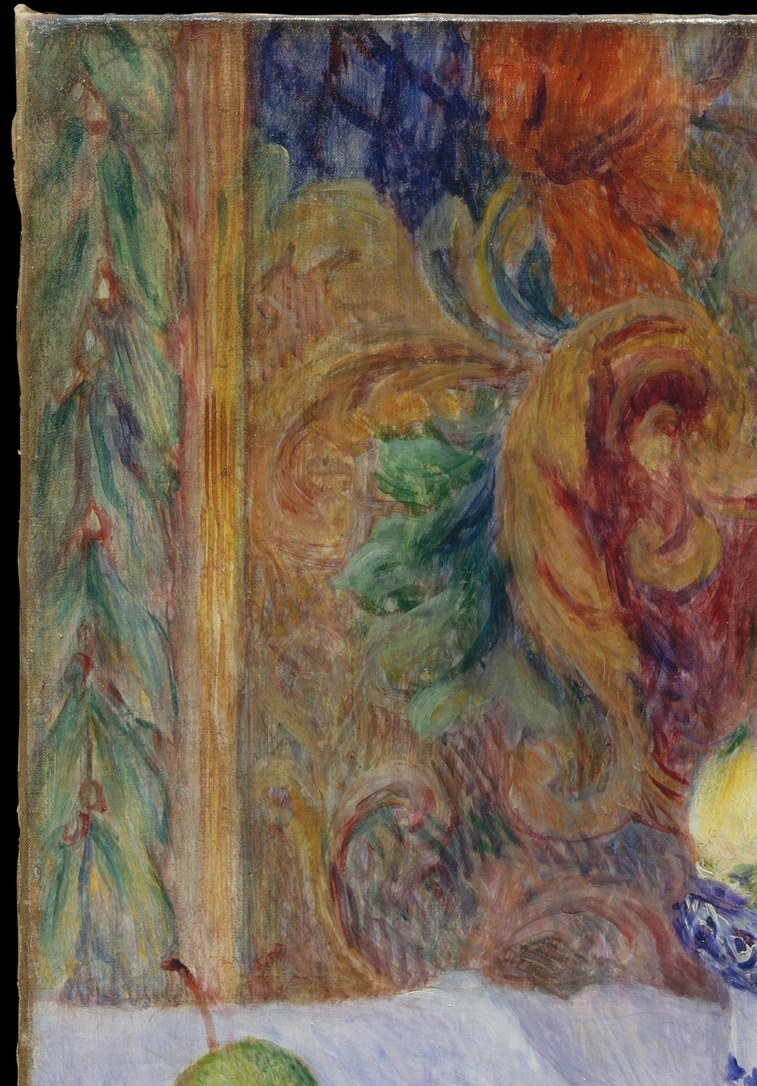
Renoir, a leading figure in Impressionism, often turned to still life to explore color and form. This piece highlights his ability to transform everyday objects into engaging compositions, focusing on sensory pleasure and tactile qualities rather than rigid academic representation.
Through loose, yet deliberate brushstrokes, Renoir achieves an illusion of tangibility. What textures do you find most striking in this painting?
Details
Transcript
Renoir painted this still life in 1891. See how he creates the soft, fuzzy skin of the peaches. Each pear has its own distinct texture and sheen. The light seems to fall naturally across the crumpled tablecloth. The brushwork here suggests patterns, not strict details. It's all paint, yet it feels so real.