Isabella Brant by Dyck, Anthony van, Sir
View the artwork: Isabella Brant →
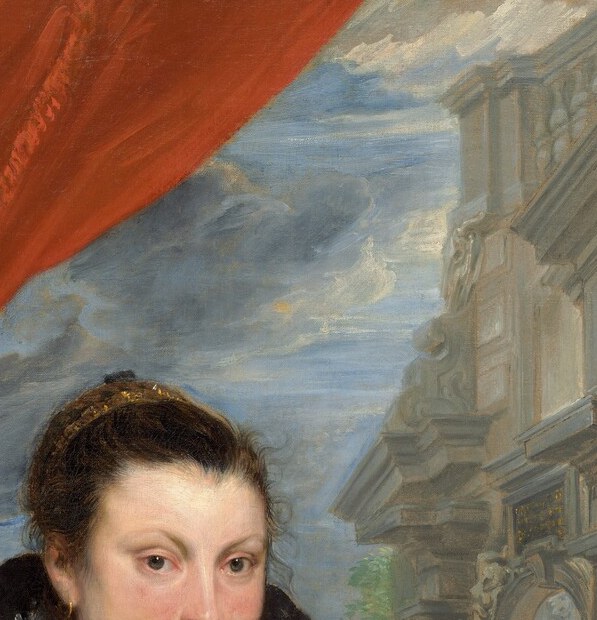
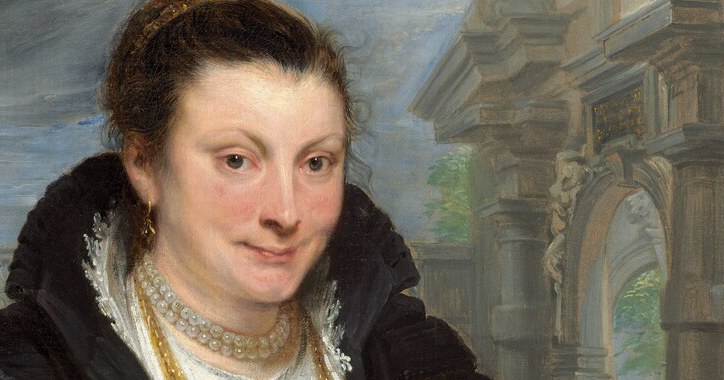
This is Anthony van Dyck's portrait of Isabella Brant, painted in 1621 as a gift for her husband Peter Paul Rubens. It hangs today at the National Gallery of Art in Washington, D.C., a testament to one of art history's most famous mentorships.
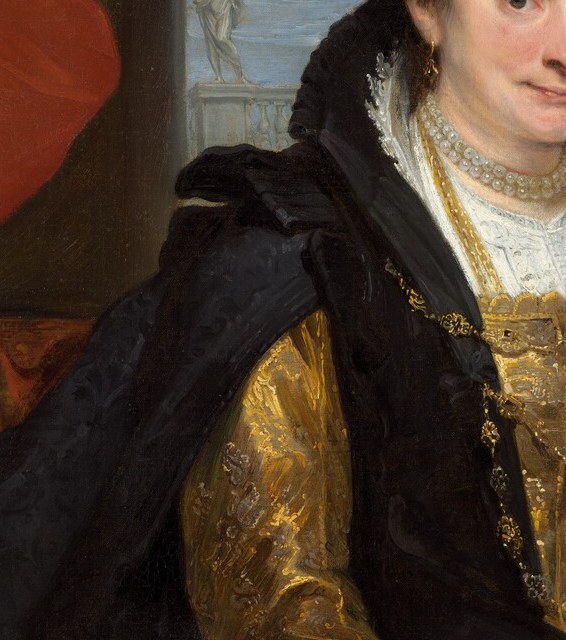
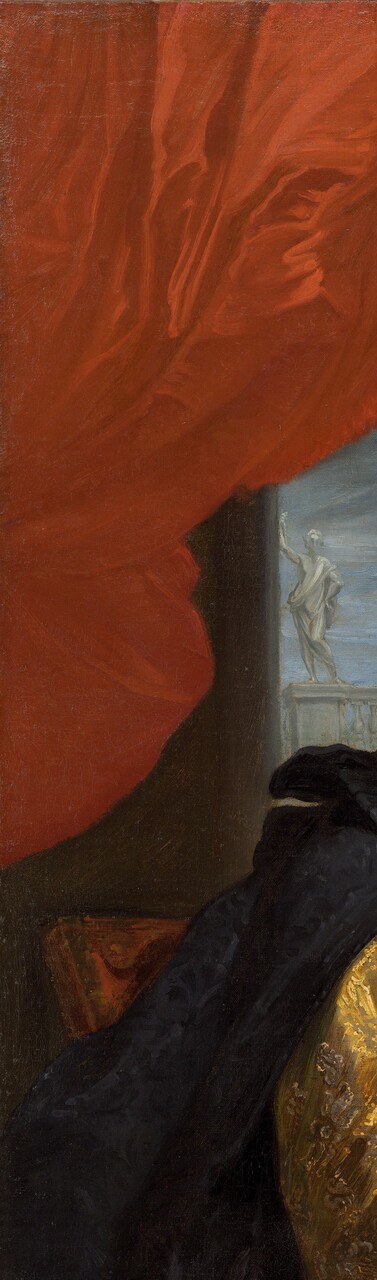
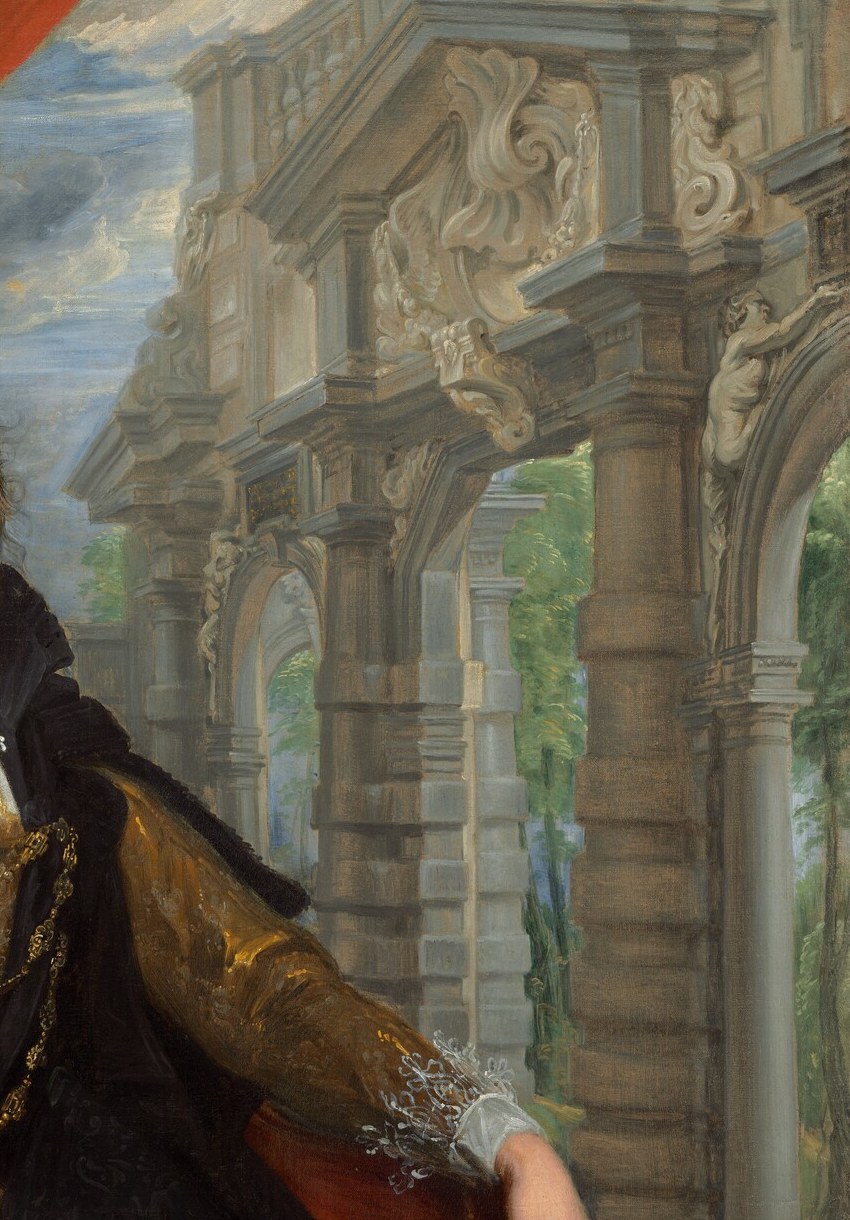
Van Dyck placed Brant before the Italianate garden screen of Rubens's own Antwerp mansion. Notice the statue of Minerva he imaginatively moved behind her right shoulder, linking the sitter to the goddess of wisdom. The orange-red curtain and the shimmering gold brocade across her chest animate the portrait with warmth and movement.
The painting passed from the collection of Pierre Crozat in Paris to Empress Catherine II of Russia, who acquired it for the Hermitage in 1772. Andrew Mellon bought it in 1930, still believing it to be by Rubens. Although correctly attributed as early as 1895, the scholarly debate persisted. Final reattribution to Van Dyck came only in 1976.
A student's parting gift to his teacher, debated for over three centuries. What better way to say thank you than a portrait painted so well it passed for the master's own?
#arthistory #AnthonyVanDyck #baroqueportrait
Details
Transcript
This is Isabella Brant. Her husband was Peter Paul Rubens. But she was painted by a different master. Anthony van Dyck, Rubens's protégé, made this as a parting gift. Look behind her right shoulder. Van Dyck moved a statue of Minerva here, goddess of wisdom. For centuries, experts thought this was a Rubens. The final reattribution to Van Dyck came only in 1976.