Edward Robinson by John Singer Sargent
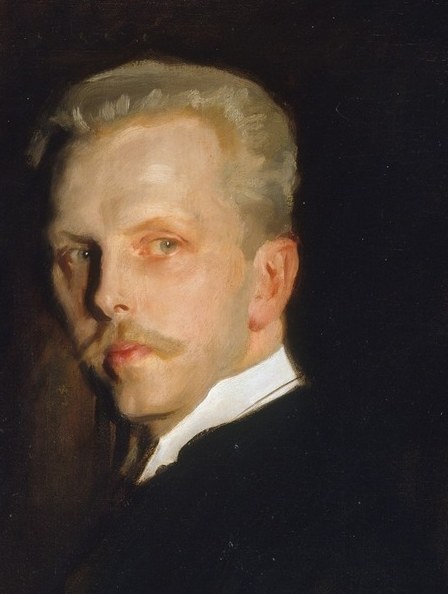
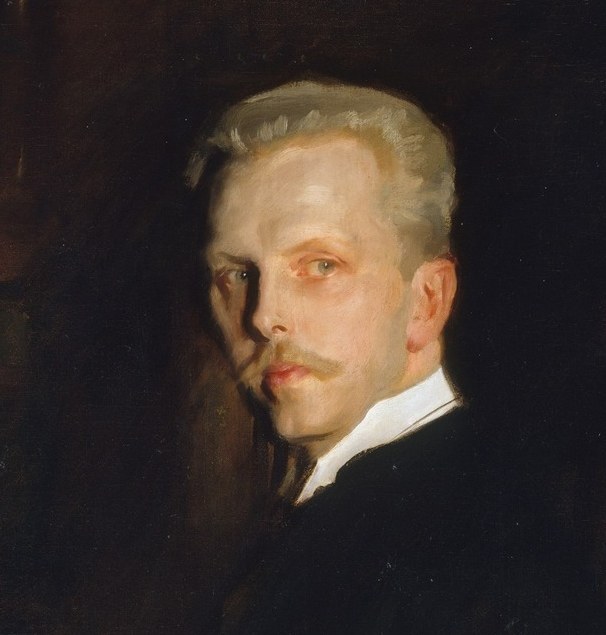
John Singer Sargent painted Edward Robinson in 1903, the year Robinson was appointed assistant director of the Metropolitan Museum of Art. He would become its director, transforming a collection of plaster casts into one of the world's great encyclopedic museums, and Sargent gave him a portrait that reads like an argument for cultured intelligence over mere decoration.
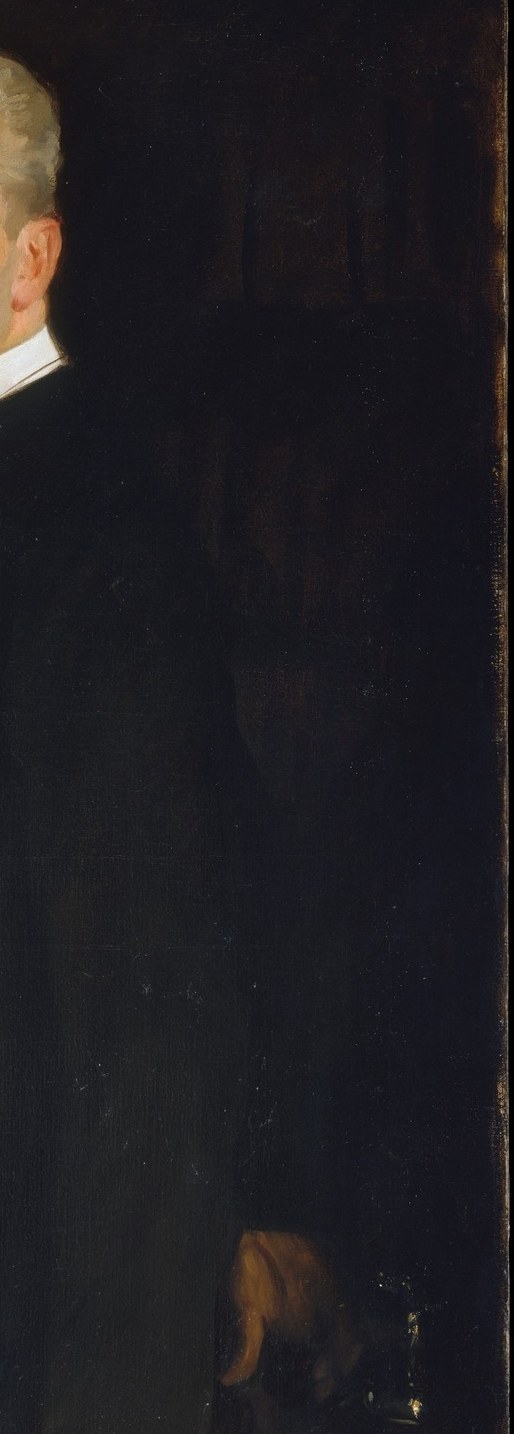
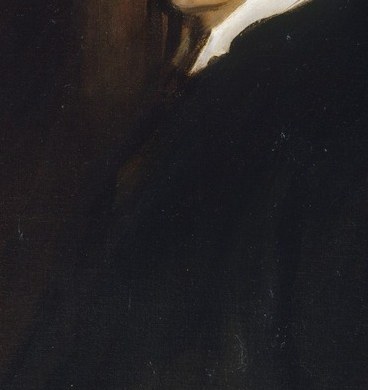
The painting is a study in what Sargent chooses not to paint. Robinson's right hand rests at his side, clear and articulate. But his left arm, the secondary gesture, is allowed to recede into the dark background so completely that the hand becomes a phantom. Sargent is telling us: this man's mind is what commands the room, not the disposition of his limbs.
Sargent trained in Florence and Paris, internalizing Velázquez's ability to make form emerge from shadow with a single loaded brushstroke, then built a career in London that made him the portraitist of Belle Époque and Edwardian elites. By 1903 he had survived the scandal of Madame X and was painting the people who ran the institutions. Robinson, a classical archaeologist, was precisely the kind of sitter Sargent respected: a scholar, not just a socialite.
Come for the pale, watchful eyes, stay for the arm that isn't there. Sargent knew that the most powerful thing in a portrait can be what the painter refuses to finish.
Details

Transcript
He called his client the greatest museum director America had produced. John Singer Sargent was the most sought-after portraitist of the era. Look at the left arm. The hand exists only as a suggestion. Sargent dissolves the limb entirely into the shadow of the background. A master painter tells us what matters, and what to ignore.