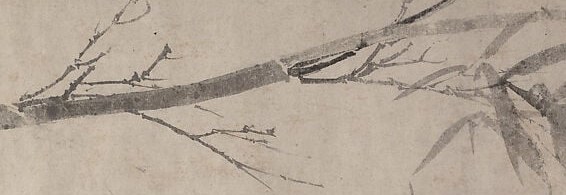
明 唐寅 墨竹圖 卷|Ink bamboo by Tang Yin
This isn't just a painting of bamboo; it's a profound message from the early 16th century Chinese artist Tang Yin. His handscroll, "Ink Bamboo," created around 1497 and now at the Metropolitan Museum of Art, exemplifies the deep symbolic meaning embedded in Chinese art.
Look closely at the single bamboo stalk. Its upright resilience, even with a slight bend, symbolizes integrity and perseverance. The delicate, sweeping leaves reflect flexibility and adaptability, qualities highly valued in scholarly virtue during the Ming dynasty.
Tang Yin, a celebrated literati painter, masterfully combines painting and calligraphy here. His monochrome ink on paper technique emphasizes the essential form and symbolic resonance of the bamboo. This work is a visual poem, reminding viewers to seek virtue and strength, much like the bamboo enduring through all seasons.
What other natural elements do you think hold hidden meanings?
Details
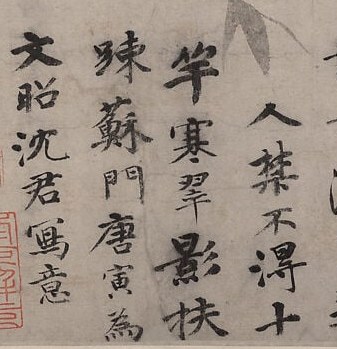
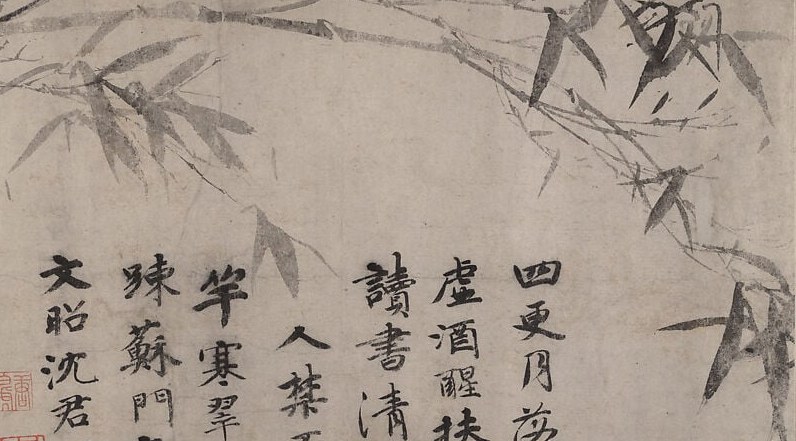
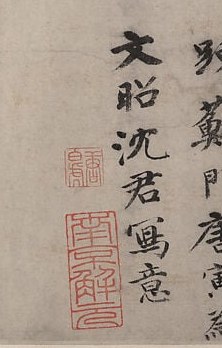
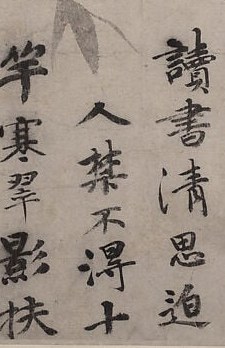
Transcript
This isn't just a painting, it's a message. In Chinese culture, bamboo is a powerful symbol. Its upright posture signifies integrity and resilience. The bending leaves show flexibility and adaptability. These are virtues admired in scholars and gentlemen. The artist, Tang Yin, was renowned for his literati works. His brushstrokes here are both painting and calligraphy. He invites us to find strength in nature's quiet lessons.