Still Life with Clay Pipes by Pieter Claesz
Pieter Claesz's "Still Life with Clay Pipes," painted in 1636, offers a fascinating glimpse into 17th-century Dutch domestic life. This painting, now at the State Hermitage Museum, meticulously renders common objects, revealing the daily customs and values of the time.
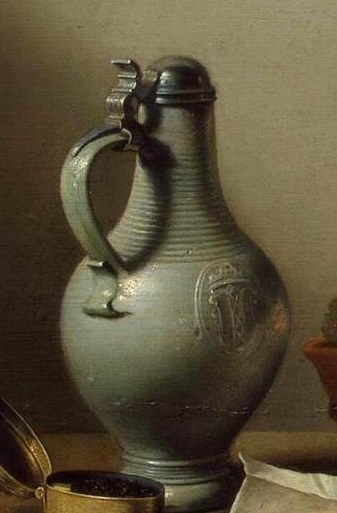
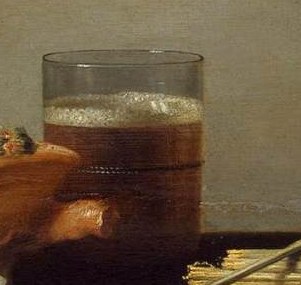
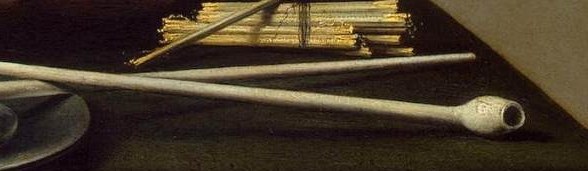
Look closely at the items on the tabletop: a durable stoneware pitcher from Westerwald, a glass of dark beer, and a Gouda-style clay pipe. These were everyday essentials, reflecting popular tastes and pastimes in the Dutch Republic. The open tin of tobacco further illustrates the period's consumption habits.
Yet, the inclusion of overripe, bruised fruit adds a deeper layer of meaning. It's a subtle reminder of transience and the fleeting nature of life and its pleasures, a common theme in Dutch Golden Age still lifes. Claesz masterfully uses light and texture to bring these objects to life, making them witnesses to history.
What everyday object from your life do you think would tell the most about our time to someone 400 years from now?
Details
Transcript
This quiet still life, painted in 1636, shows everyday Dutch objects. This stoneware pitcher, from Westerwald, was prized for its durability. Next to it, a glass of dark beer shows popular drinks of the era. And this long clay pipe, made in Gouda, was a common accessory. It was smoked with tobacco from tins like this one. But the bruised fruit hints that pleasures are fleeting.