Henri III (1551–1589), King of France by http://www.wikidata.org/.well-known/genid/bf3e278c2cf9eab32d7f52c07497339e
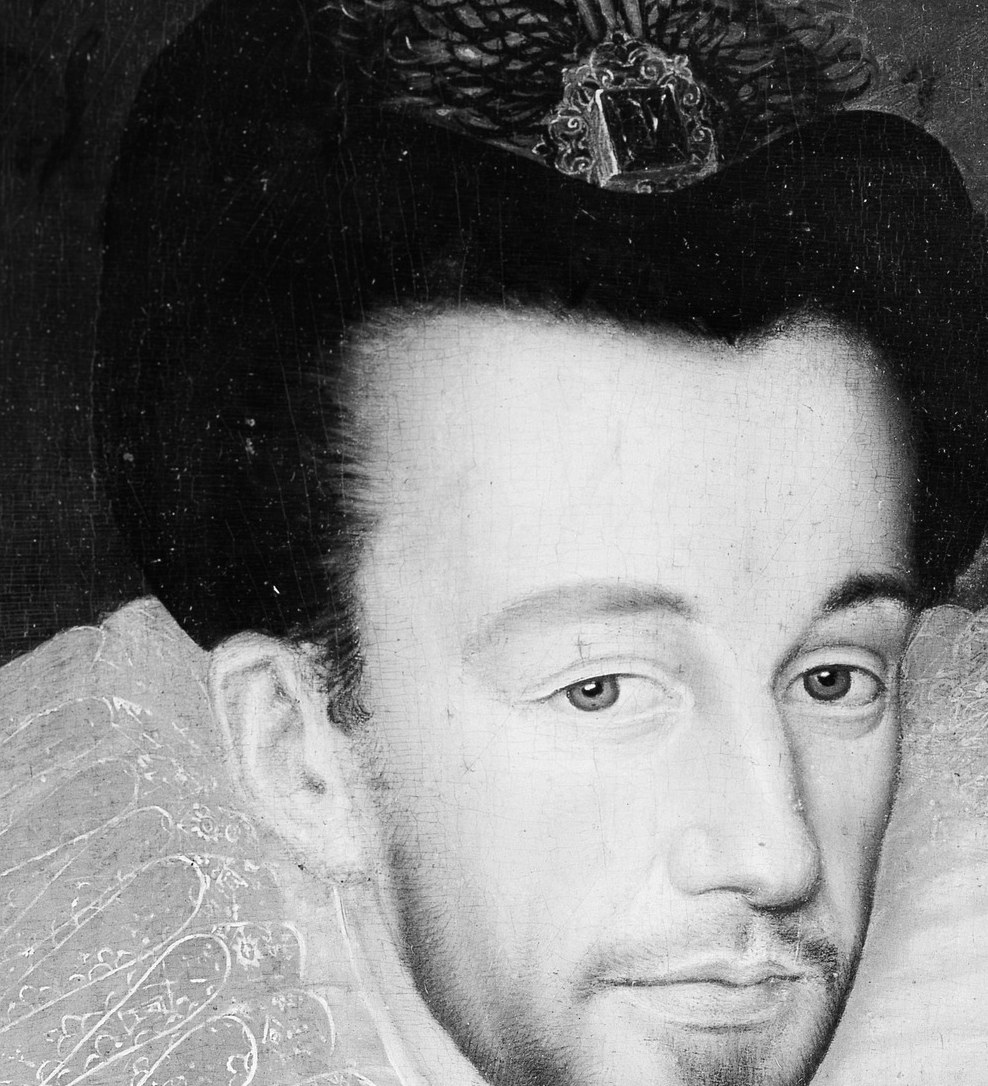
This is a posthumous portrait of Henri III, King of France, painted by an unknown French artist around 1600. Known as the last of the Valois dynasty, Henri was assassinated in 1589, but his image remained a battleground for years after his death. Far more than a simple likeness, this painting is a carefully constructed set of coded messages.
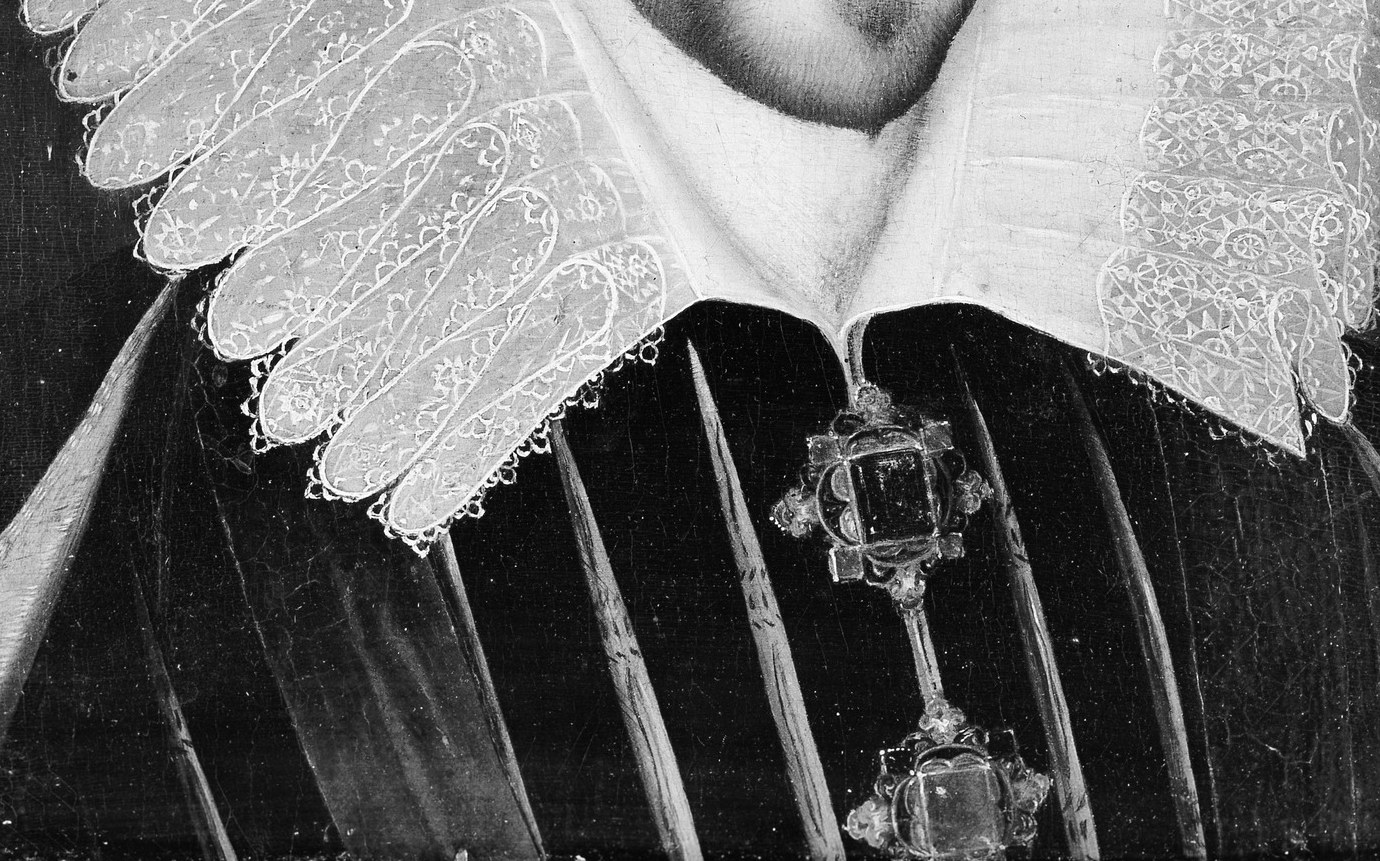
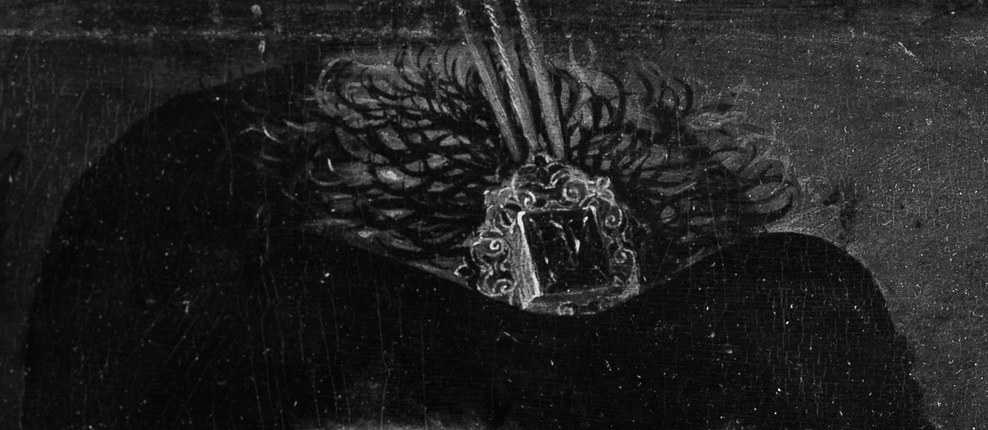
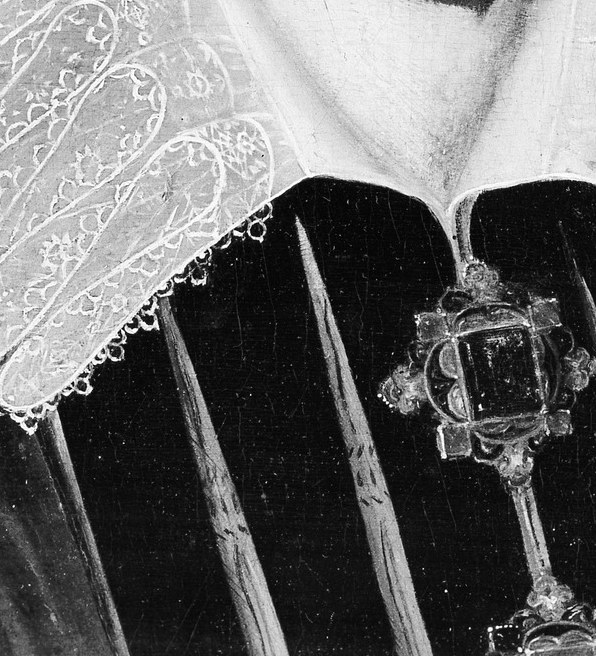
Look first at the stark black of his doublet and hat. This was not a neutral fashion choice. After the deaths of his most intimate companions, Henri adopted deep mourning as a permanent royal aesthetic, encoding personal grief into the ceremony of kingship. Then find the pendant on his chest. That is the insignia of the Order of the Holy Spirit, an order of chivalry Henri himself founded in 1578, deliberately supplanting older, established orders with one entirely loyal to him.
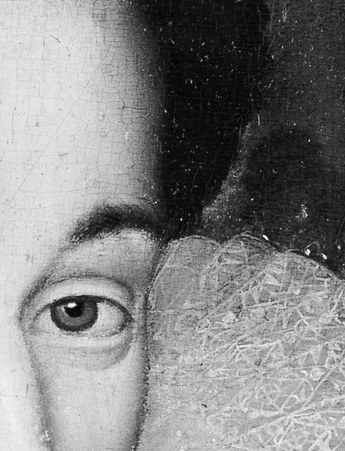
The most subversive detail is the earring. Henri III's taste for earrings was well-known and scandalised the Catholic League, who used it as propaganda to paint him as decadent and unfit. To include it in a formal state portrait, even a posthumous one, was a quiet act of defiance. Every inch of this image was a political argument, stitched in lace and rendered in oil paint.
What other details in royal portraiture do you think hide a story rather than just reflect a face?
Details
Transcript
A king in black, almost swallowed by shadow. The black was a choice. A deliberate code of grief. After his closest companions died, Henri III wore mourning as a uniform. On his chest, the Order of the Holy Spirit. He founded this order himself. No older royal order. His own. This pendant dates the portrait after 1578. And at his ear, a detail that scandalised the Catholic conservatives. A king's earring. Not weakness, but a coded provocation in a state portrait. Every symbol was a message. This is a king writing himself into power through dress.