A Chief Merchant of the VOC with his Wife and an Enslaved Servant by Aelbert Cuyp
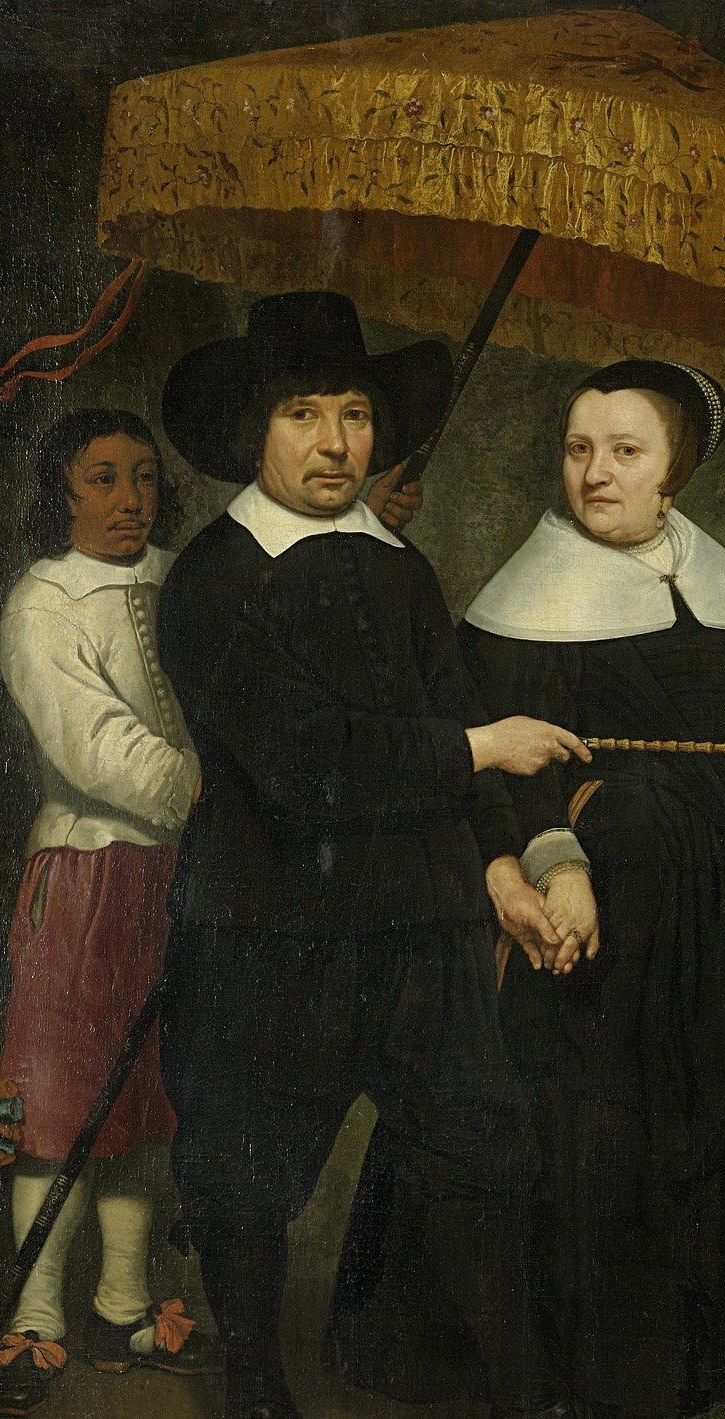
Aelbert Cuyp’s "A Chief Merchant of the VOC with his Wife and an Enslaved Servant," painted around 1650, at the Rijksmuseum, reveals the complex human tapestry woven into the Dutch Golden Age. While seemingly a portrait of mercantile success, it also illuminates the era's colonial practices and the lives shaped by them.
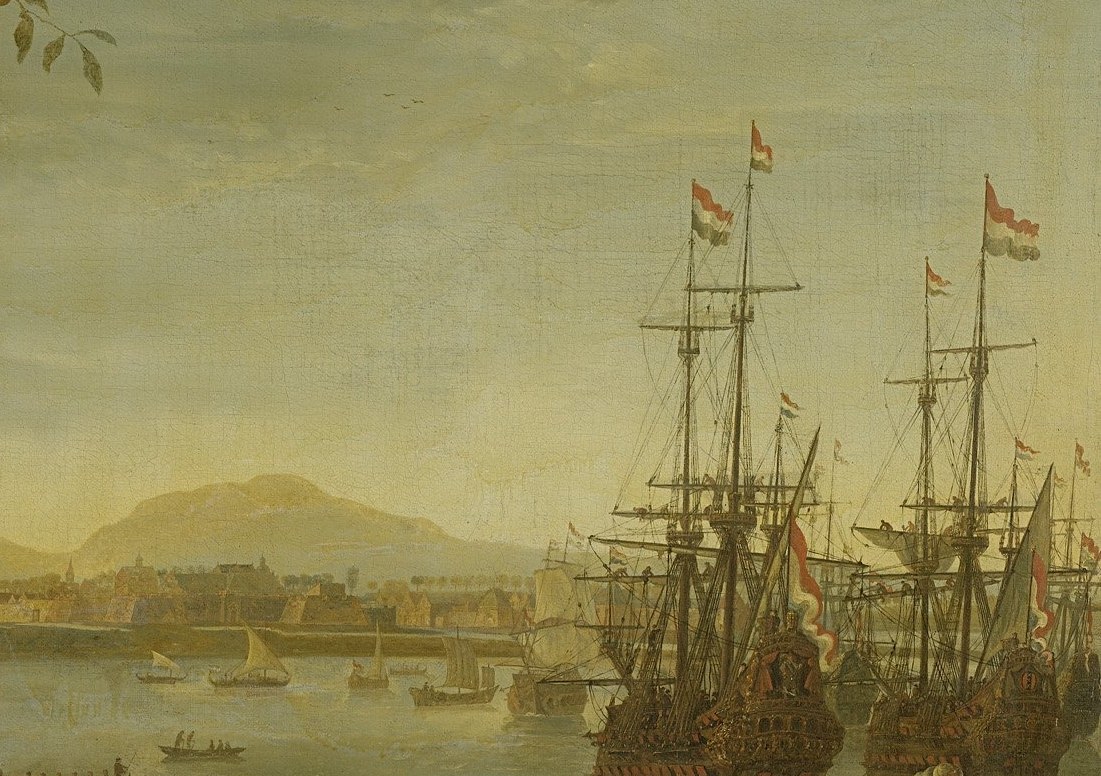
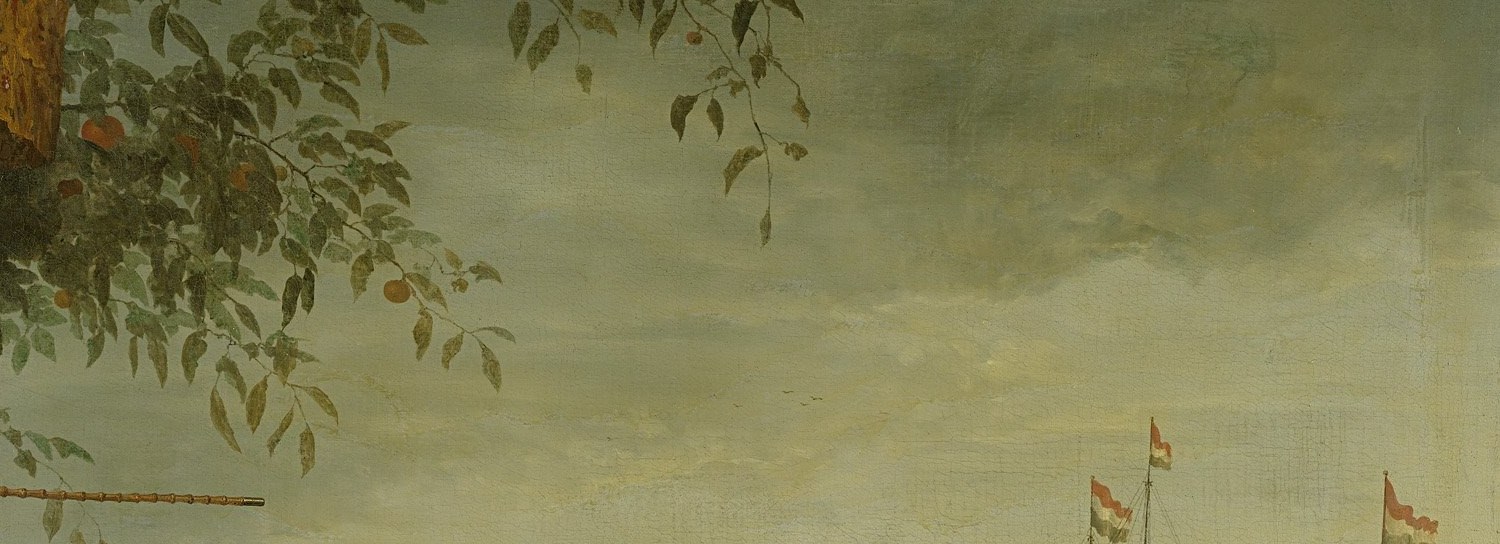
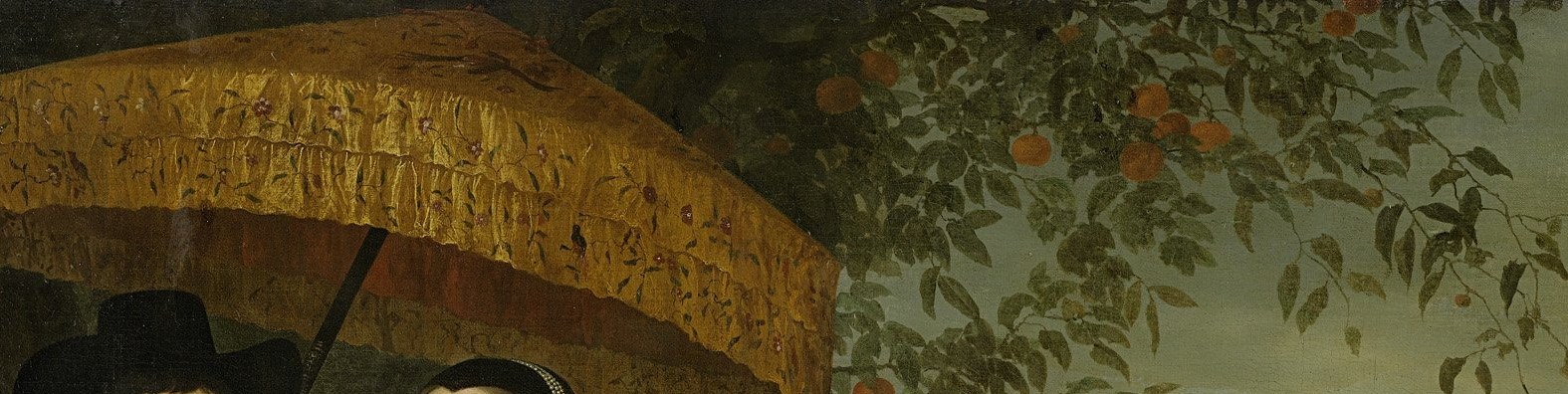
Look closely at the background ships, symbols of the Dutch East India Company (VOC) that generated immense wealth, often through exploitation. The true focus, however, shifts to the enslaved servant holding the parasol, whose presence and gaze speak volumes about the period's social hierarchies and the often-unseen costs of such prosperity.
Cuyp, known for his luminous landscapes, here applies his skill to a scene that, beneath its aesthetic beauty, tells a story of global trade and human subjugation. The painting invites us to consider who profits and who pays in the grand narratives of history.
What stories do you see hidden in plain sight?
Details
Transcript
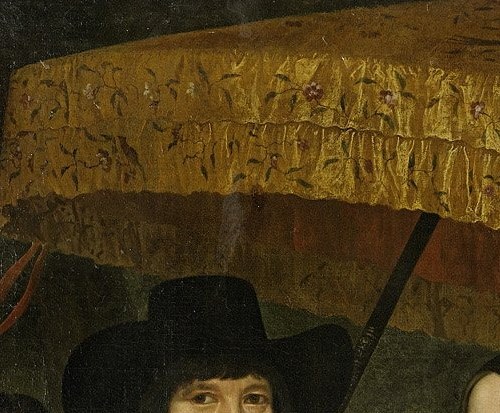
This Dutch Golden Age painting shows a merchant and his wife. His wealth came from the Dutch East India Company, or VOC. These are VOC ships, in a colonial harbor like Batavia. Look closer at the person holding the parasol. This is an enslaved servant, a marker of the couple's status. His gaze, in this Golden Age portrait, carries its own weight.