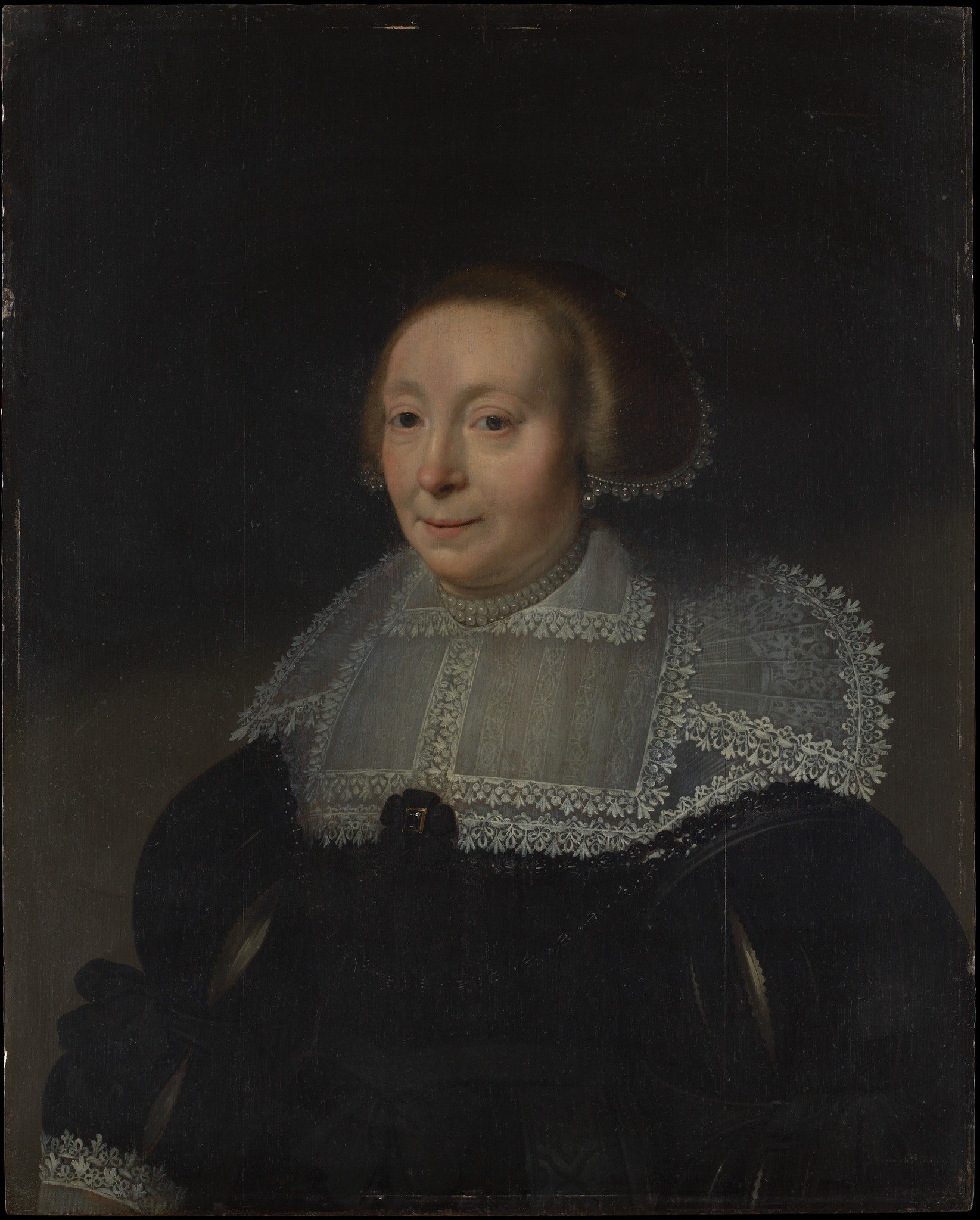
Portrait of a Woman with a Lace Collar by Michiel Jansz van Mierevelt
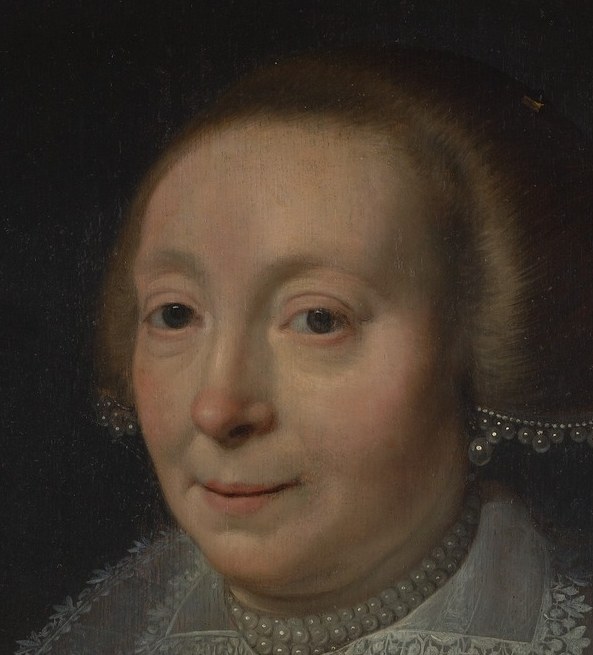
This striking "Portrait of a Woman with a Lace Collar" by Michiel Jansz van Mierevelt, painted in 1632, offers a glimpse into the opulent world of the Dutch Golden Age, now at The Metropolitan Museum of Art.
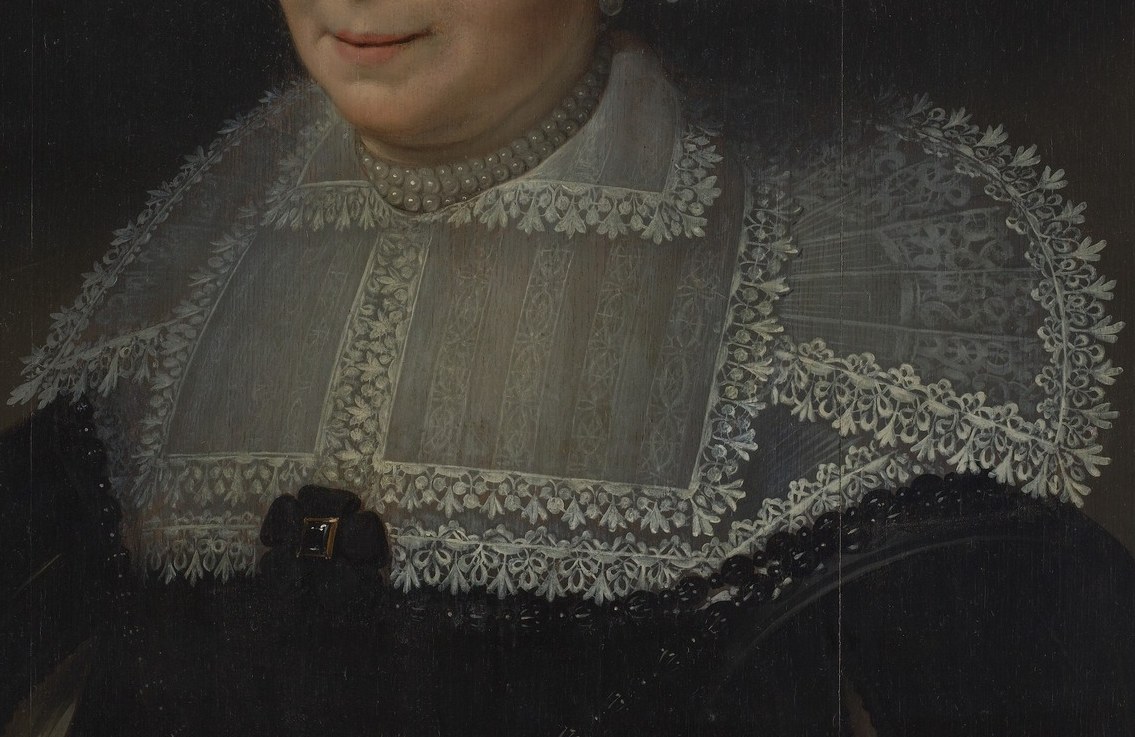
While her calm expression and dark velvet dress speak to quiet dignity, the true extravagance lies in her elaborate lace collar. In 17th-century Holland, such intricate, handmade lace was a powerful symbol of wealth and status.
Crafted from fine threads, often imported and painstakingly made by skilled artisans, a collar like this was incredibly expensive. It could cost as much as a small house, making it an undeniable display of the sitter's affluence. Van Mierevelt, a leading portraitist of his time, masterfully rendered these details, affirming the sitter's place in elite society.
What other subtle symbols of status do you notice in portraits from this period?
Details
Transcript
This woman lived in Holland's Golden Age. Her calm face shows the refined appearance of the time. But look closely at her lace collar. Such intricate lace was handmade, costly, and imported. It was a clear sign of wealth and social status. A single collar could cost as much as a small house.