Two Ottoe Chiefs and a Woman by Catlin, George
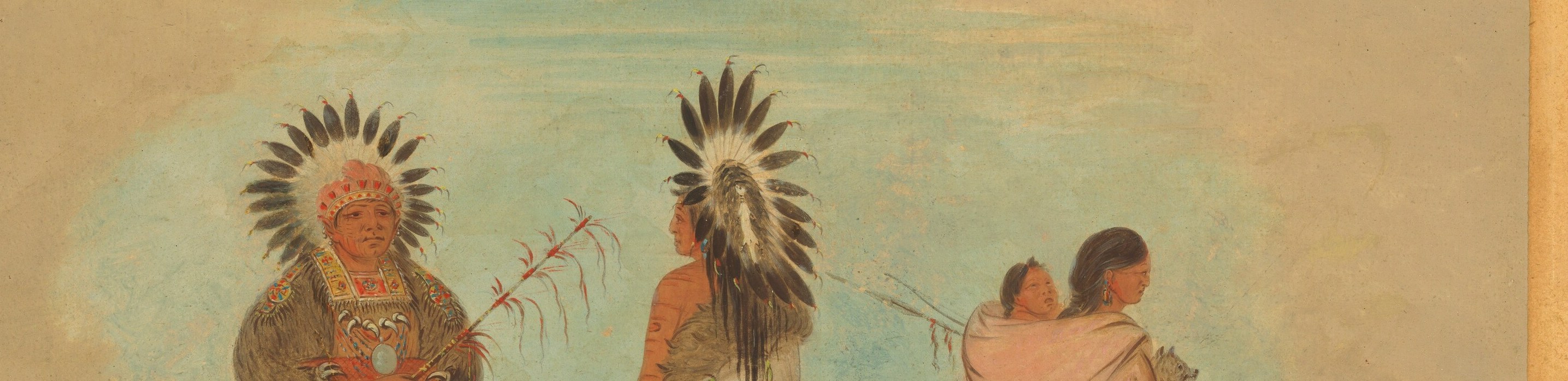
George Catlin's 'Two Ottoe Chiefs and a Woman,' painted between 1861 and 1869, offers a glimpse into his extensive documentation of Native American life. This oil on card, now in a museum collection, captures the distinct attire and presence of the Ottoe people.
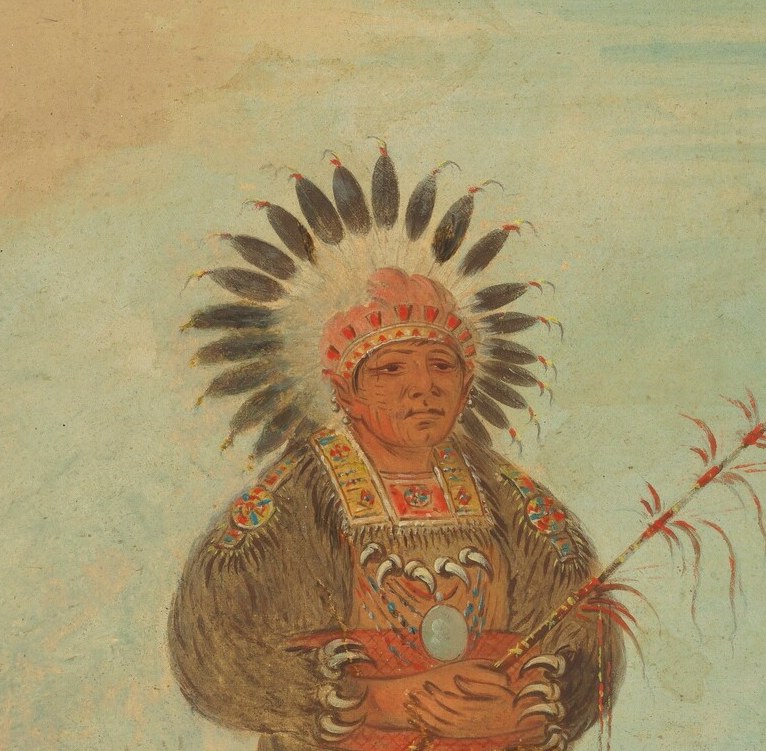
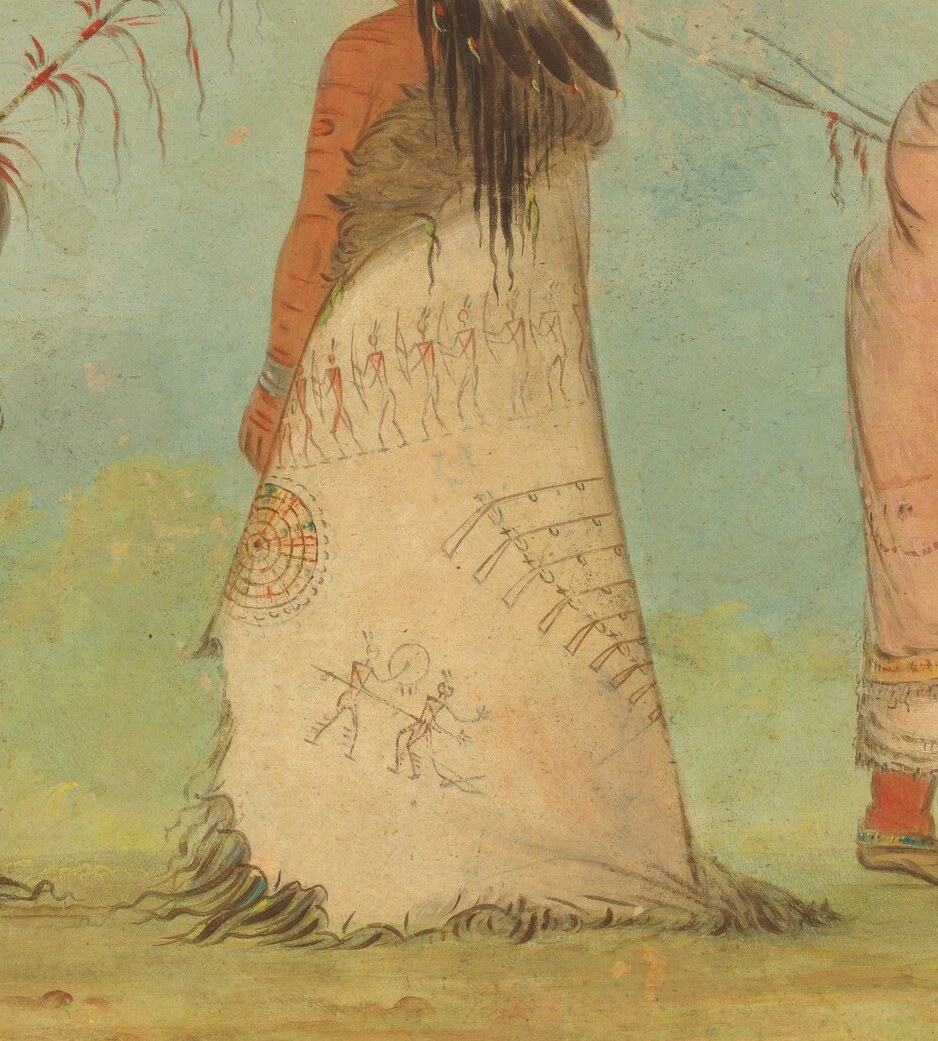
In this portrait, observe the intricate feathered headdresses of the two chiefs and the detailed patterns on the woman's blanket. Catlin used a glazing technique, building color through thin, translucent layers to give depth to these important cultural details.
Originally a lawyer, Catlin made five expeditions to the American frontier in the 1830s, dedicating his career to painting and writing about the Plains Indians. His work forms a significant visual record of these cultures, though it has also sparked discussions about representation and historical accuracy.
Catlin's sustained focus made him a crucial chronicler of early American Indian life. What do you notice first about the figures in this painting?
Details
Transcript
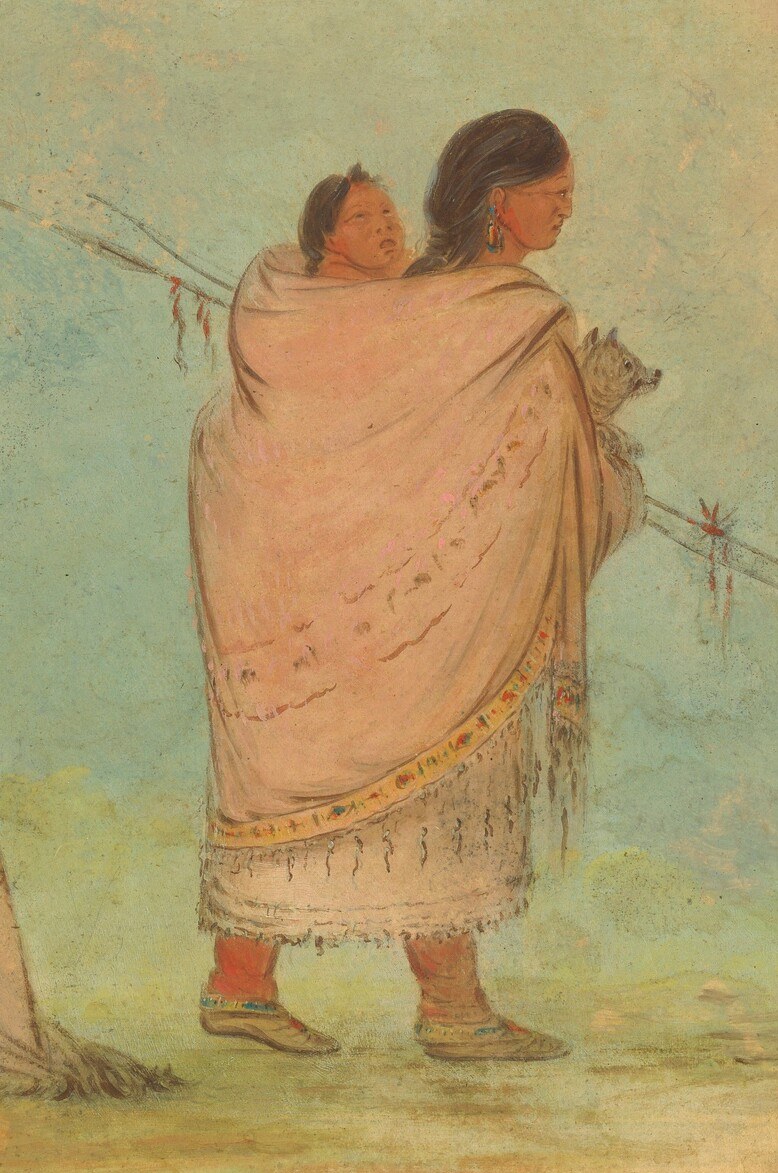
This painter spent years documenting Plains Indian life. He made five expeditions to the American West in the 1830s. Here, two Ottoe chiefs and a woman are portrayed. The chiefs wear elaborate feathered headdresses. The artist used thin layers of oil paint to create depth. The woman carries a child, representing continuity. These works became a primary record of early American Indian cultures.