Portrait of Michel le Blon (1587-1657). Agent of Queen Christina of Sweden, goldsmith and engraver by Anthony van Dyck
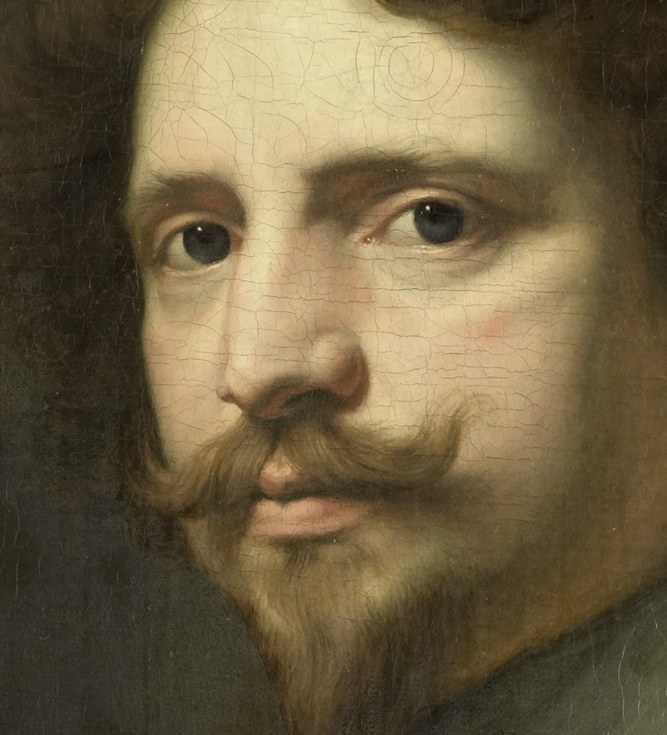
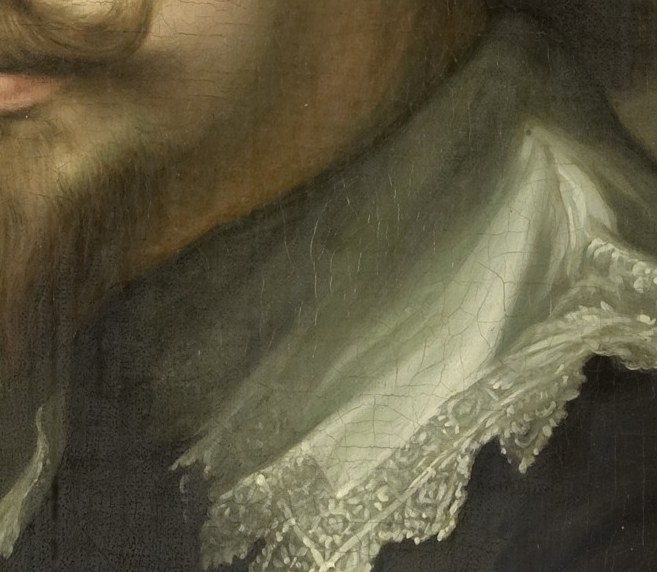
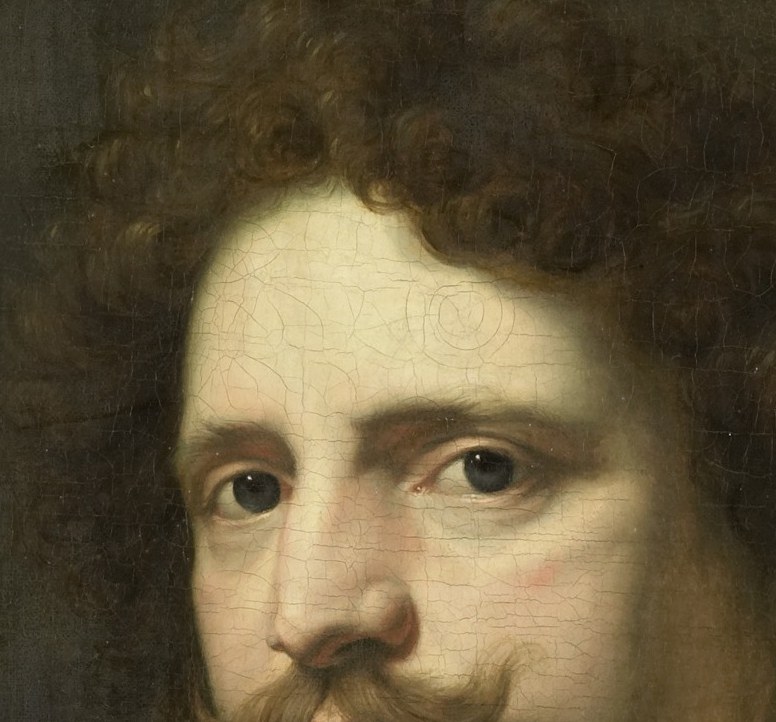
Anthony van Dyck's "Portrait of Michel le Blon," painted around 1650, at the Rijksmuseum, subtly portrays its subject with an unexpected artistic identity.
Michel le Blon was a significant figure, serving as an agent for Queen Christina of Sweden and known for his skills as a goldsmith and engraver. Yet, Van Dyck, a master of Flemish Baroque portraiture, chose to present him with the tools of a painter.
This visual cue elevates Le Blon's artistic skill and connects his commercial expertise with the creative prestige of the court. Van Dyck's meticulous brushwork and use of chiaroscuro emphasize Le Blon's calm expression, drawing attention to his illuminated features against a dark, unadorned background. It's a testament to the artist's ability to imbue a portrait with a deeper narrative.
What other hidden layers might portraits conceal?
Details
Transcript
This man was an agent for a Queen. Michel le Blon, he managed Queen Christina of Sweden's affairs. He was also a renowned goldsmith and engraver. But the painter, Anthony van Dyck, gave him another identity. Van Dyck subtly portrays him as a painter, too. A nod to his artistic skill beyond commerce.