Two Wings of a Triptych with the Portraits of Julien de Brouckere and his Wife Elisabeth Canneel by http://www.wikidata.org/.well-known/genid/0a1084f9193e1fccbc860fbc1a941af4
This intriguing pair, Julien de Brouckere and Elisabeth Canneel, were captured in a joint portrait in 1584. Originally part of a larger triptych, these panels showcase the careful detail of late 16th-century Flemish portraiture.
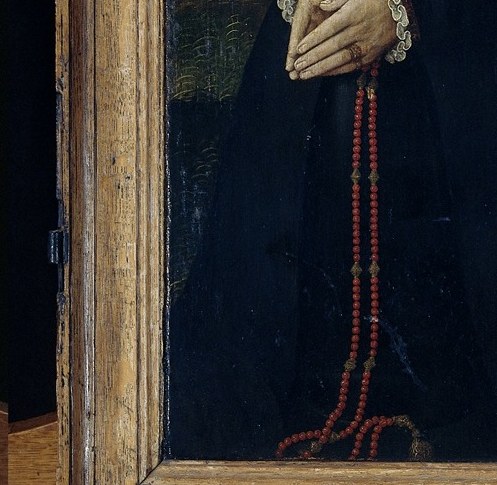
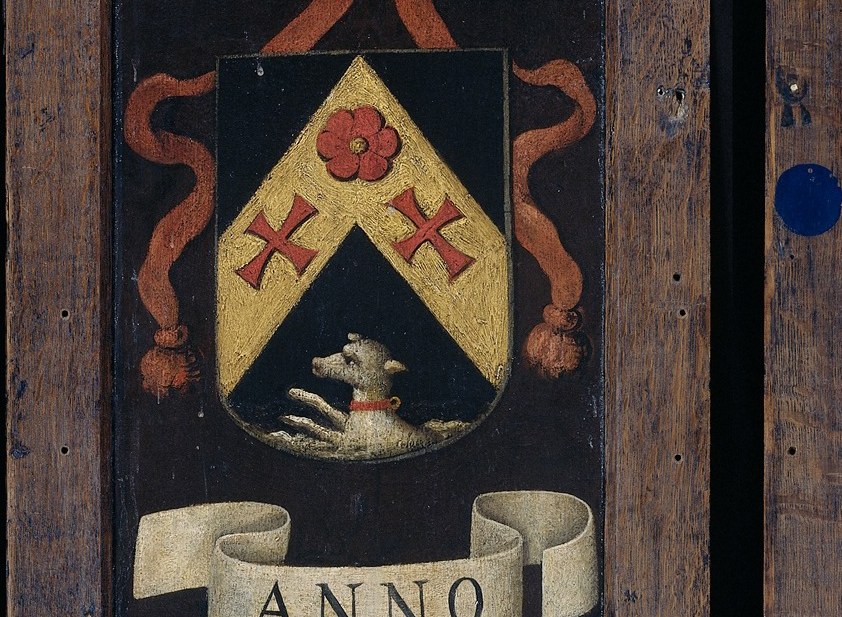
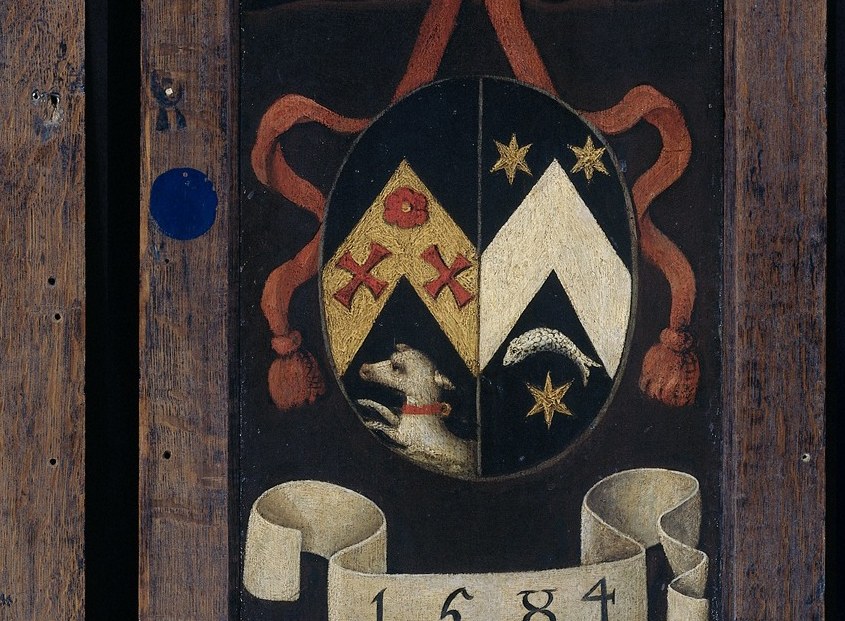
Look closely at the symbols of their lives: his hands clasped in prayer, her rosary, and the heraldic shields that speak to their family history and social standing. The muted landscapes behind them root the figures in a specific place and time.
Executed in oil on wood, this work exemplifies the period's preference for realistic depictions of the burgeoning bourgeoisie. The painting passed through various collections before finding its home at the Rijksmuseum in Amsterdam. It offers a glimpse into personal and genealogical functions of portraiture in the Low Countries.
What details do you notice first when you look at their faces?
Details
Transcript
This husband and wife stare out, almost a challenge. Their joint portrait was painted in 1584. See how the artist painted his hands, clasped in prayer. And her rosary, a symbol of faith and status. These two panels were once part of a larger triptych. Each shield displays their family lineage and history.