Thomas W. Dyott by Neagle, John
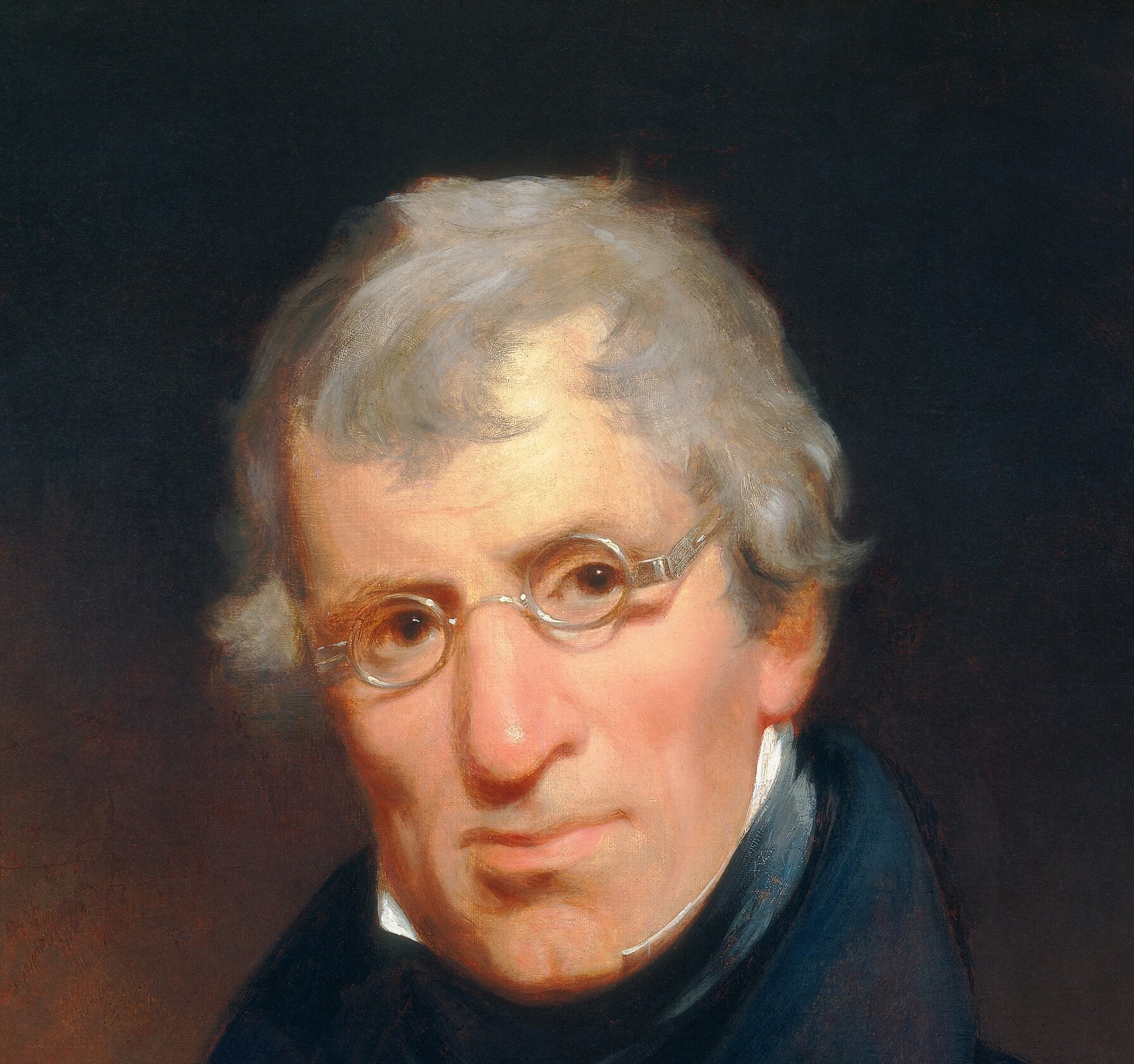
John Neagle painted Thomas W. Dyott around 1836, capturing the 'Quaker doctor' at the peak of his influence in Philadelphia. The portrait now hangs in the collection of the Philadelphia Museum of Art. Dyott was no ordinary merchant; he was the city's largest producer and retailer of patent medicines, a self-made magnate who fashioned himself as a man of science and integrity.
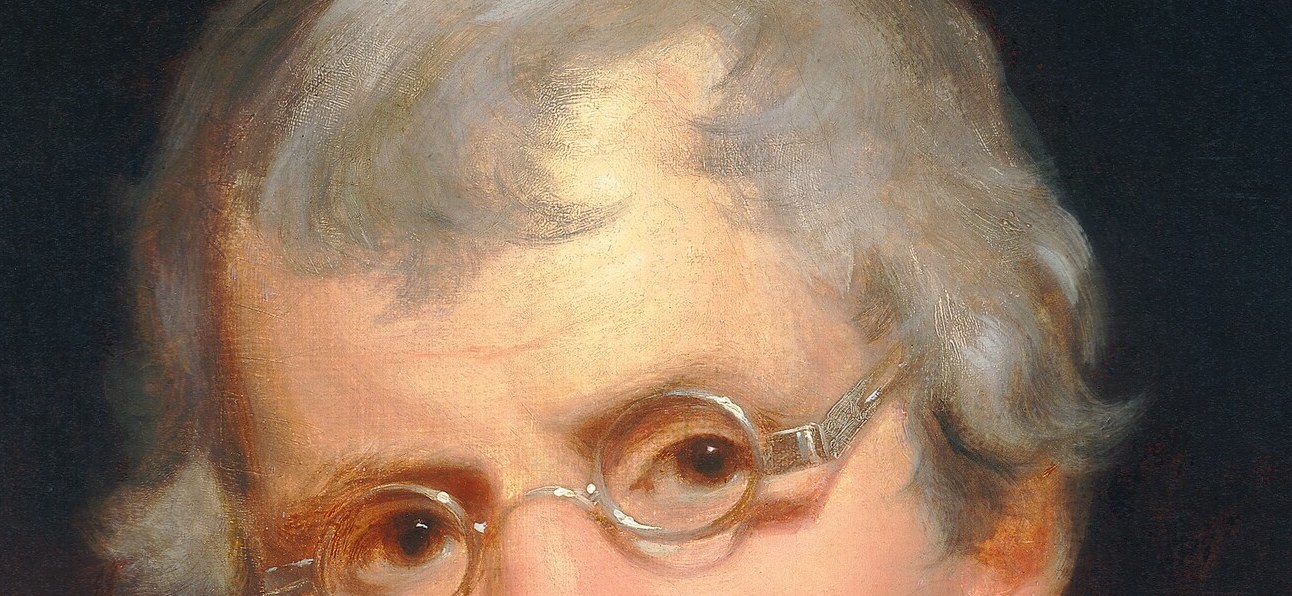
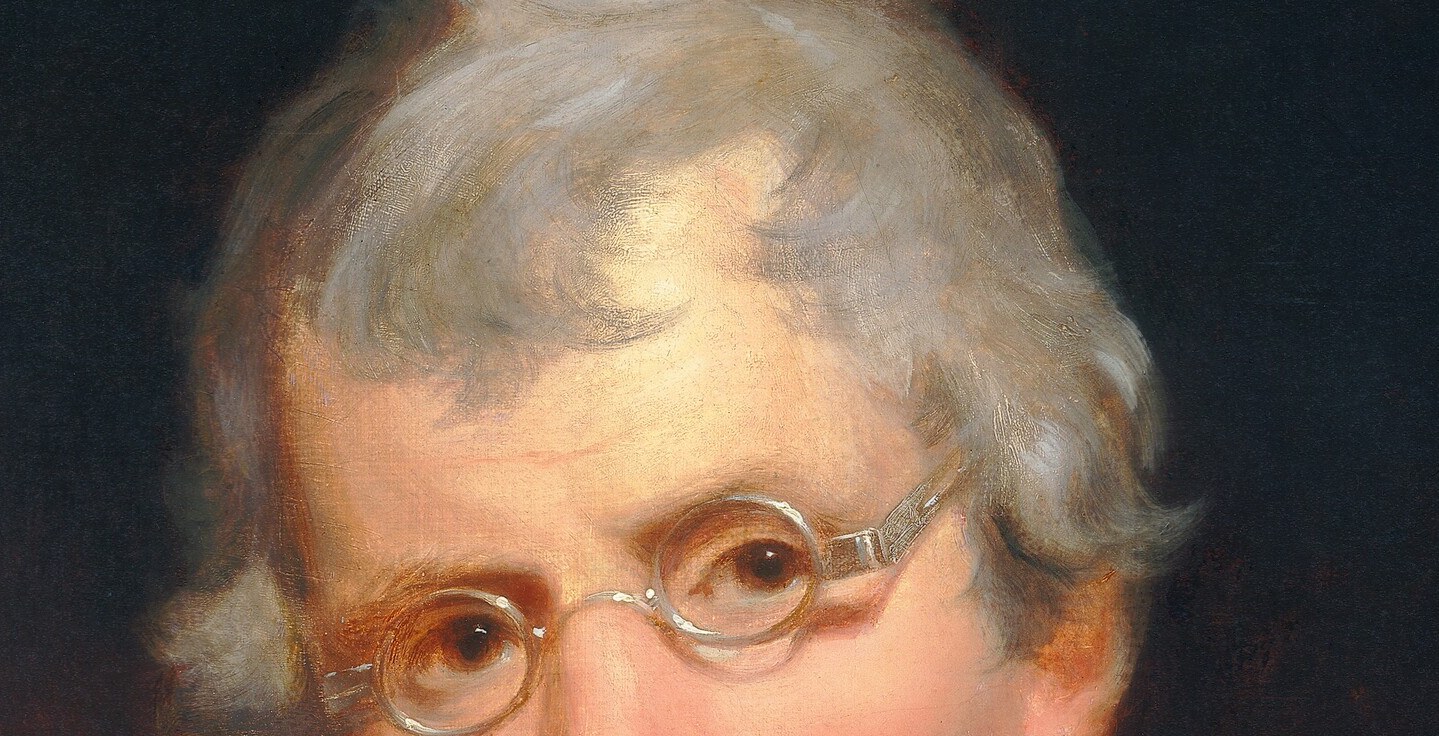
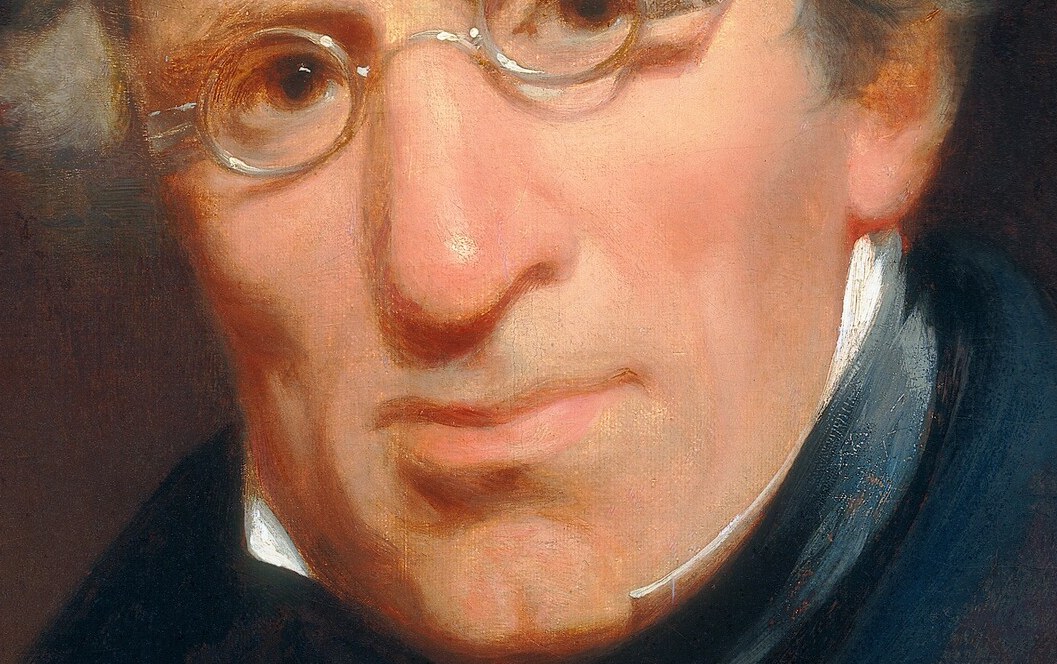
Look closely at his face. The wire-rimmed spectacles were an unusual choice for formal portraiture of the time, signaling a deliberate rejection of vanity in favor of the image of a learned professional. The luminous highlight on his forehead, a technique Neagle borrowed from Rembrandt, visually crowns the sitter's intellect. But the tightly closed mouth and set jaw suggest something harder than scholarly calm: the resolve of a man holding a fragile story together.
The detail most viewers miss is his hand, resting at the lower frame. Neagle was known for emphasizing hands to convey character. Here, the cropped glimpse adds life, but it also hints at the precariousness of his position. Two years after this painting was completed, Thomas W. Dyott's unlicensed bank collapsed in a spectacular failure, wiping out the savings of many working Philadelphians. He faced criminal charges, fled the state, and eventually returned to die in obscurity.
This portrait freezes a man on the edge of ruin, still wearing the face of success. It asks what a portrait can truly show, and what it must inevitably hide.
Details
Transcript
Philadelphia, 1836. This man built an empire. He sold remedies to a city that believed in him. Wire-rimmed spectacles: a rare accessory for a portrait. He chose to be seen as a reader, a man of precision. But the firm jaw is a mask. His ledgers were a fiction. Within two years, Dyott's Bank would collapse. He fled from creditors, ending his days as a fugitive.