The Afternoon Meal (La Merienda) by Luis Egidio Meléndez
This is The Afternoon Meal (La Merienda), painted around 1772 by the Spanish master Luis Egidio Meléndez, now in the collection of the Metropolitan Museum of Art. Meléndez died in poverty and received almost no recognition in his lifetime, yet today he is regarded as the greatest Spanish still life painter of the 18th century.
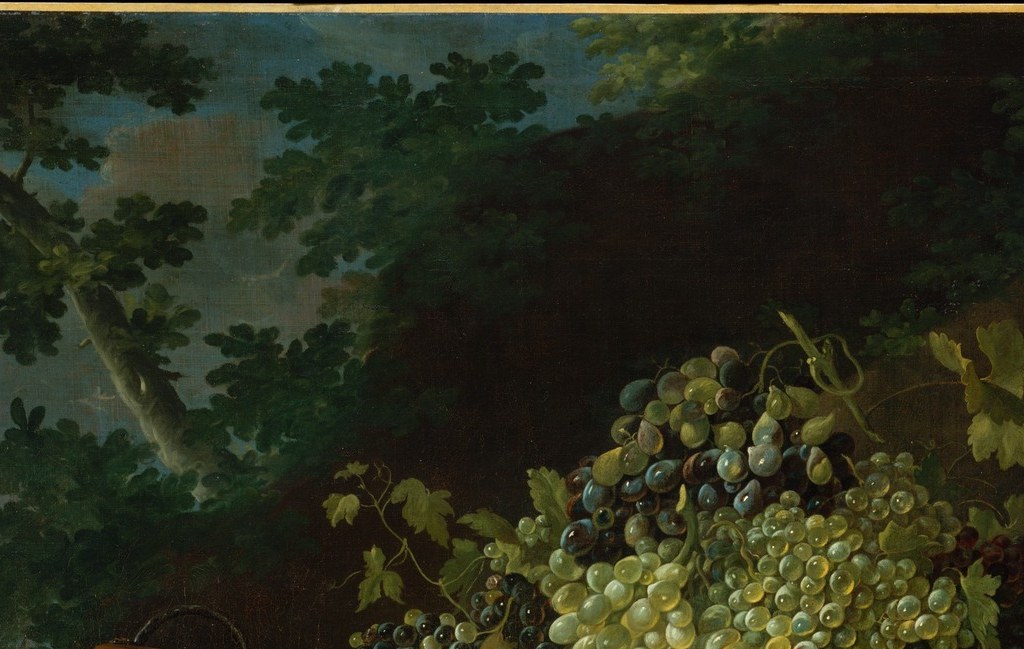
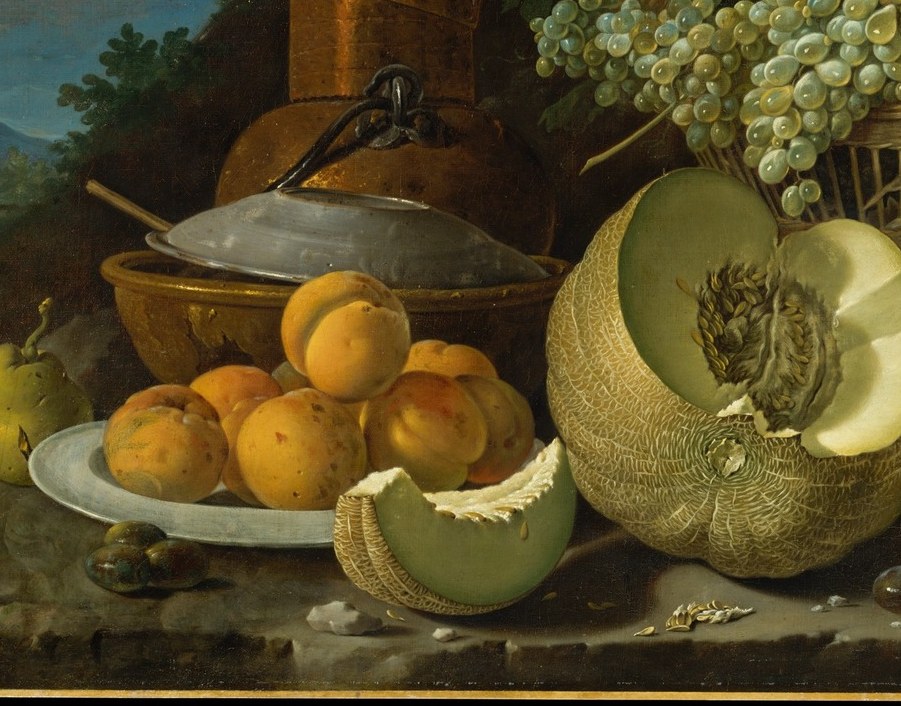
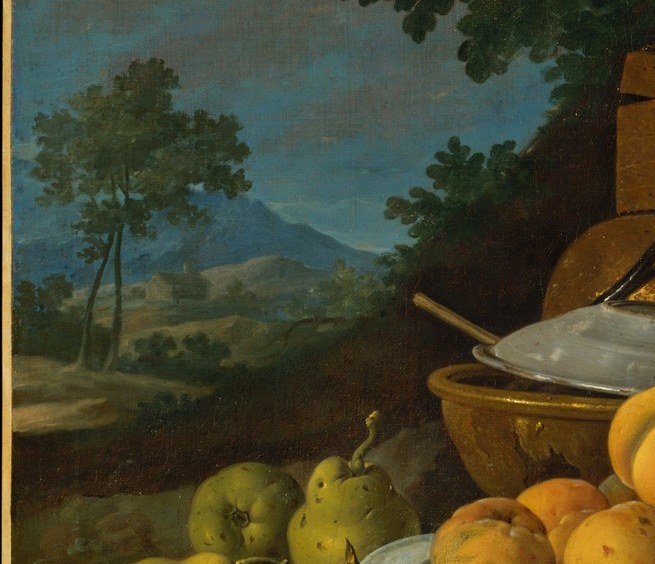
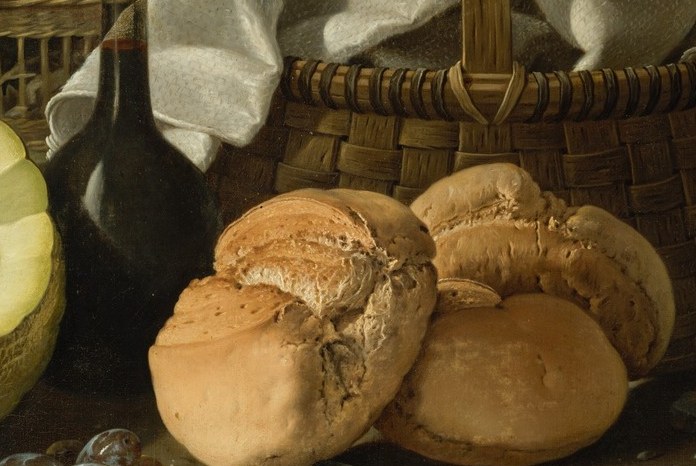
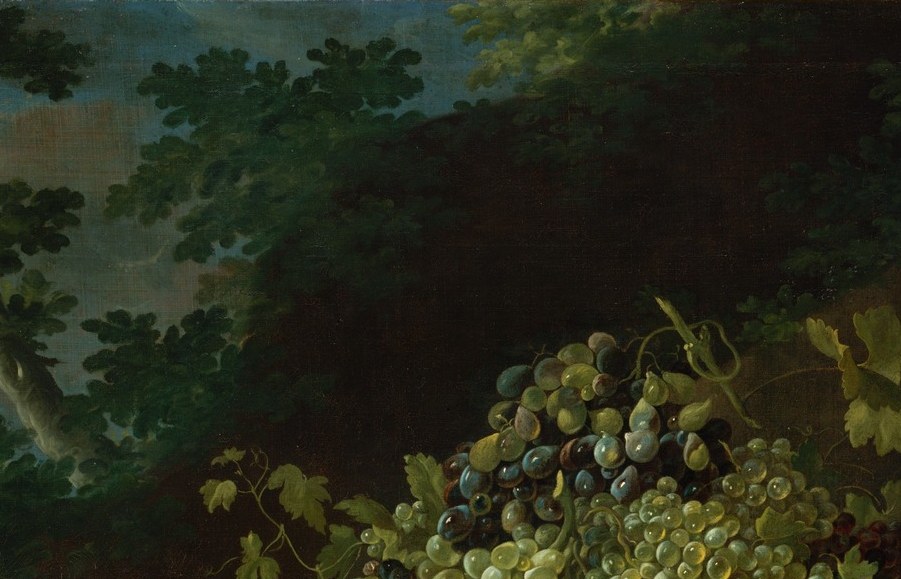
The painting looks almost effortless at first glance: a casual picnic spread on a stone ledge with fruit, bread, and a view of the countryside behind. But spend a moment with any single element and the sheer technical control becomes overwhelming. The green grapes are the star, each one catching light at a slightly different angle, some translucent, some opaque. Beside them, a halved cantaloupe shows cool, wet flesh and tiny seeds; bread rolls sit with dry, matte crust just inches from glossy citrus rinds and rigid woven wicker.
Meléndez's secret was his total refusal of glazing. While many still life painters built up thin transparent layers to create shine and depth, he laid down opaque pigment directly, stroke by stroke, building every highlight and shadow on the palette. A grape skin, a melon cavity, a linen fold, each surface demanded its own distinct brush logic, and he had to get it right the first time. This technique gives his objects an almost sculptural weight.
He once described himself as a painter of "the humble things of the kitchen." He never got the royal commissions he wanted. But the skill sitting on this stone ledge is unmistakable, a man who understood exactly how light meets the physical world, and taught himself to rebuild it in paint.
Details
Transcript
A picnic spread on a stone ledge. Nothing more. But look at the grapes. Each one catches light differently. Meléndez never glazed. He built every surface in opaque paint. Now the melon. Wet, cool, fibrous flesh beside dusty rind. Bread crust, dull and dry. Glossy citrus skin. Woven wicker. Six textures on one table. Each requires a different brush stroke. No glaze, no transparency. Just layered pigment and nerve. He died poor. This technique was his whole inheritance.