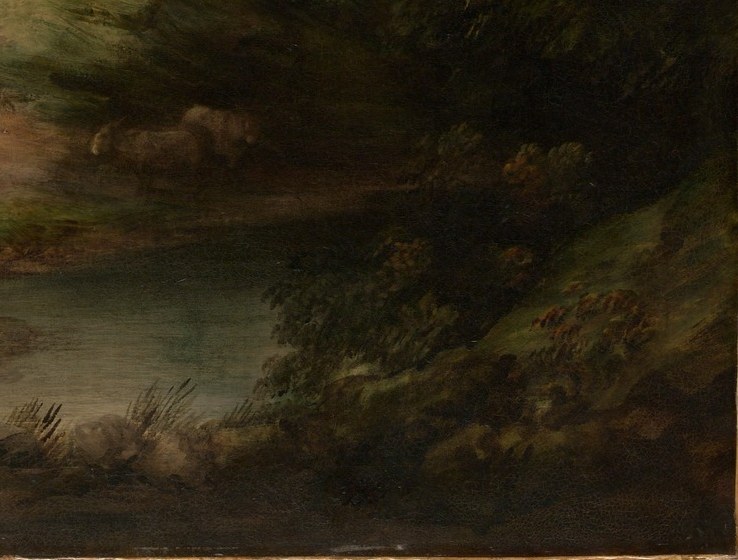
Wooded Upland Landscape by Thomas Gainsborough
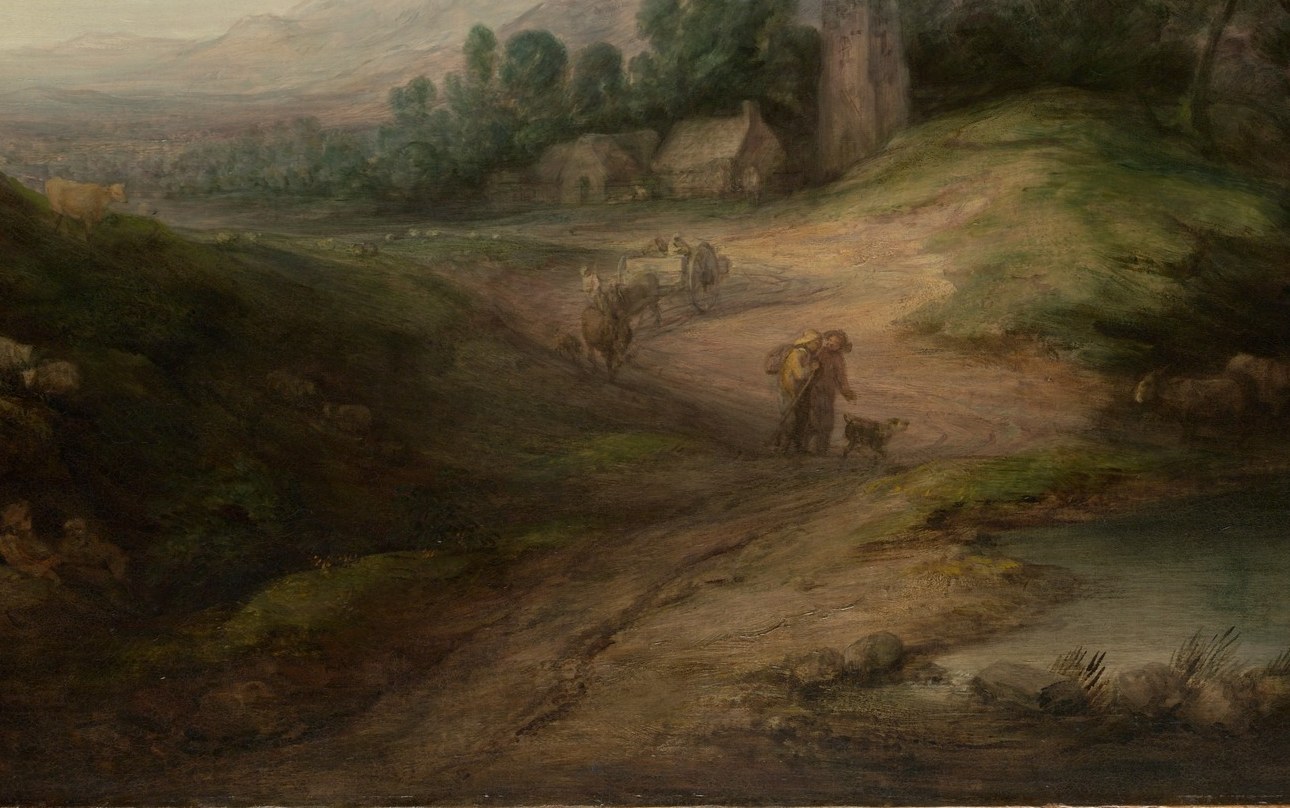
Thomas Gainsborough painted 'Wooded Upland Landscape' in 1783, and it hangs today in the Metropolitan Museum of Art. For centuries it has been read as a serene, romantic view of the English countryside, a perfect example of the Rococo pastoral ideal Gainsborough loved more than portraiture. But the real story is darker: this is a landscape under threat.
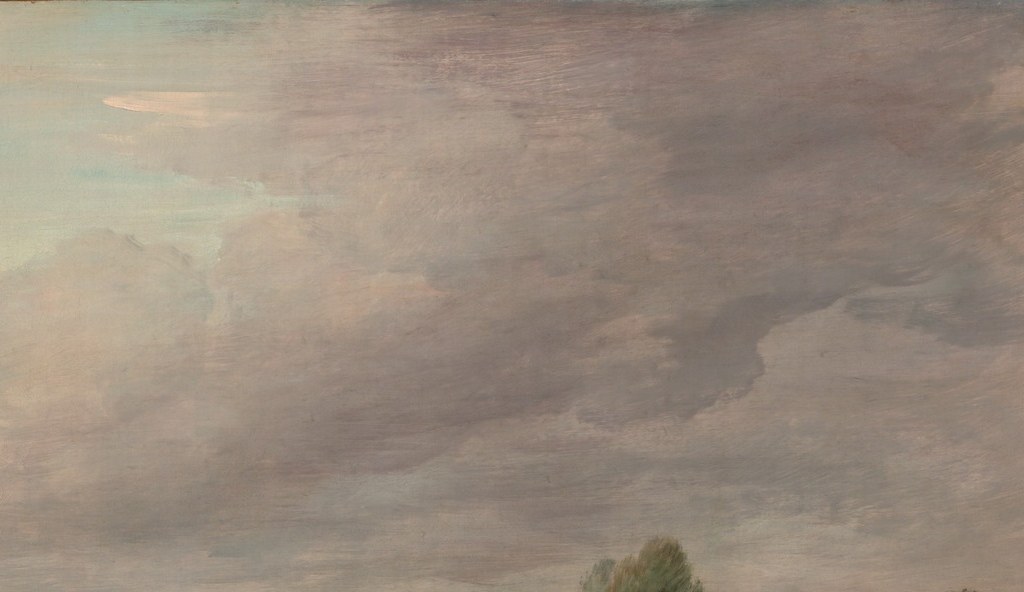
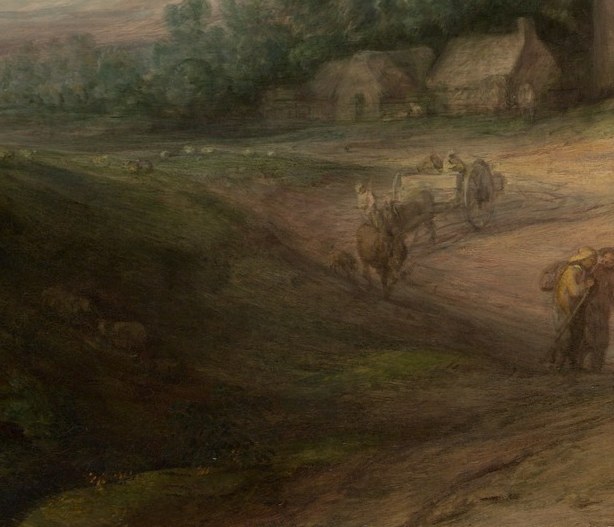
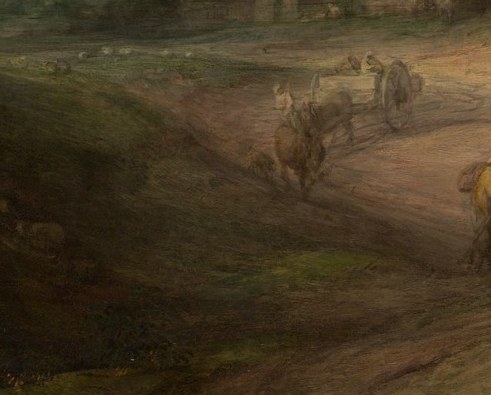
The sky is a rush of storm clouds with a single, fragile break of golden light. Travellers on the winding dirt path are not tourists; they are people in transit, with animals and a wagon carrying their worldly goods. Every detail, from the scrubby foreground to the hazy blue hills, is painted with an atmospheric tenderness that feels more like a farewell than a celebration.
While Gainsborough worked, the Enclosure Acts were transforming rural England. Common land that villagers had farmed for centuries was being legally seized by the wealthy and fenced off. The winding paths Gainsborough depicted as the compositional spine of his landscapes were precisely the routes being erased. He was painting a way of life that was literally vanishing beneath his feet.
It is a painting about loss disguised as beauty. The road is a memory, the light a goodbye. Look at the dirt path next time you see a Gainsborough landscape: it was already becoming an illusion.
Details
Transcript
Storm clouds roll across the sky. A light breaks through, but it feels fleeting. Travellers move along a winding road. They are not on a pleasure stroll. They carry their lives with them. Gainsborough painted this in 1783, during the peak of the Enclosure Acts. These laws seized common land from villagers and fenced it off for private profit. So the very paths he made so beautiful were being erased. The painted road is a memory. The golden light is a goodbye.