Still Life with Huntsman by Frans Snyders
Frans Snyders' "Still Life with Huntsman," painted in 1614 and held at the Mauritshuis, is a masterclass in capturing texture with oil paint. It’s an opulent display of game and produce, reflecting the values of prosperity and mastery over nature in the Flemish Baroque era.
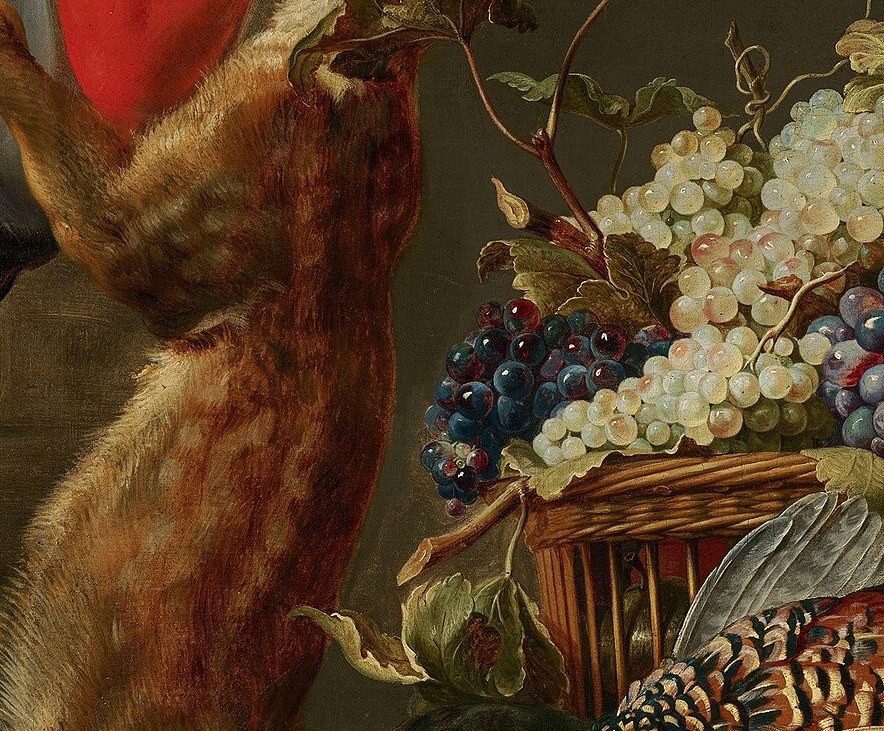
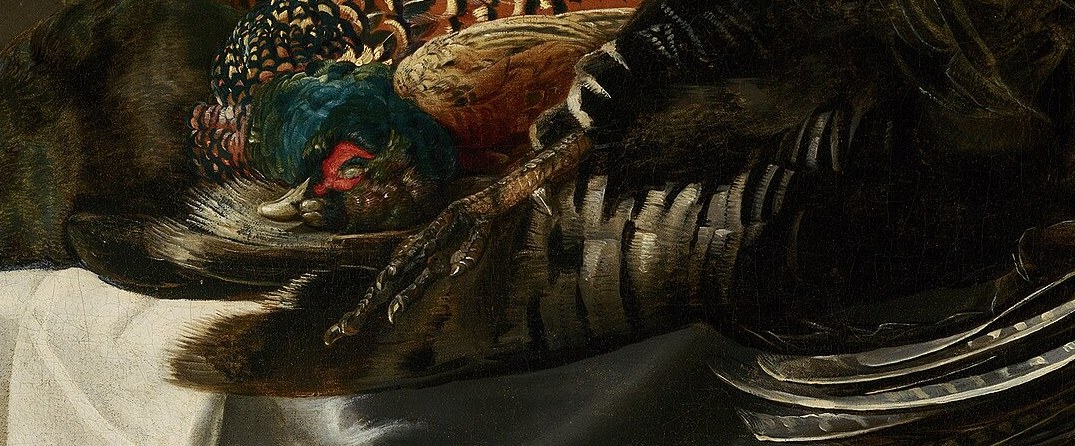
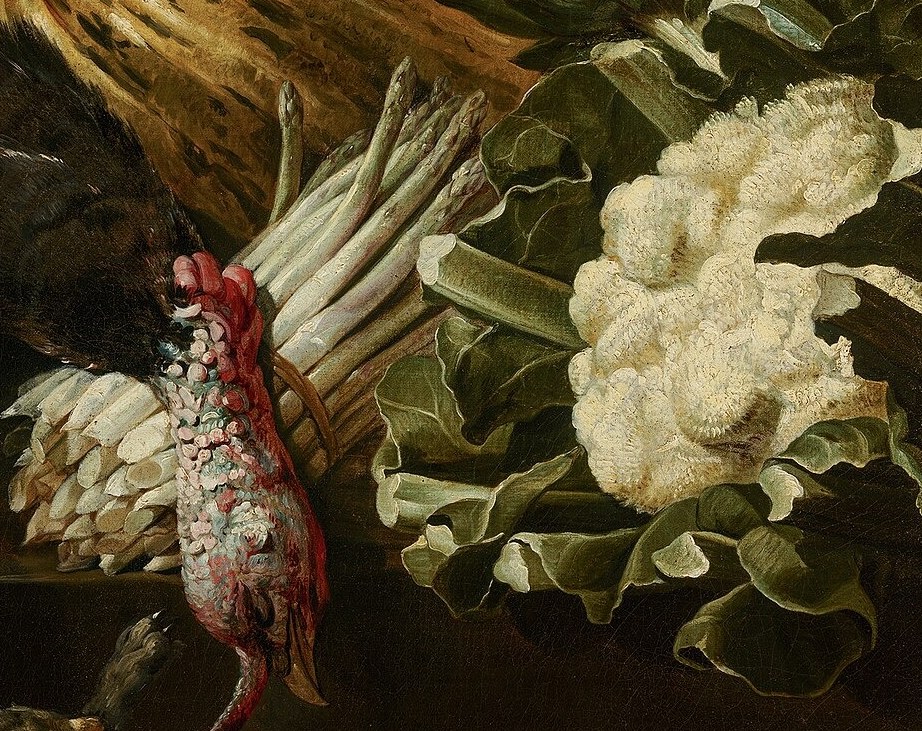
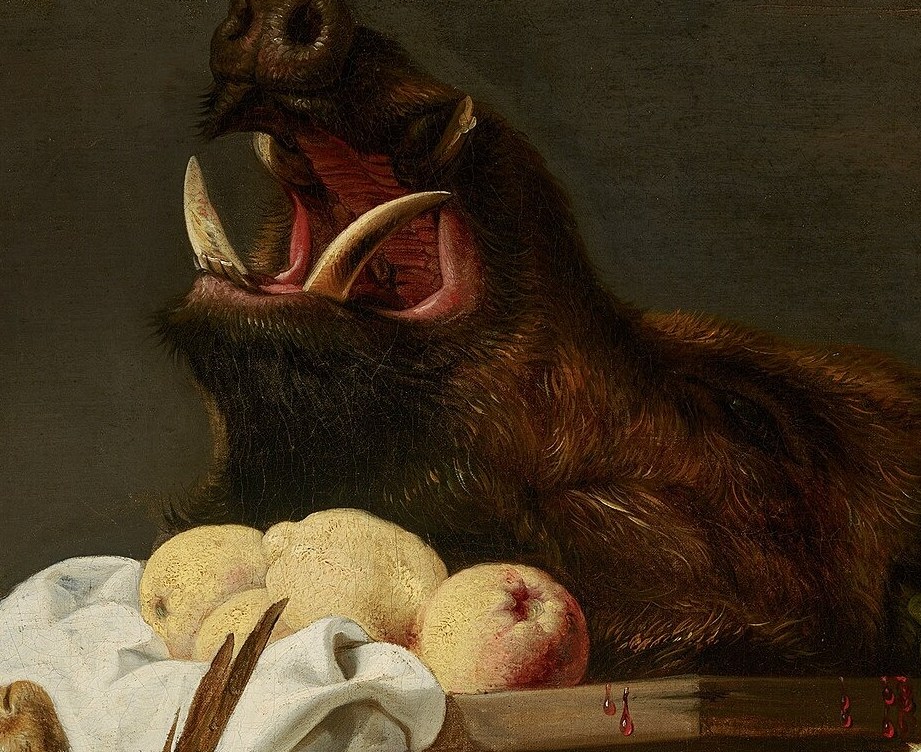
Take a close look at the hanging rabbit's fur and the delicate feathers of the pheasant. Snyders meticulously rendered each detail, making the textures almost tangible. Even the spiky artichokes and crisp white cabbage showcase his incredible skill in bringing still-life elements to life.
Snyders was a renowned Flemish Baroque painter, famous for his market scenes, hunting scenes, and still lifes. He often collaborated with other leading artists of his time, like Peter Paul Rubens. His ability to convey such realism was highly sought after by affluent patrons, turning these works into affirmations of wealth and decorative pieces.
This painting isn't just a depiction of a bountiful hunt; it's a testament to the power of paint to evoke the senses. What texture do you find most impressive?
Details
Transcript
This 1614 painting captures the bounty of a hunt. Look at the texture of this rabbit's fur, still soft. The painter built each strand of hair with oil paint. And the intricate feathers of the dead pheasant. Every detail shows off the artist's remarkable skill. Even the spiky leaves of the artichokes feel real. The Flemish master created a feast for the eyes.