Curfew Hour by Albert Pinkham Ryder
Albert Pinkham Ryder's "Curfew Hour," painted by 1882 and held at the Smithsonian American Art Museum, captures a profound sense of introspection through its unique technique.
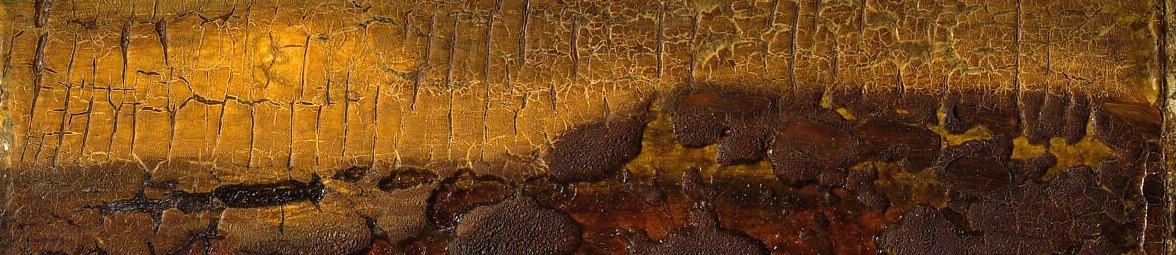
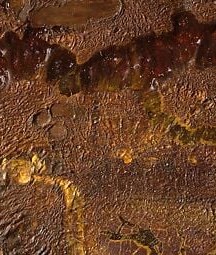
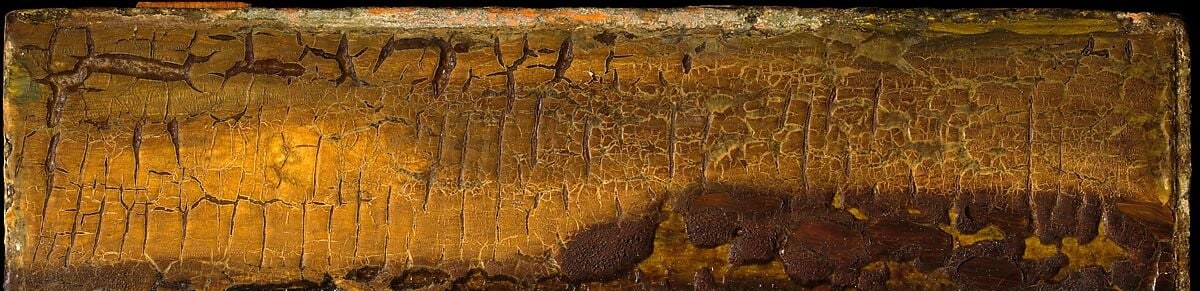
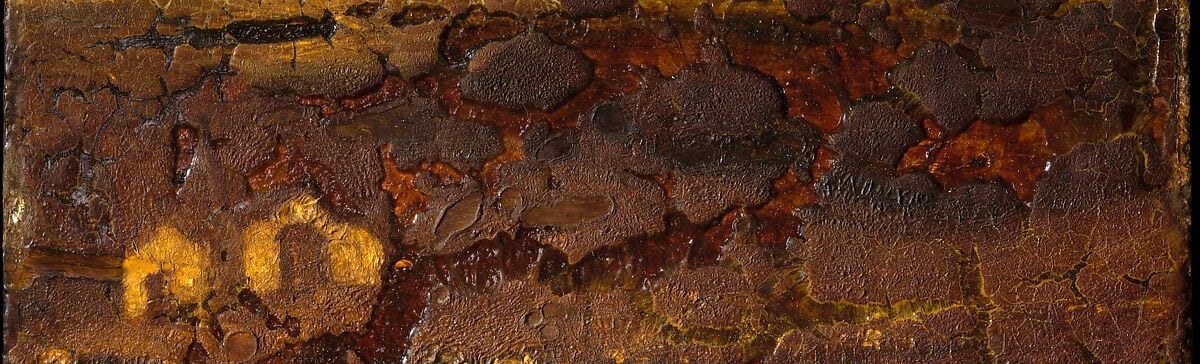
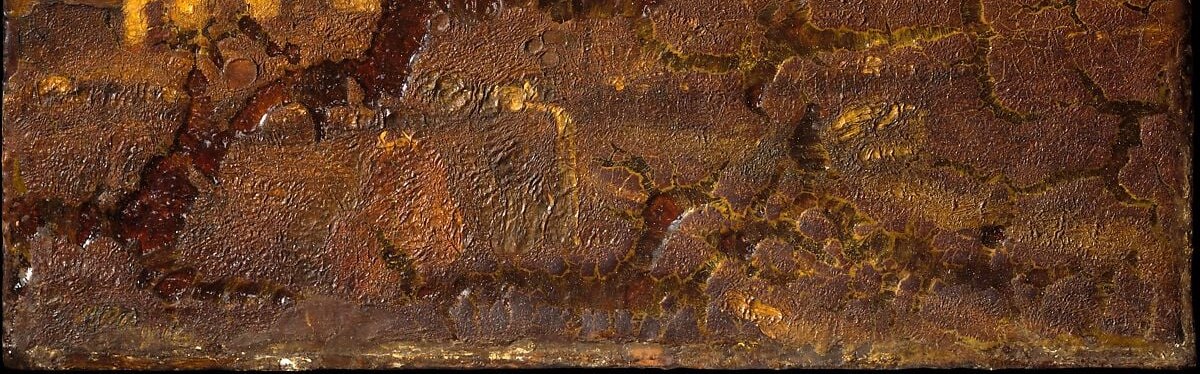
In this oil on wood landscape, a solitary rider on horseback traverses a path as twilight descends. Notice the dramatically swirling, dark sky and the hints of distant village lights. Ryder's distinctive impasto technique creates a textured, almost sculptural surface, especially visible in the layered skies and earthy midground.
Ryder was known for his eccentric personality and solitary life. He moved away from literal representation, prioritizing emotional resonance over topographical accuracy. His method emphasizes the material presence of the paint itself, building a dreamlike, heavy mood rather than narrative detail.
The ambiguous scene allows us to consider whether it depicts a specific place or an internal vision. What feelings does this journey evoke in you?
Details
Transcript
This painter was an eccentric, a solitary man. He sought quiet, and painted the world as he felt it. Here, a single rider journeys through the closing night. The sky is thick, almost sculptural in its paint. Ryder applied paint in dense, layered impasto, like sculpted earth. He prioritized mood, creating an introspective vision.