West Lake by Ike no Taiga
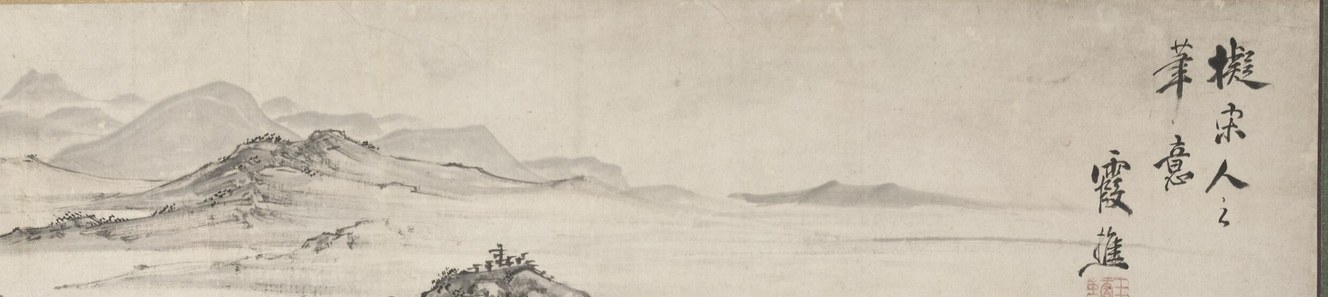
Ike no Taiga's "West Lake," painted in Japan in 1758, is a serene landscape that quietly evokes human presence through subtle details. A prime example of the bunjinga (or nanga) genre, it beautifully combines classical Chinese artistic traditions with a distinct Japanese sensibility.
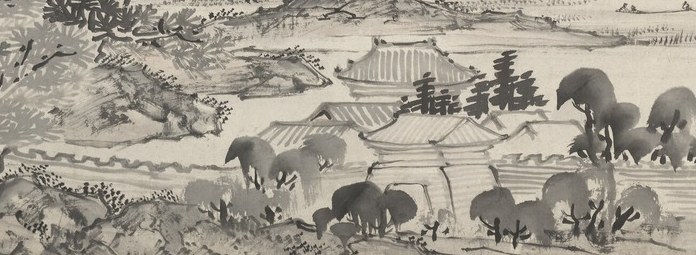
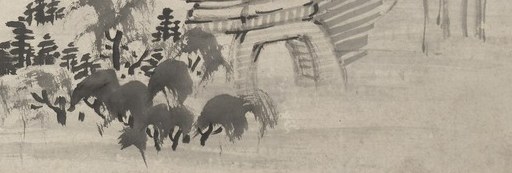
Look for the tiny village houses nestled among the trees and the even smaller grazing animals. These elements, though not central figures, suggest a peaceful, pastoral existence within the grand natural setting, inviting contemplation.
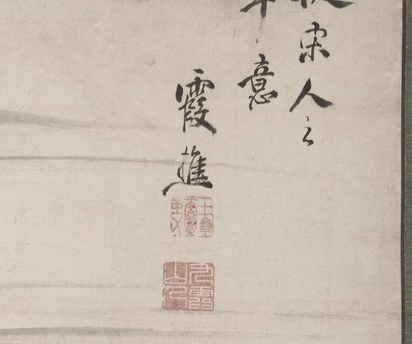
Ike no Taiga was a celebrated painter and calligrapher during Japan's Edo period. His innovative approach, integrating traditional and modern techniques, helped define the bunjinga style, which prioritized personal expression and a deep connection to nature. This painting is part of the collection at The Cleveland Museum of Art.
What feeling does this blend of sweeping landscape and delicate human touches evoke for you?
Details
Transcript
This painting, West Lake, was created in Japan in 1758. It is a masterpiece of bunjinga, or literati painting. This style blended classical Chinese art with Japanese sensibilities. Look closely for the small village houses among the trees. Even smaller, grazing animals hint at a peaceful human presence. The artist, Ike no Taiga, was a master calligrapher, too. His work helped define this blend of nature and human spirit.