Portrait of a Lady by Luini, Bernardino
Bernardino Luini's "Portrait of a Lady," painted around 1522, seems like a picture of quiet elegance. But a hidden detail in the woman's hands gives the painting a deeper layer of meaning.
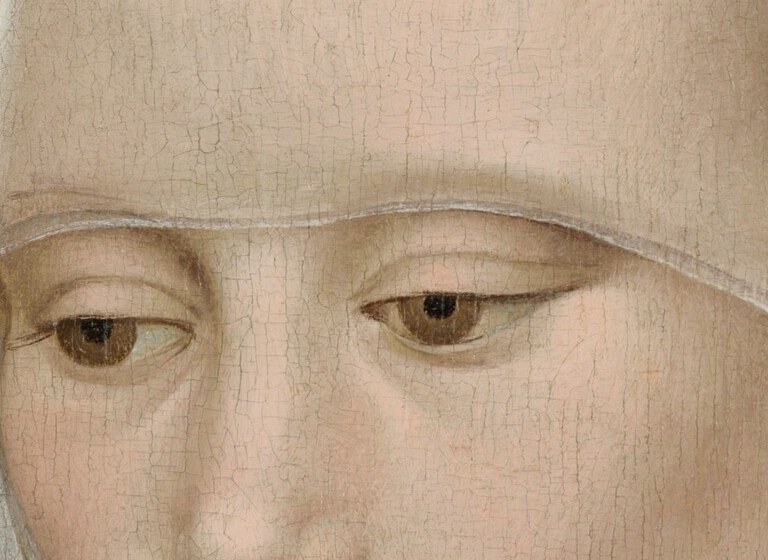
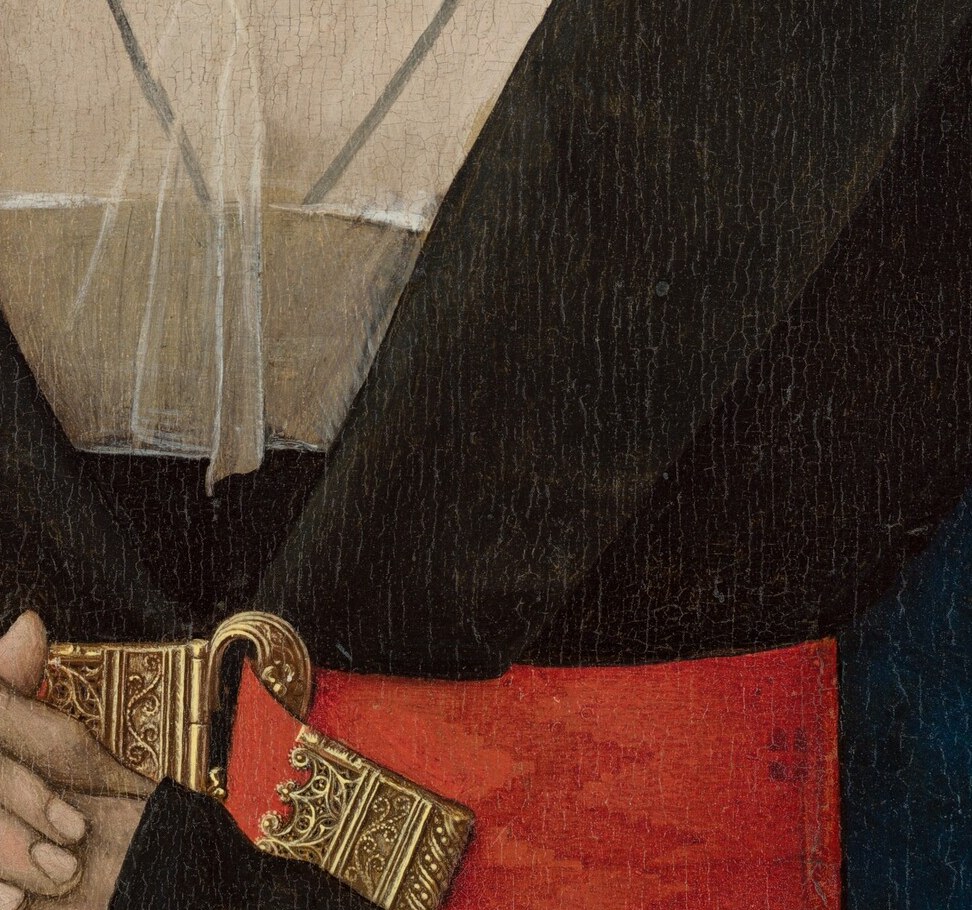
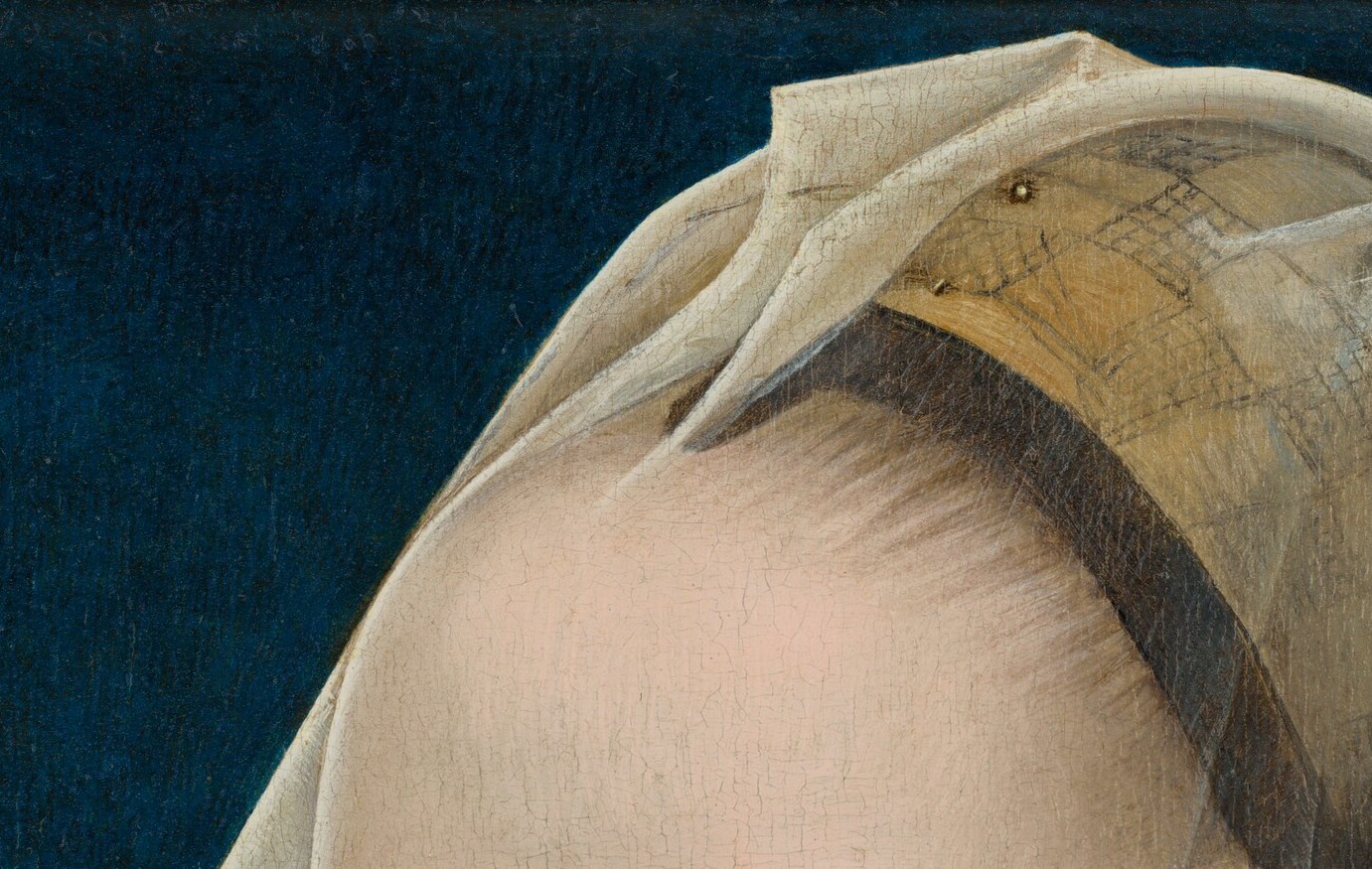
Observe her composed expression and the subtle, almost imperceptible smile on her lips, reminiscent of Leonardo's influence on Luini. The meticulous detail in her golden hairnet and rich attire speaks to her status.
Yet, it's the small, reddish-brown animal she gently cradles in her hands that transforms the portrait. Depending on whether it's interpreted as a squirrel (symbolizing domestic virtue and thrift) or an ermine (representing purity), the artwork becomes a moral emblem, offering a glimpse into the values of the early 16th century.
This painting, housed in a distinguished collection, invites us to look beyond the surface and consider the unspoken narratives that artists weave into their work. What do you think the animal signifies?
Details


Transcript
This quiet portrait by Luini seems serene, at first. Look closely at her composed face. She offers a faint, Mona Lisa-like smile. But now, shift your eyes to her hands. She cradles a small, reddish-brown animal. This hidden detail changes the entire meaning.