Simon Pease by Feke, Robert
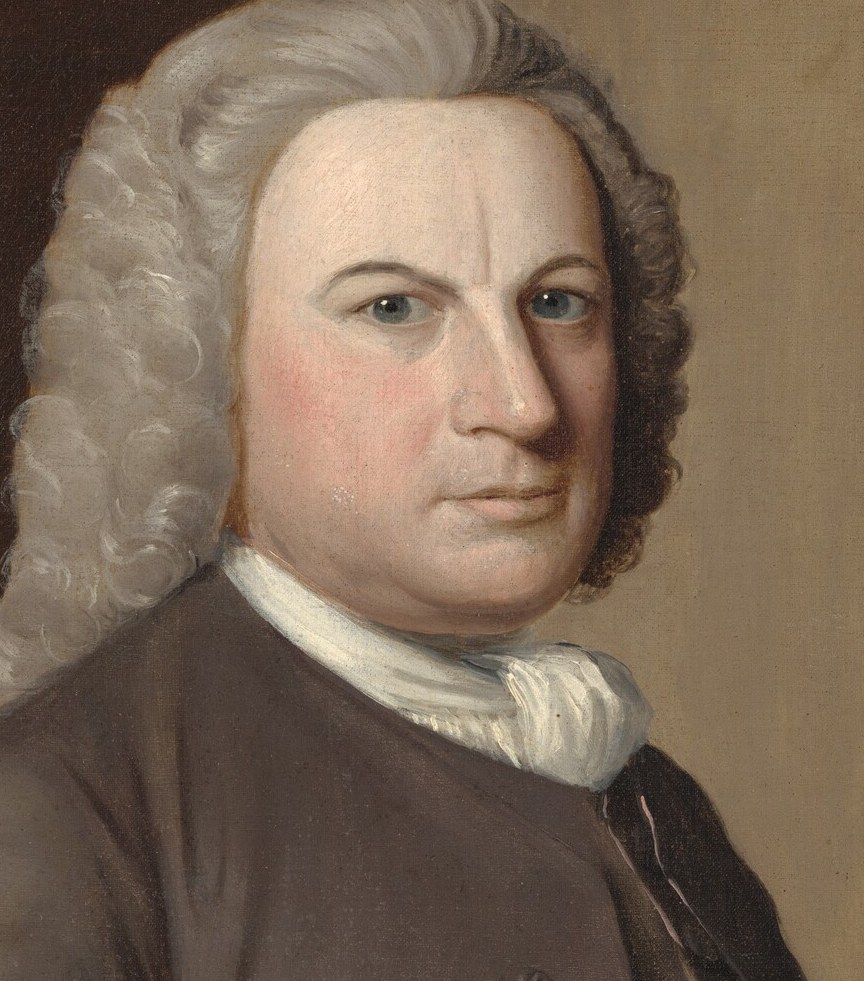
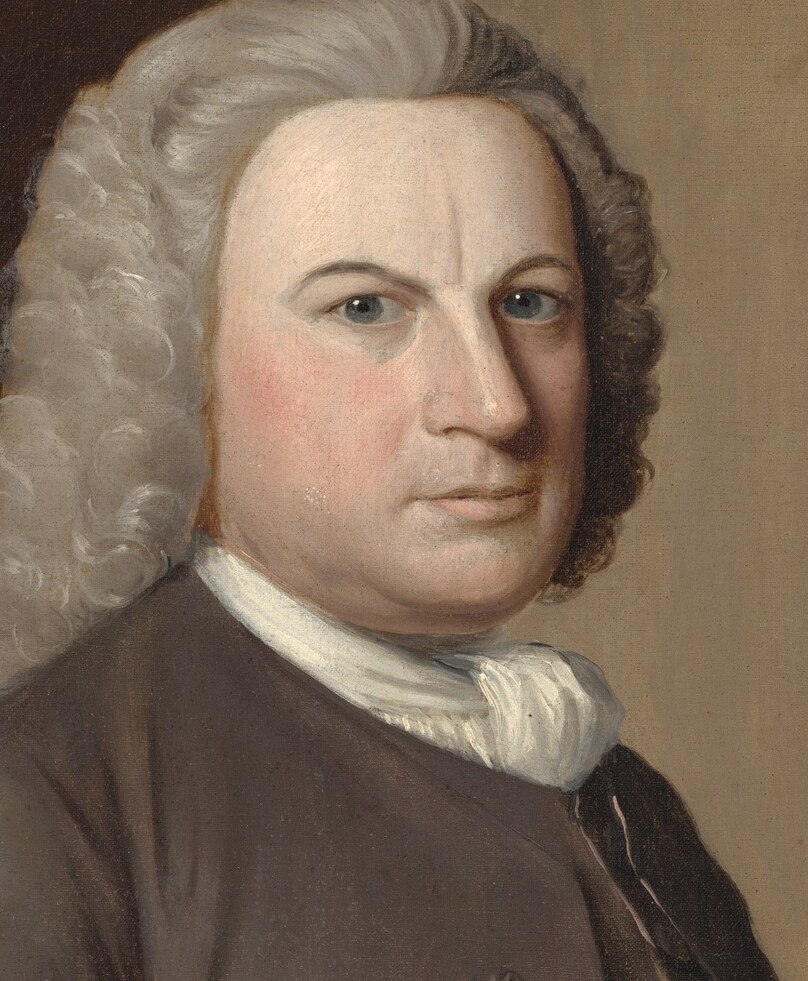
Robert Feke's "Simon Pease," painted around 1749, is more than just a likeness of the Connecticut merchant; it's a carefully constructed image of status and aspiration. This oil-on-canvas portrait, now in a private collection, subtly communicates Pease's position in society.
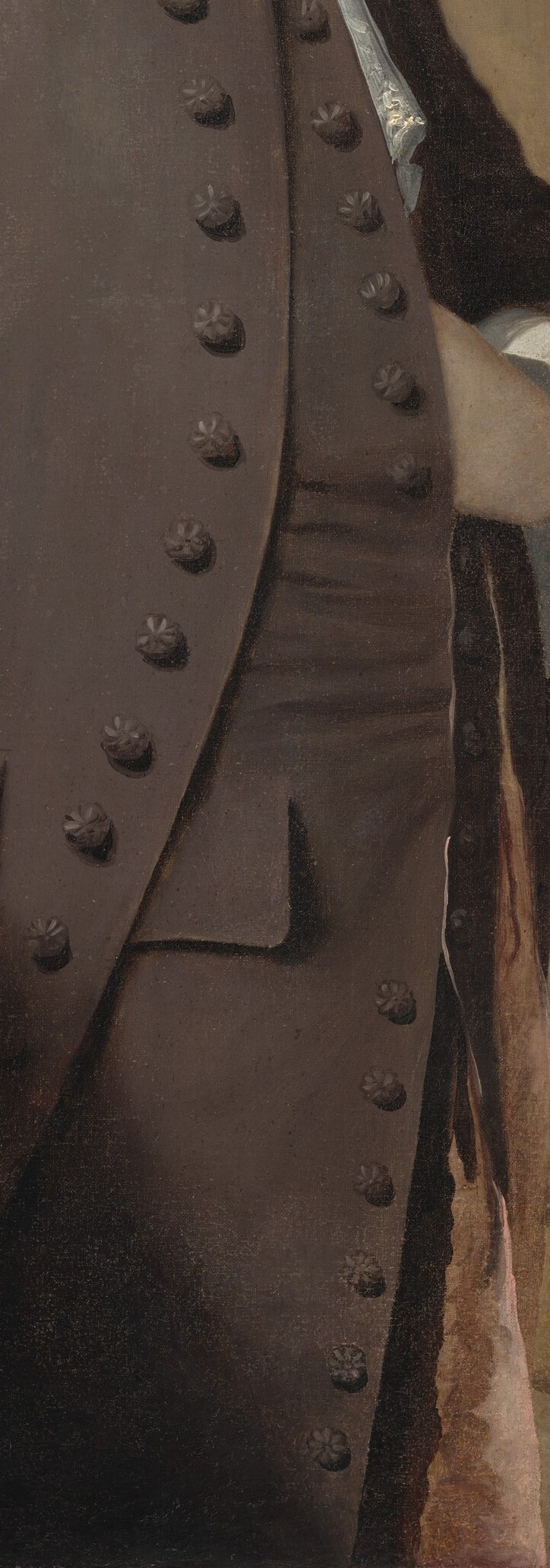
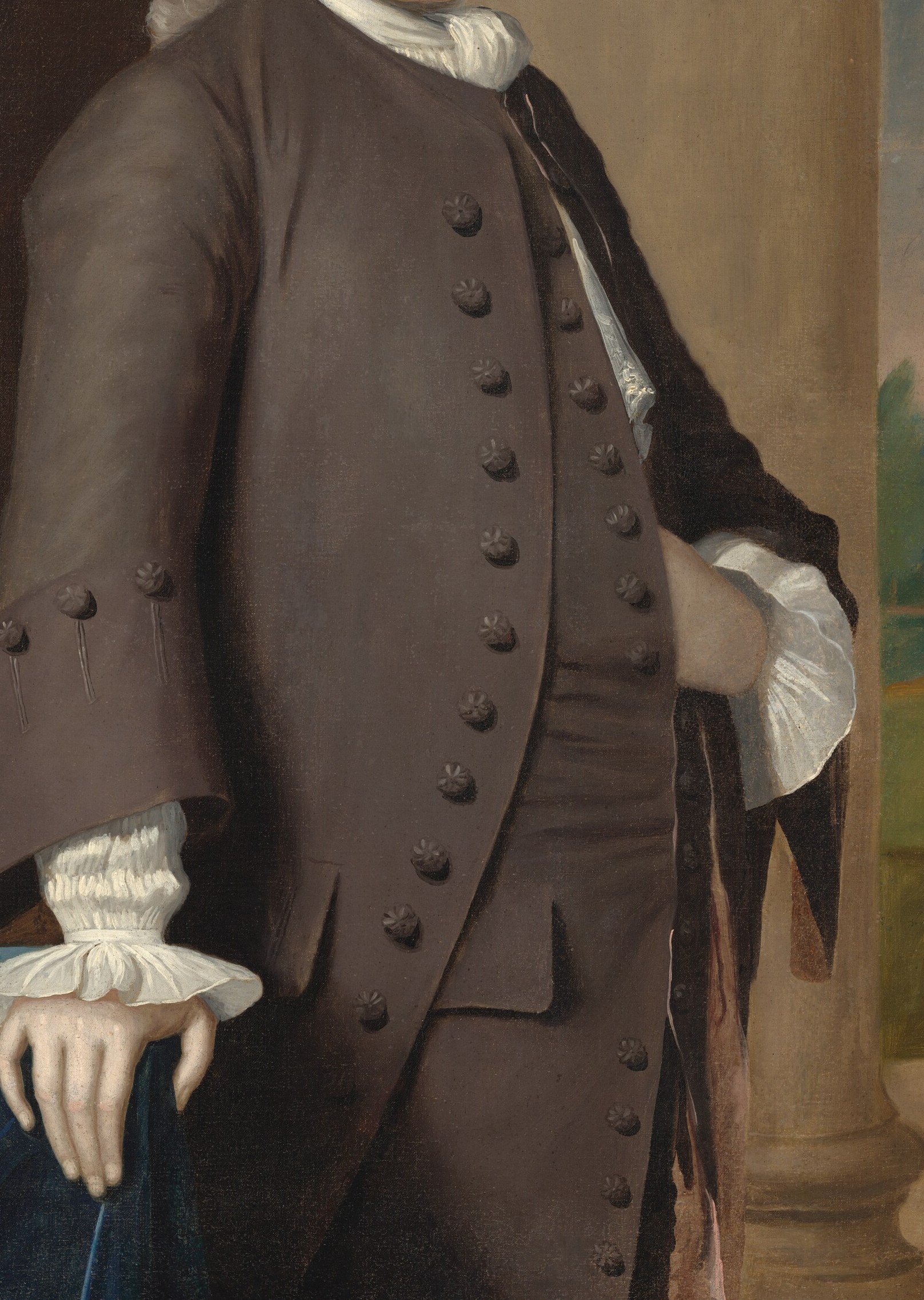
Notice the details: his powdered wig, the crisp white cravat, and the delicate ruffled cuffs. These elements, meticulously rendered by Feke, were fashionable markers of wealth and social standing in the mid-18th century. They highlight the sitter's affluence and the artist's skill in capturing fine textures.
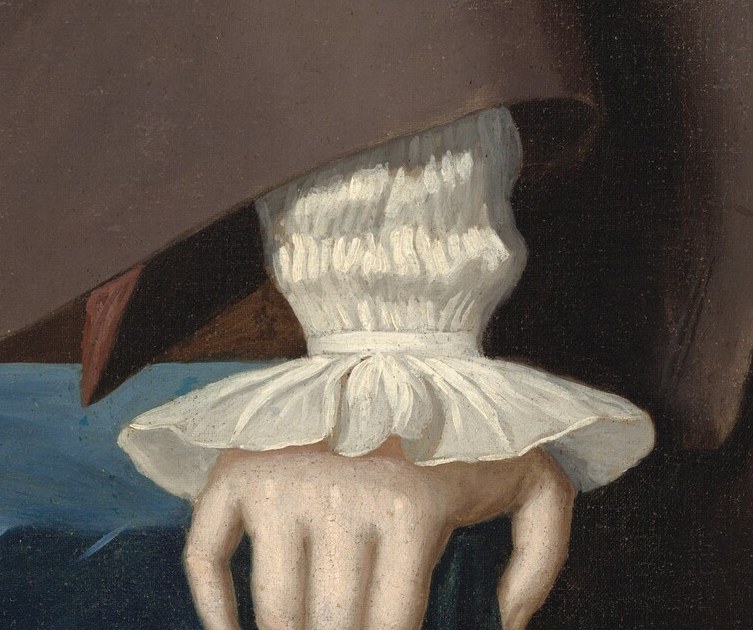
The background elements are equally telling. The classical column base, for example, often symbolized enduring virtue and stability, grounding the figure in a sense of gravitas. The idealized, serene distant landscape offers a glimpse into an imagined world, suggesting Pease's refinement and perhaps his broader aspirations beyond his mercantile pursuits. Feke's ability to blend formal British portraiture conventions with a distinct American directness makes this work a significant example of colonial American art.
What other subtle details do you notice that speak to the sitter's identity or the era?
Details
Transcript
This man is Simon Pease, a merchant, painted around 1749. His meticulous powdered wig shows his social standing. The crisp white cravat and ruffled cuffs also speak of his wealth. Look closely at the column base behind him. Classical columns often symbolized virtue and enduring status. And the idealized landscape suggests his aspirations and refinement. These details were carefully chosen to elevate his image.