Portrait of a Gentleman by Joseph Wright
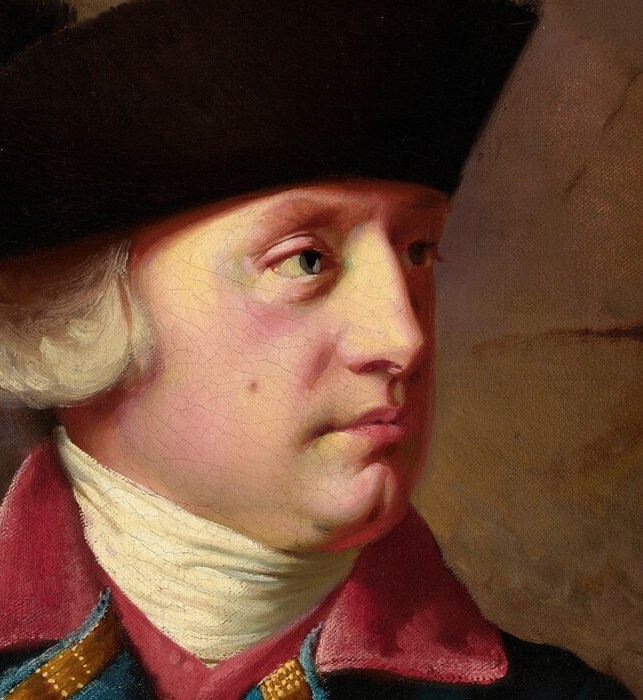
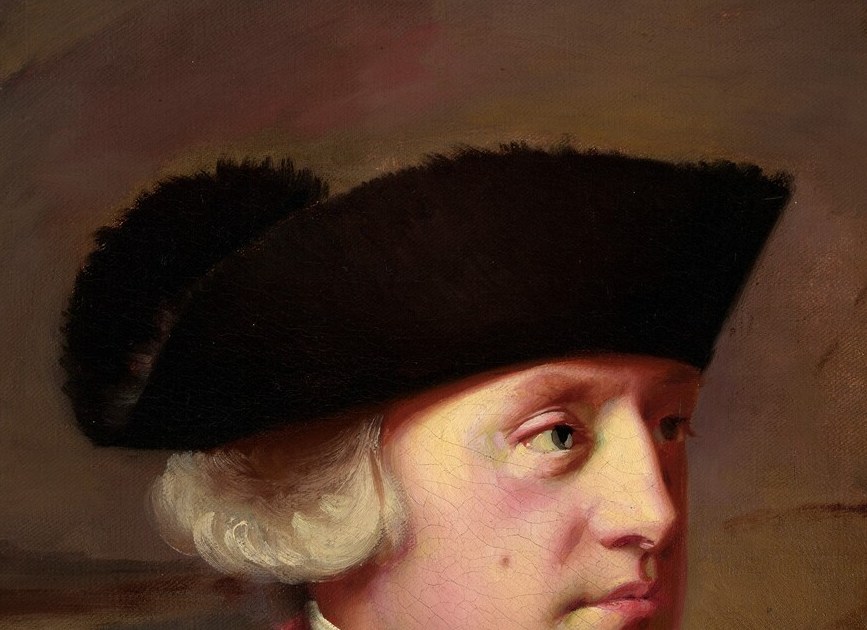
This 'Portrait of a Gentleman' by Joseph Wright, painted around 1770-1773, holds a poignant secret about its unidentified sitter. While seemingly a conventional formal portrait, Wright masterfully concealed a significant detail about the man.
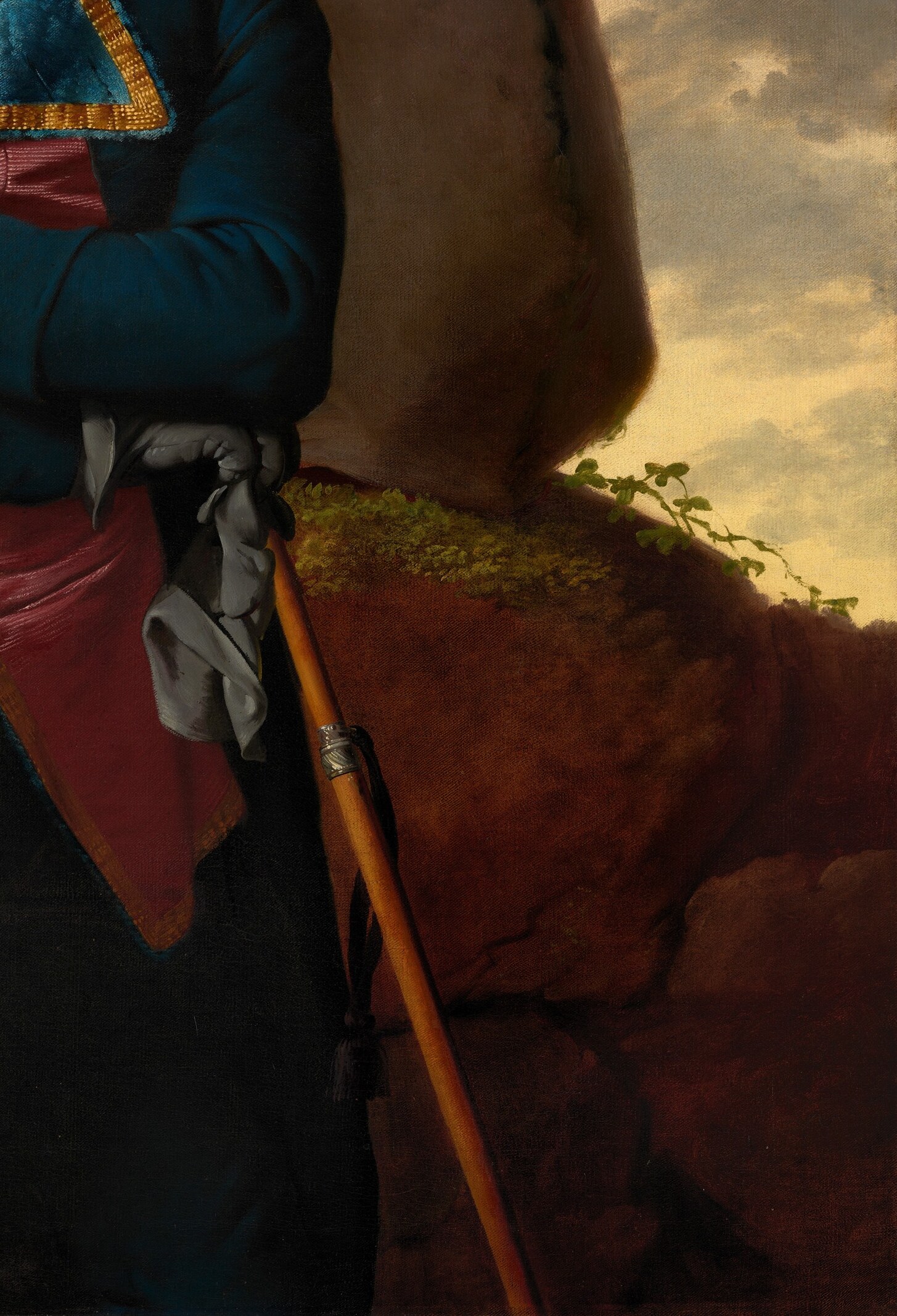
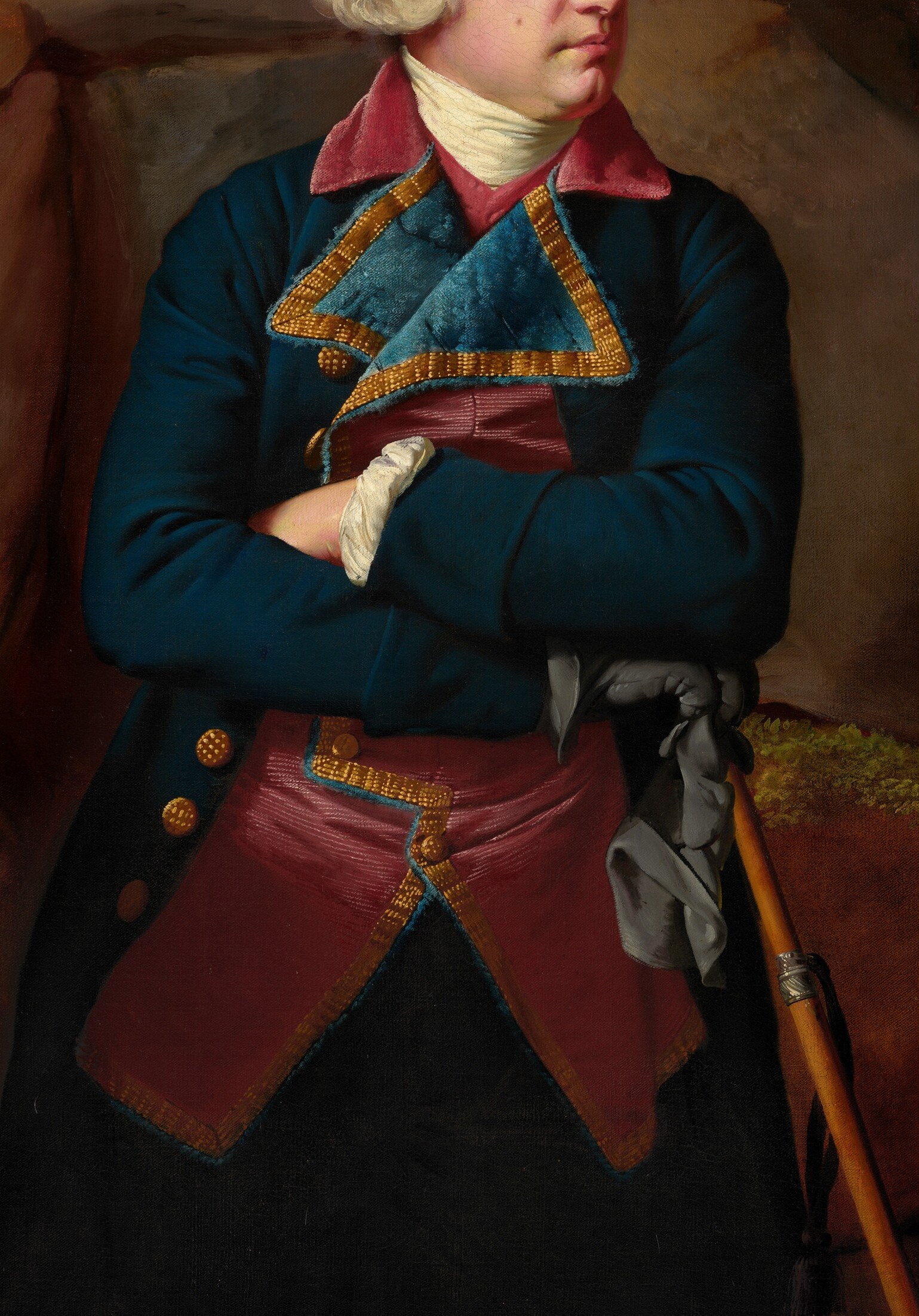
Notice the sitter's composed posture and his hands, folded calmly. This deliberate arrangement was employed to disguise the fact that the gentleman had suffered an amputation, a common challenge for portrait painters of the era who aimed to present their subjects in the best possible light.
Joseph Wright, celebrated for his dramatic use of light and skill in capturing individual likeness, applied his talents to ensure the portrait appeared natural and dignified, despite the physical reality. The painting exemplifies how artists navigated social conventions and personal circumstances through their art.
A quiet testament to both the painter's skill and the sitter's desire for privacy.
Details
Transcript
This man has kept a secret for over 250 years. It's by Joseph Wright, known for dramatic light. But here, everything is understated, even his gaze. Look closely at his hands, folded calmly. This portrait was meant to hide an amputation. The painter worked hard to make it look natural.