Carlos III renuncia a la corona de Nápoles by Michele Foschini
Michele Foschini's 1759 painting, "Carlos III renuncia a la corona de Nápoles," held at the Museo del Prado, captures a significant historical moment with the decorative elegance of the Rococo era.
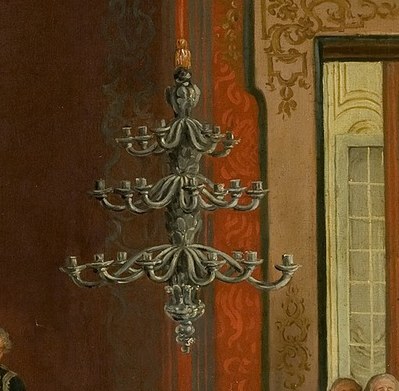
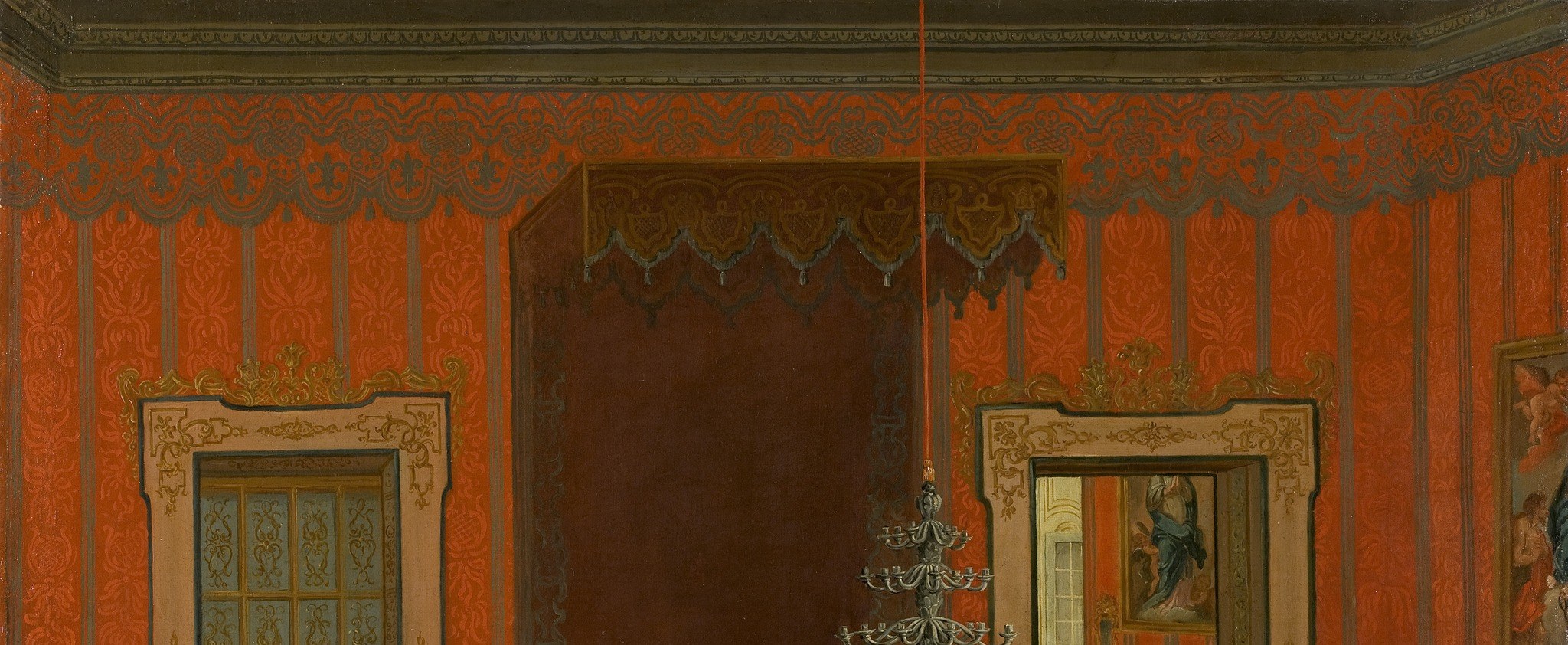
The work depicts King Carlos III of Spain in the act of renouncing the crown of Naples, surrounded by his courtiers. Observe the elaborate attire of the figures and the opulent red walls with gold trim, which emphasize the importance of the event. Even the small dog on the floor, seemingly at ease, adds a touch of domesticity to the formal occasion.
Foschini, an Italian painter known for his late Baroque style and his skill in quadratura (illusionistic fresco painting), meticulously rendered this scene. The painting reflects the mid-18th-century cultural milieu, where such courtly ceremonies were often commemorated in detailed group portraits. This particular abdication was a key moment, as Carlos III ascended to the Spanish throne, a more powerful position.
What details in the painting best convey the gravity of this royal decision?
Details
Transcript
In 1759, this painter captured a pivotal moment in European history. King Carlos III of Spain renounces the crown of Naples. He became King of Spain, a much larger, wealthier kingdom. The documents on the table seal his decision. The painter was known for his quadratura, or illusionistic frescoes. Every detail, from rich robes to ornate walls, speaks of courtly splendor. Even the loyal dog seems to witness this grand event.